Matcha is taking over your local cafe faster than coffee
Gen Z made matcha aesthetic, brands made it accessible, and now supply can't keep up. What happens when a trend grows too fast.
Monday, September 30, 2024/3 min read
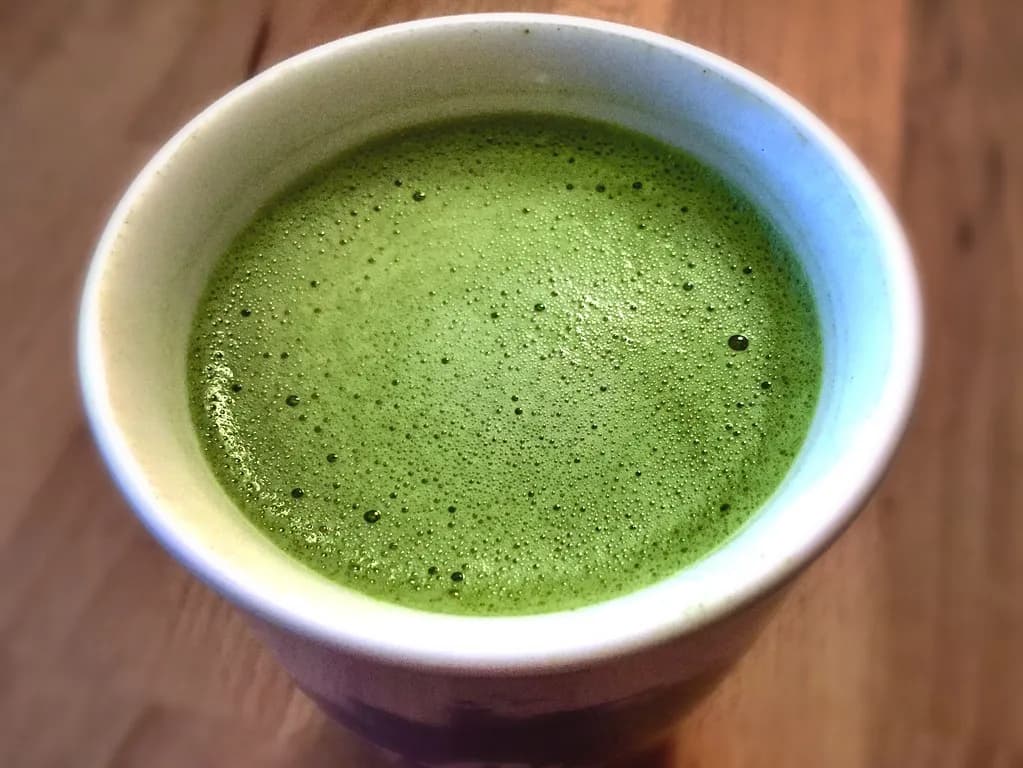
Walk into any coffee shop in any major city and you'll see it: matcha is everywhere. The green tea powder, whisked into lattes and blended into cold drinks, has moved from specialty health stores into mainstream cafes with stunning speed. Starbucks has a matcha line. Dunkin' has matcha. Peet's Coffee, Blank Street, and every independent cafe trying to stay current has added matcha to the menu. The trend is so big that it's creating real supply chain problems. Welcome to the matcha boom, and its impending crisis.
The matcha market has grown from $4.59 billion in 2024 to $4.92 billion in 2025, with projections reaching $6.96 billion by 2030. That's compound annual growth of 7.15 percent, which sounds moderate on paper but represents a fundamental shift in how people think about their daily caffeine intake. Coffee has dominated the cafe world for decades. Matcha is genuinely disrupting that.
TikTok and Instagram made it possible
None of this happens without social media. According to the Global Coffee Report, matcha's moment with younger generations is driven by social media discovery. A matcha latte is photogenic. The vibrant green color, the foam on top, the aesthetic of the whisking process itself (where creators sometimes film the matcha being prepared) makes it natural content for Instagram and TikTok. Gen Z consumers are likely to discover products through social media, and matcha's visual appeal made it inevitable.
Social conversations about matcha surged 107.35 percent year-over-year in 2024. That's not an accident. Brands and influencers have been promoting matcha relentlessly, but the real driver is that people genuinely think it looks cool and sounds healthier than coffee. Perception matters in food trends, and matcha's perception is aspirational.
The mainstream rush
The numbers show how fast this accelerated. Coffee Intelligence reported that matcha menu items grew 30.22 percent year-over-year, while operator menu share rose 6.9 percent in the same period. That means cafes aren't just adding matcha as a niche option. They're making it a central part of their beverage strategy. Starbucks, which reaches millions of people daily, didn't launch its matcha innovation until matcha was already proven to drive sales elsewhere. Now they're all-in.
The interesting part is that matcha isn't replacing coffee. Both are growing. According to MenuTiger's analysis of 2026 coffee shop trends, the cafe industry is expanding its beverage portfolio. Coffee is the foundation, but specialty drinks like matcha are becoming the profit drivers. A matcha latte costs more than coffee and requires less overhead to produce, making it attractive to operators.
The supply crisis is coming
Here's the problem: the entire world's premium matcha comes from Japan, and Japan's production is hitting capacity. Environmental factors, including drought and irregular temperatures, have caused matcha yields to drop significantly. One California coffee company reported being on track to sell four times as much matcha in 2025 as it did in 2022. The gap between supply and demand is growing, and it's not growing in a good way.
Cafe operators are starting to face higher matcha costs. Some are quietly raising prices on matcha drinks. Others are experimenting with matcha from non-traditional regions, which changes the flavor profile and quality. This is the moment where a trend either consolidates into something sustainable or collapses under its own weight.
Beyond the drink
The matcha trend is also reshaping cafe design and brand identity. According to Living Etc's design analysis, matcha-inspired cafes are becoming their own aesthetic category. They're using the color green, natural wood, and minimalist Zen design language. It's not just about selling matcha drinks. It's about creating an entire experience around the product.
The trend is also forcing conversations about sustainability and supply chain transparency. Where does your matcha come from? How is it grown? Is it fair trade? These questions, once niche, are becoming mainstream as demand grows. Conscientious cafe owners are starting to care about these details, not because they're required to, but because their customers are asking.
Matcha's takeover of cafe culture is a perfect example of how a product can become mainstream almost overnight if it hits the right combination of aesthetics, perceived health benefits, social media amplification, and brand support. The next phase is less predictable. Can matcha supply keep up with demand? Will the trend mature into something stable, or will it collapse under supply constraints? The answers will shape cafe culture for years to come.
Published in The Outspoken Digest
Editorial desk
Outspoken Digest Culture DeskReports for The Outspoken Digest across Lifestyle, Design, Fashion, Latest Trends.
Newsletter
The Digest, in your inbox
One edition, sent when it is ready. No noise, and your address is never passed on.
Read Next
More Latest Trends →
Navi Pillay, the South African Jurist Who Led the UN Gaza Inquiry, Wins the 2026 Nobel Peace Prize
Oct 9, 2026/3 min read

Trump Says the US Will Not Attack Iran Before the Midterms, While Tanker Attacks Cut Hormuz Traffic to a Two-Month Low
Oct 9, 2026/3 min read
Russian Strikes Killed 22 in Pryluky and at Least 30 on Two Buses in Kramatorsk Within Two Days
Oct 9, 2026/2 min read
A Year After the Gaza Ceasefire, More Than 100 Aid and Rights Groups Say It Exists in Name Only
Oct 9, 2026/2 min read