Why There's Suddenly Not Enough Matcha to Go Around
A global cafe boom collided with a limited Japanese harvest, and now matcha lattes are getting rationed, waitlisted, and quietly more expensive.
Wednesday, October 8, 2025/4 min read
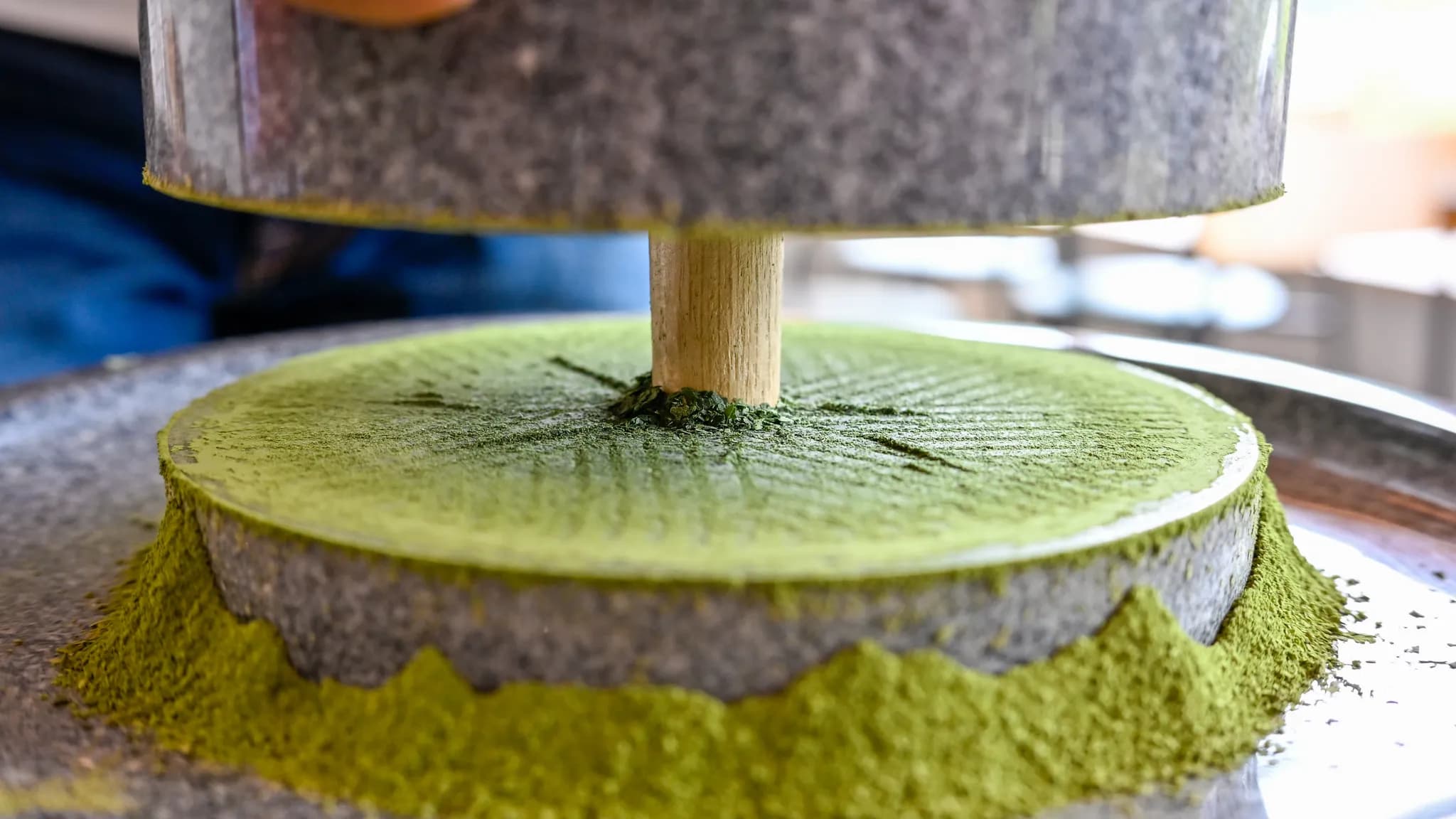
Ask a cafe owner in 2025 what keeps them up at night and, increasingly, the answer isn't rent or staffing. It's a tin of green powder they can't reliably order anymore.
Matcha, the stone-ground green tea that's been a staple of Japanese tea ceremony for centuries, has spent the last several years becoming a global cafe menu fixture, lattes, soft serve, baked goods, energy drinks. That popularity has now collided with a hard ceiling on how much of it can actually be produced, and the result is a shortage that's reshaping how the drink gets priced and sold.
What is causing the matcha shortage?
The immediate cause is tencha, the specific shade-grown tea leaf that gets stone-milled into matcha. Adverse weather in Japan, combined with labor shortages affecting processing in China, has constrained supply just as demand has surged past what existing farms can deliver, according to Forbes. Global matcha production roughly tripled between 2010 and 2023, but even that expansion hasn't kept pace with the latest wave of demand.
Tencha production is also slow and specialized by nature. The plants need to be shaded for weeks before harvest to concentrate chlorophyll and amino acids, then hand-picked and stone-ground in small batches, a process that resists the kind of rapid scaling other crops can manage. You can't simply plant more tencha and expect a shortage to disappear within a season.
How much have matcha prices gone up?
The numbers are stark. The highest-grade 2025 crop of Japanese matcha saw a 75 percent price increase, with lower grades expected to climb 30 to 50 percent, according to reporting on the crisis. US importers are also contending with tariffs of 37.5 percent on Chinese matcha and 15 percent on Japanese matcha, compounding the cost pressure on cafes already paying more for less reliable supply.
Why is matcha demand suddenly so high?
Several forces converged at once. Social media turned matcha into a visual signature drink, the pale jade color photographs well against white ceramic and marble counters. A broader wellness movement finally embraced matcha's naturally bitter, vegetal flavor as a daily staple rather than a niche health food. And the latte boom generally, oat milk, specialty espresso, elaborate menu builds, gave matcha an easy lane into mainstream cafe culture, according to Fresh Cup.
One tea supplier told reporters that wholesale matcha sales jumped 100 percent in a single year as of late 2024, a growth rate that would strain almost any specialty agricultural supply chain, let alone one built around a slow, hand-intensive harvest.
How are cafes coping with the shortage?
Rationing has become common. Some independent cafes have capped how much matcha customers can order per visit, or switched to lower grades for lattes while reserving ceremonial grade for smaller specialty pours. Others have put customers on waitlists tied directly to the next harvest cycle, with some reportedly told they won't see their preferred farm's matcha again until the 2026 spring tencha harvest comes in, according to Perfect Daily Grind.
Will the matcha shortage get better or worse?
Most signs point to the squeeze deepening before it eases. Because tencha needs a full growing season and the specialized shading process, supply can't simply catch up mid-year no matter how much money cafes are willing to spend. The next real test comes with the 2026 harvest, which will determine how much relief, if any, arrives for an industry that built an enormous amount of menu real estate around a tea leaf nobody expected to run short.
Until then, expect matcha to keep behaving less like a reliable menu staple and more like a seasonal, allocation-based ingredient, with cafes that secured supply contracts early holding a real advantage over those still shopping the open market.
What's the difference between ceremonial and culinary grade matcha?
The shortage has made this distinction matter to ordinary consumers in a way it rarely did before. Ceremonial grade matcha comes from the youngest, most tender tea leaves, stone-ground for a smoother, less bitter flavor meant to be whisked with water alone, traditionally for tea ceremony. Culinary grade comes from slightly older leaves, carries a more robust, bitter edge, and is generally intended for lattes, baking, and other applications where milk, sugar, or other ingredients balance out the flavor. As supply has tightened, more cafes have shifted toward culinary grade for everyday lattes, reserving what little ceremonial grade they can source for smaller, premium pours.
Are there alternatives to matcha while the shortage continues?
Some cafes have experimented with other powdered greens, moringa, spirulina blends, or hojicha, a roasted green tea with a nuttier, less grassy flavor profile, as stand-ins on drink menus during the tightest stretches of the shortage. None replicate matcha's specific flavor or its now-famous jade color exactly, but they've offered a way for some businesses to keep a similar drink category on the menu without depending entirely on an ingredient that's become this unpredictable to source.
Published in The Outspoken Digest
Editorial desk
Outspoken Digest Food DeskCooking, ingredients, restaurants and the economics of what ends up on the table.
Newsletter
The Digest, in your inbox
One edition, sent when it is ready. No noise, and your address is never passed on.
Read Next
More Latest Trends →
Navi Pillay, the South African Jurist Who Led the UN Gaza Inquiry, Wins the 2026 Nobel Peace Prize
Oct 9, 2026/3 min read

Trump Says the US Will Not Attack Iran Before the Midterms, While Tanker Attacks Cut Hormuz Traffic to a Two-Month Low
Oct 9, 2026/3 min read

Russian Strikes Killed 22 in Pryluky and at Least 30 on Two Buses in Kramatorsk Within Two Days
Oct 9, 2026/2 min read
A Year After the Gaza Ceasefire, More Than 100 Aid and Rights Groups Say It Exists in Name Only
Oct 9, 2026/2 min read