Middle East Flight Disruption Makes Flexible Tickets the New Travel Essential
Cancellations and rerouting across regional airspace are turning live airline checks, longer connection buffers and flexible bookings into essential trip planning.
Friday, July 24, 2026/2 min read
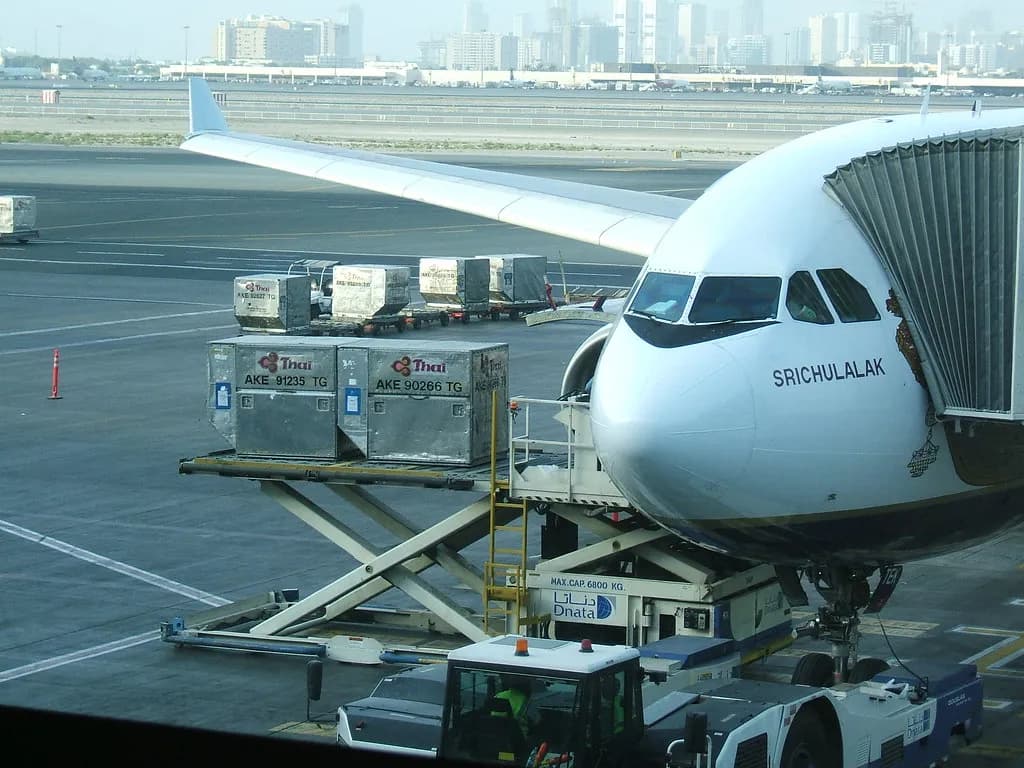
Travel through the Middle East is operating under a familiar but intensified condition: a flight can remain on the timetable while the route, duration or connection risk changes quickly. Passengers need to treat airline alerts as live operational information rather than a final promise made at booking.
This article was prepared for the July 24 edition using current reporting and official background material. Current Emirates travel updates provides the immediate frame, while Current Etihad travel updates supplies the institutional context needed to interpret it.
What changed
Carriers may cancel, consolidate or reroute services when airspace restrictions and security assessments change. A longer path adds fuel use and crew-time pressure, which can ripple into later departures. The first flight may operate while a tight onward connection becomes unrealistic.
The distinction between an announcement and a durable change matters. Headlines describe the new development; evidence over the next several weeks will show how widely it is used, how institutions respond and which early assumptions survive contact with operations.
Why the story matters now
Dubai, Abu Dhabi and Doha are global connecting hubs, so disruption does not remain regional. It affects journeys between Europe, Asia, Africa and Australasia. The network model is efficient in normal conditions but can transmit delays across continents when aircraft and crews arrive out of sequence.
IATA passenger travel guidance offers an additional reference point. Read together, the sources show why this story is not isolated: it connects policy, infrastructure, public confidence and the incentives of organizations expected to act.
What readers and organizations should do
Travelers should book connections on one ticket where possible, keep medication and essentials in hand luggage, and allow more time than the minimum legal connection. They should also save airline contact details and verify whether insurance covers cancellation, missed connections and a voluntary decision not to travel.
- Check the date and scope of official notices before acting.
- Separate verified operational facts from forecasts and promotional claims.
- Keep a practical alternative when transport, health, finance or technology decisions are time-sensitive.
- Revisit the situation as new evidence becomes available.
What to watch next
The key signal is not a single cancellation list but the consistency of operations over several days. Travelers should check the operating carrier, departure airport and destination restrictions directly. Screenshots of old schedules and third-party alerts can age within hours.
The useful response is neither complacency nor alarm. It is to identify what has genuinely changed, who bears the risk and which indicators can confirm whether the first-day narrative was accurate. That is the standard Outspoken Digest will use as the story develops.
Published in The Outspoken Digest
Editorial desk
Outspoken Digest Travel DeskDestinations, airlines, borders and the practicalities of getting there.
Newsletter
The Digest, in your inbox
One edition, sent when it is ready. No noise, and your address is never passed on.
Read Next
More Travel →

Hurricane Simon Closes Puerto Vallarta's Airport and Sends Tourists to Shelters as a Category 4 Storm Nears Mexico
Oct 10, 2026/2 min read

Hurricane Isaias Closes Gulf Coast Airports and Clears Alabama's Beaches as Airlines Waive Change Fees
Oct 8, 2026/3 min read