Modest fashion's global moment and the GCC's role in it
Once niche, modest fashion is now a USD 295 billion market, and the GCC's influence is reshaping global style. Major luxury brands are paying attention.
Tuesday, July 30, 2024/3 min read
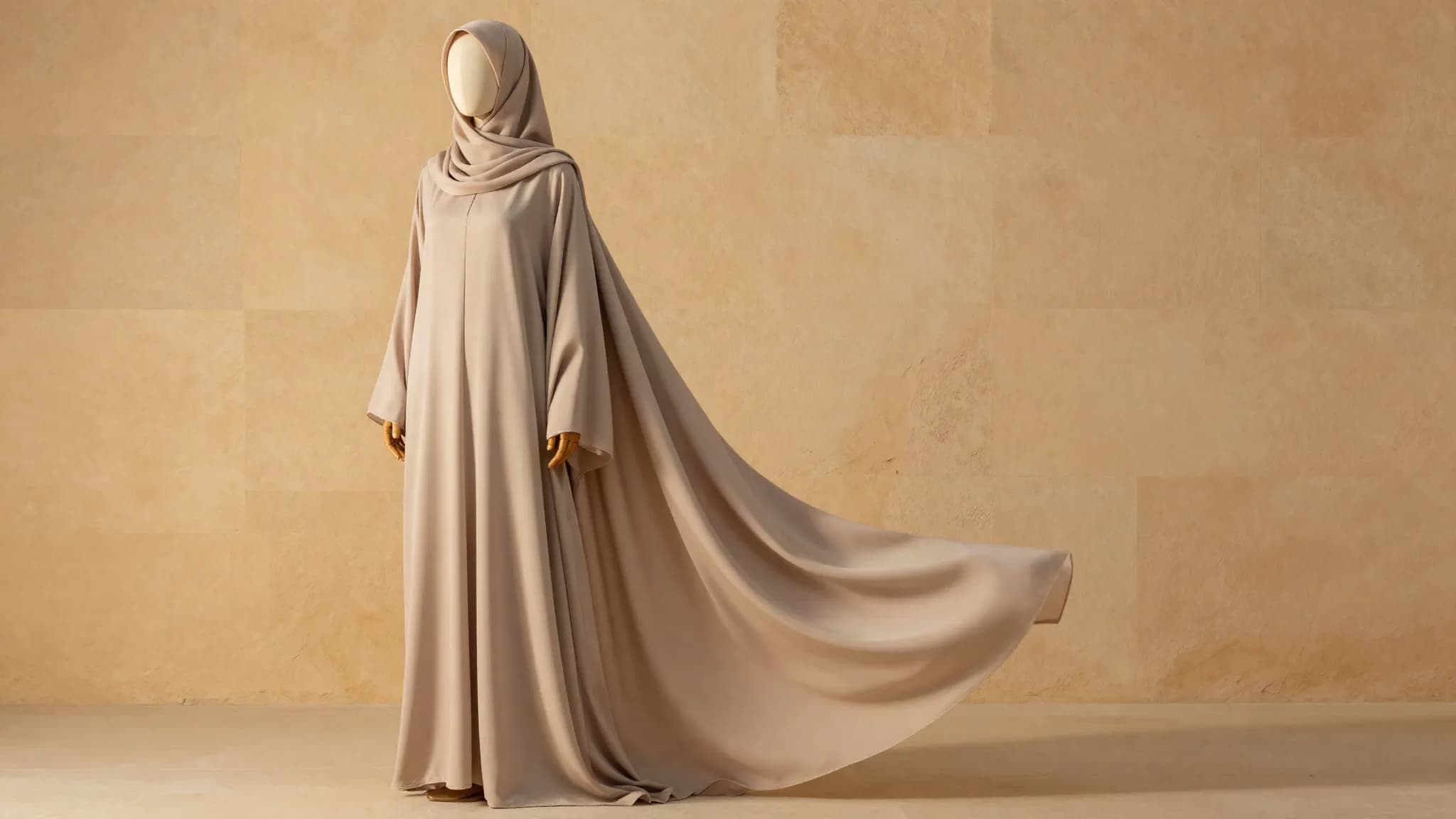
In the space of a decade, modest fashion went from a underserved niche to a multi-billion-dollar market reshaping how luxury houses think about their collections. The shift is dramatic not just in scale but in where the power sits: the Gulf Cooperation Council (GCC) region, long dismissed by mainstream fashion media, is now a cultural epicenter driving global trends.
The numbers tell the story. The global modest fashion market was valued at USD 295 billion in 2023 and is projected to reach USD 402 billion by 2025, according to Halal Times market analysis. The Islamic apparel market alone is projected to grow from USD 84.98 billion in 2024 to USD 140.59 billion by 2033 at a compound annual growth rate of 5.9%. But the headline figure obscures something more important: this isn't just a Middle Eastern phenomenon anymore.
Modest fashion has cracked the Western mainstream. Research shows that 35 percent of modest fashion buyers in the US and Europe identify as non-Muslim, driven by millennials and Gen Z consumers seeking coverage for its own sake: comfort, sophistication, and a visual alternative to fast-fashion's skin-baring defaults.
The GCC's unexpected fashion dominance
The Gulf states have always had purchasing power, but they're now shaping aesthetic direction. The Middle East and Africa Fashion Market Report positions the GCC as the aesthetic engine of a broader regional shift, with the apparel market growing at 8.5 percent CAGR. Saudi Arabia, UAE, and Kuwait are no longer just buying luxury; they're dictating it through demand patterns and cultural preferences that filter back to European design houses.
This influence works both ways. Fashion editors visiting Dubai and Riyadh aren't reporting on street style as novelty anymore; they're covering it as trend direction. The visual language of modest fashion (sophisticated draping, architectural silhouettes, luxury fabrics, strategic layering) is becoming coded as elevated and desirable.
Major luxury enters the market
The turning point came when major luxury houses stopped treating modest fashion as a regional special and started building it into their core collections. Dolce & Gabbana launched an entire modest collection in 2016 and has continued expanding it. Oscar de la Renta introduced long gowns and covered silhouettes. Brunello Cucinelli began building layered pieces designed for coverage. These aren't sub-brands or afterthoughts; they're integrated into mainline offerings.
Boutique designers specializing in modest wear are also getting traction. Brands like Aab, Inayah, and Modanisa have moved from online-only to partnerships with major retailers. What started as digital-first has become physically present in luxury department stores from London to New York.
Indonesia leads, but the narrative is global
Indonesia represents the largest consumer base by spending volume, with approximately USD 20 billion in annual modest fashion spending. But the growth is occurring across markets: Turkey, Malaysia, Brunei, and increasingly in Western urban centers where modesty is being reclaimed as a style choice rather than a religious obligation.
The language around modest fashion has shifted too. Five years ago, "modest" felt defensive, like a compromise. Now it's positioned as a style statement: more sophisticated, less obvious, requiring actual design work rather than just minimal fabric. This reframing matters because it attracted consumers who wouldn't previously have engaged with the category.
What modest fashion actually looks like in 2024
The aesthetic is layered, intentional, and visually complex. Long silhouettes (ankles covered), high necklines, and structured shoulders are the baseline. But the execution is where the design happens: dramatic sleeves, interesting hemlines, tonal layering that creates depth, strategic use of sheer fabrics that provide coverage while adding visual interest. Maxi skirts have evolved from practical necessity to high-fashion statement, often paired with cropped tops that would read as risque in other contexts but feel balanced within the modest framework.
Color is no longer constrained to neutrals. Jewel tones, patterns, and bold prints are all part of modest fashion now. It's as much about luxury minimalism (expensive fabrics, perfect tailoring) as it is about cultural preference.
Why this matters beyond fashion
Modest fashion's rise represents a broader cultural assertion: that style preferences rooted in cultural and religious values aren't limitations but design directives. When global luxury houses integrate modest silhouettes into their collections, they're acknowledging that the global majority doesn't dress for Western fashion media. The GCC's influence in driving this shift is significant because it represents one of the world's highest-spending consumer bases refusing to accept being designed for as afterthought.
By 2026, expect modest fashion to be even more integrated into mainstream luxury. The category isn't niche anymore; it's simply fashion, and the aesthetic preferences emerging from the Gulf are becoming the global standard.
Published in The Outspoken Digest
Editorial desk
Outspoken Digest Style DeskReports for The Outspoken Digest across Fashion, Design, Lifestyle.
Newsletter
The Digest, in your inbox
One edition, sent when it is ready. No noise, and your address is never passed on.
Read Next
More Fashion →
Anthony Vaccarello Is Leaving Saint Laurent After a Decade, and Kering Has Not Yet Named His Successor
Oct 9, 2026/2 min read
Louis Vuitton Closes Paris Fashion Week With Hovering Cars, Paper-Light Dresses and a Louvre Courtyard Cityscape
Oct 7, 2026/2 min read
Celine Dion Made a Surprise Return to the Catwalk to Close L'Oreal's Paris Fashion Week Opening Show
Sep 29, 2026/2 min read
Louise Trotter Doubled Down on Colour and Oversized Bags for Her Latest Bottega Veneta Show in Milan
Sep 27, 2026/2 min read