Moroccan Chicken Tagine with Preserved Lemon and Olives
Braised chicken infused with saffron, cumin, ginger, and the distinctive tang of preserved lemon. Green olives and a rich sauce make this North African classic worthy of the finest occasions.
Friday, June 5, 2026/3 min read
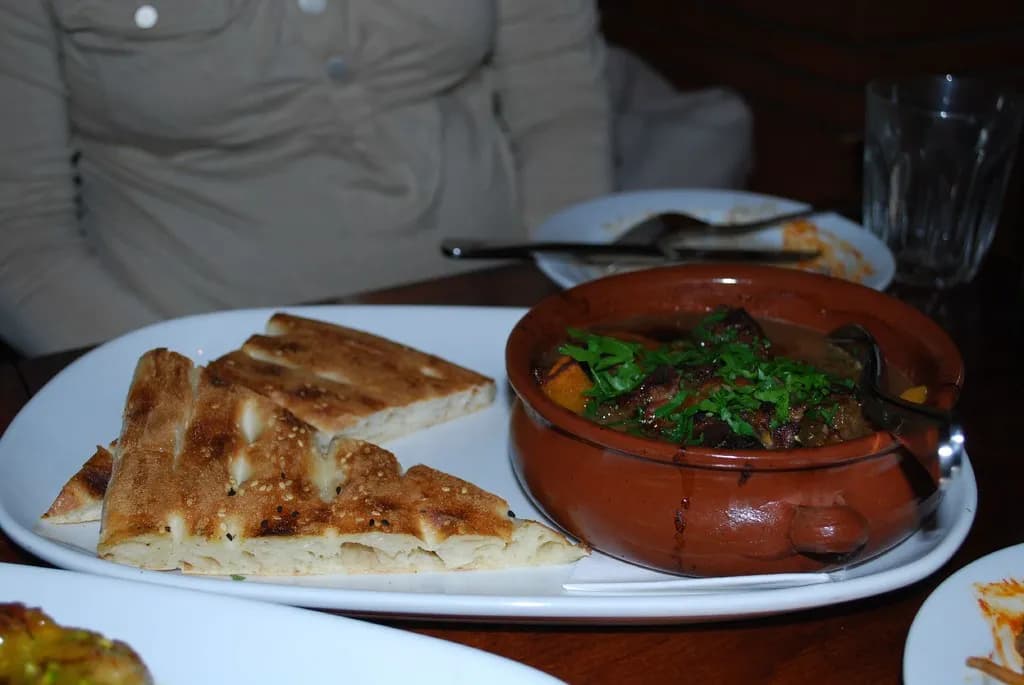
Moroccan tagine cooking is an art form that transforms humble ingredients into something complex and deeply aromatic. The dish is named for the conical clay vessel in which it's traditionally cooked, though any covered pot works equally well. According to Caroline's Cooking, preserved lemon is the secret that makes Moroccan tagine taste like itself rather than generic braised chicken. These lemons, preserved in salt and their own juice, develop a funky, intensely salty-sour note that cannot be replicated with fresh lemon.
Cooking the Globe details the spice blend that defines Moroccan cooking: warm cumin, earthy turmeric, sweet cinnamon, and bright ginger create a flavor profile unlike any other cuisine. Salima's Kitchen emphasizes that boneless, skinless chicken thighs are essential for this dish because they cook quickly, stay juicy, and can take the bold sauce without falling apart. The olives add brininess, the sauce becomes glossy and rich from the chicken fat, and the whole dish tastes like it's been simmering all day even though it's done in 45 minutes.
This is the kind of dish that makes ordinary Wednesday nights feel like celebration, and special occasions taste definitively special.
Ingredients
Serves 4 people. Total time: 50 minutes. Active time: 15 minutes.
- 1 kg boneless, skinless chicken thighs, cut into 4 cm pieces
- 2 large onions, sliced thin
- 4 cloves garlic, minced
- 20 g fresh ginger, peeled and grated
- 60 ml olive oil
- 2 teaspoons ground cumin
- 1 teaspoon turmeric
- 1 teaspoon sweet paprika
- 1/2 teaspoon ground ginger (if not using fresh)
- 1/4 teaspoon ground cinnamon
- 1/4 teaspoon ground cloves
- 600 ml chicken stock
- 4 preserved lemons, quartered (skin discarded or kept), or 2 whole preserved lemons, quartered
- 200 g green olives, pitted if possible
- 40 g fresh cilantro, chopped
- Pinch of saffron strands, steeped in 60 ml warm stock (optional but recommended)
- Salt and black pepper to taste
- Couscous or rice for serving
Method
- Heat olive oil in a large heavy pot or tagine over medium heat. Add sliced onions and cook, stirring occasionally, until soft and golden, about 6 minutes. Add minced garlic and fresh ginger; cook 1 minute more.
- Stir in cumin, turmeric, paprika, ground ginger if using, cinnamon, and cloves. Toast the spices in the oil for 30 seconds until very fragrant.
- Season chicken thighs with salt and pepper. Add them to the pot and stir to coat in the spiced oil. Brown lightly on all sides, about 4 minutes (they don't need to be fully browned).
- Pour in chicken stock and saffron-steeped stock if using. Add preserved lemon quarters and green olives. Stir well to combine. Bring to a boil, then reduce heat to low, cover with a lid or foil, and simmer for 25 to 30 minutes until chicken is tender and cooked through.
- Remove the lid and continue simmering uncovered for another 8 to 10 minutes if you prefer a thicker sauce. Taste and adjust seasoning with salt and pepper.
- Stir in fresh cilantro just before serving. Serve over fluffy couscous or steamed rice, spooning the sauce and olives over everything.
Tips and Storage
Preserved lemons are available in specialty markets and online. If you cannot find them, substitute the zest of 2 fresh lemons for brightness, though the authentic version needs preserved lemons' particular funk. Boneless chicken thighs cook faster than bone-in but both work; if using bone-in, extend cooking time by 10 to 15 minutes. Tagine keeps, refrigerated, for 3 days and freezes beautifully for up to 2 months, making it excellent for meal prep. The flavors deepen after a day or two of resting, so leftovers often taste better than the first serving.
Moroccan tagine represents centuries of trading, traveling, and cultural exchange across North Africa. Make it once and you'll understand why Moroccan cooks have guarded these recipes so carefully. It's not just dinner, it's a taste of history and warmth, all in one pot.
Published in The Outspoken Digest
Editorial desk
Outspoken Digest Food DeskCooking, ingredients, restaurants and the economics of what ends up on the table.
Newsletter
The Digest, in your inbox
One edition, sent when it is ready. No noise, and your address is never passed on.
Read Next
More Recipes →
Swangy Tamarind Glazed Chicken Wings for the Flavour Replacing Swicy on Fast Food Menus
Sep 29, 2026/3 min read

Baked Apple Cider Doughnuts for a Cider Season That Peaked Earlier Than the Calendar Says
Sep 29, 2026/3 min read
An Obatzda Bavarian Beer Cheese Dip for the Final Stretch of Oktoberfest 2026
Sep 29, 2026/3 min read