Musakhan: Palestinian Sumac Chicken on Bread That Drinks the Oil
Roast chicken over onions cooked in an amount of olive oil that feels wrong until you taste it, with sumac doing the work salt cannot. A dish built around the olive harvest.
Wednesday, July 29, 2026/4 min read
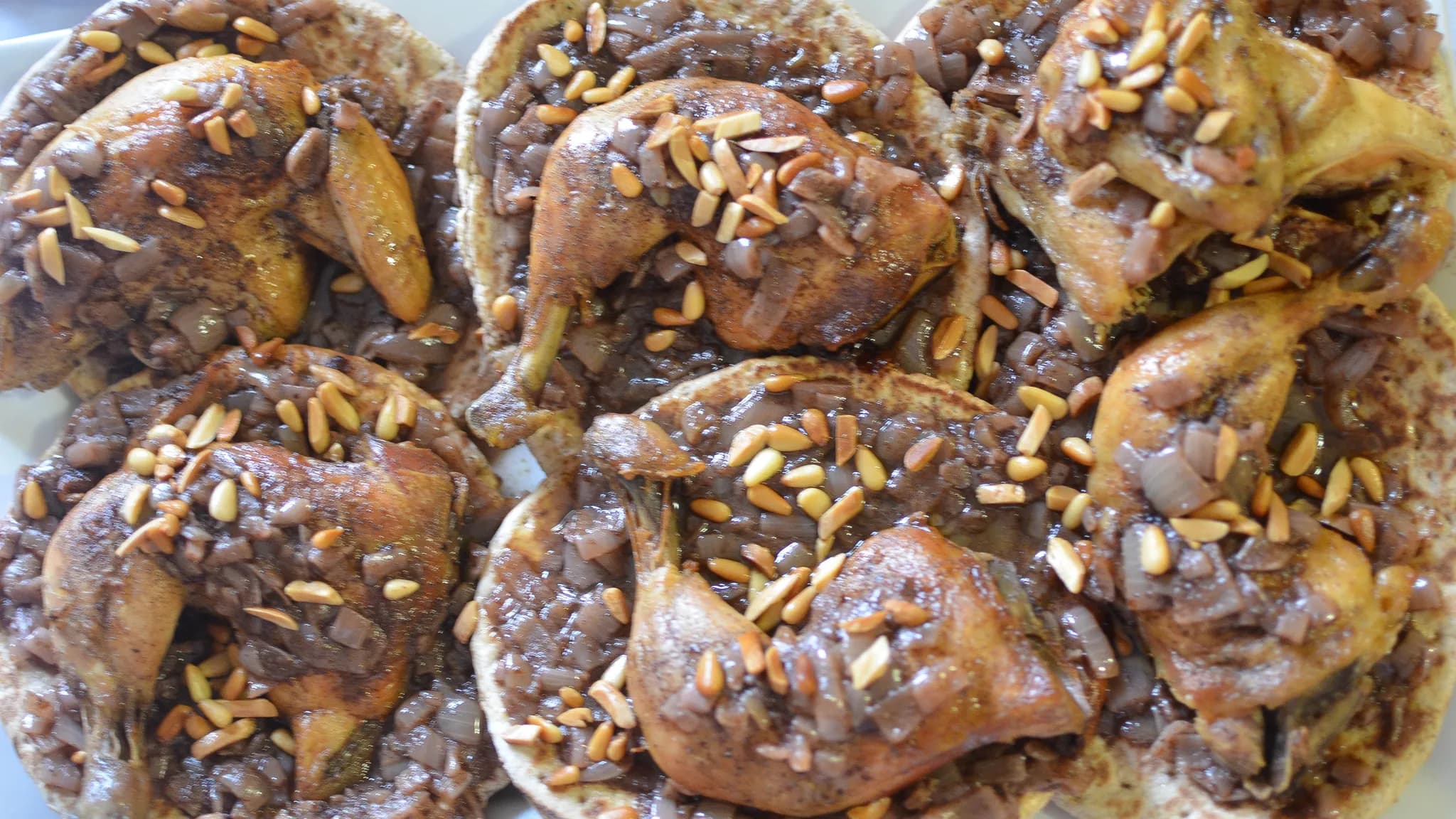
The first time you make musakhan you will think you have misread the olive oil quantity. You have not. The onions are supposed to cook in an amount of oil that looks like a mistake, and the bread underneath is supposed to drink most of it.
That is the dish. Musakhan is widely regarded as the national dish of Palestine, and it is understood to have originated around Tulkarem and Jenin in the north, where it was made during the olive harvest to celebrate the first pressing of the year, as its history records. The oil is not a cooking medium here. It is the seasonal ingredient the whole plate is built to show off.
The name means "heated", which undersells it. Sami Tamimi's version of the dish keeps that principle intact. What you get is chicken roasted until the skin gives, a heap of onions gone soft and dark red with sumac, pine nuts fried to the colour of straw, and flatbread beneath it all that has gone from dry to saturated. Sumac carries the acidity, so there is no lemon needed and no sauce to make.
Ingredients
Serves 4 generously. About 1 hour 40 minutes, most of it unattended while the onions soften and the chicken roasts.
- 1 whole chicken, about 1.6 kg, jointed into 8 pieces (or 8 bone-in, skin-on thighs)
- 1 kg onions, about 5 large, halved and sliced thinly into half moons
- 180 ml good olive oil, plus 2 tbsp for the chicken
- 6 tbsp ground sumac, plus 1 tsp to finish
- 1 tsp ground allspice
- 1/2 tsp ground cinnamon
- 1/2 tsp ground cardamom
- A generous pinch of saffron threads, soaked in 2 tbsp warm water
- 80 g pine nuts
- 4 taboon breads, or 2 large Arabic flatbreads, or 4 naan at a push
- 1 1/2 tsp fine salt, plus more for the chicken
- Black pepper
- Greek yoghurt and a simple green salad, to serve
Method
- Heat the oven to 200C fan. Pat the chicken pieces dry, rub with 2 tbsp olive oil, season well with salt and pepper, and dust with 1 tbsp of the sumac, the allspice and the cinnamon. Set aside while you start the onions.
- Put the 180 ml olive oil and all the sliced onions in a wide, heavy pan over a medium-low heat with 1 tsp of the salt. This is the step that decides the dish. Cook for 35 to 40 minutes, stirring every few minutes, until the onions have collapsed completely and turned soft and jammy. Do not brown them hard. You want them silky, not caramelised and crisp.
- While the onions cook, roast the chicken. Put the pieces skin-side up in a roasting tin and roast for 35 to 40 minutes, until the skin is bronzed and the juices from the thickest part of a thigh run clear. Keep the tin juices.
- Toast the pine nuts in a small dry pan over a medium heat for 3 to 4 minutes, moving them constantly, until pale gold. They burn in seconds once they turn, so take them off early and tip them onto a plate.
- When the onions are done, stir in the remaining 5 tbsp sumac, the cardamom, the saffron with its soaking water and the remaining 1/2 tsp salt. Cook for 2 minutes more. The mixture should go a deep russet and smell sharp and resinous. Taste it. It should be assertively tangy.
- Warm the flatbreads briefly in the oven, 2 minutes, just to make them pliable. Lay them on a large platter or a shallow baking dish, overlapping.
- Spoon about half the onion mixture over the bread and spread it out, letting the oil soak in. Pour over any juices from the chicken tin.
- Arrange the chicken pieces on top, then pile the remaining onions over and around them.
- Return the whole platter to the oven for 10 minutes, so the bread crisps at its edges while the middle stays soaked.
- Scatter with the toasted pine nuts and the last teaspoon of sumac. Serve straight from the platter, with yoghurt alongside.
Getting the onions right
Everything else in musakhan is forgiving. The onions are not.
The technique belongs to the same family as Turkish zeytinyagli cooking, where vegetables are slow-simmered in a large quantity of olive oil rather than fried in a little of it. The oil is a poaching medium. If your pan is too hot, the onions brown and go bitter and the oil takes on a fried note instead of staying green and grassy.
Low heat, wide pan, patience. If they start to catch, add a splash of water and pull the heat down.
Use an olive oil you would happily dip bread into. In a dish where 180 ml of it ends up in the bread, a harsh oil has nowhere to hide.
Bread, swaps and storage
Taboon bread is the traditional base, baked in a clay oven lined with smooth stones that leave dimples across the surface. Those craters are functional: they catch the oil and the onion juices. If you cannot find taboon, use the thickest Arabic flatbread you can, or a plain naan, and accept that it will soak rather than pool.
Pine nuts are expensive. Flaked almonds, toasted the same way, are an honest substitute and are used in plenty of Levantine kitchens.
For a vegetarian version, replace the chicken with thick slabs of roasted cauliflower or with chickpeas, roasted until the edges catch. The onions carry the dish either way.
Musakhan is best eaten within the hour, because the pleasure is the contrast between crisp bread edges and saturated middle, and that contrast fades. Leftover chicken and onions keep separately in the fridge for 3 days and are excellent reheated over fresh bread. Do not refrigerate it assembled unless you enjoy sog.
Make it in autumn if you can get hold of new-season olive oil, which is when the dish makes the most sense, and when you will understand why anyone built a national dish around a pressing date.
Published in The Outspoken Digest
Editorial desk
Outspoken Digest Food DeskCooking, ingredients, restaurants and the economics of what ends up on the table.
Newsletter
The Digest, in your inbox
One edition, sent when it is ready. No noise, and your address is never passed on.
Read Next
More Recipes →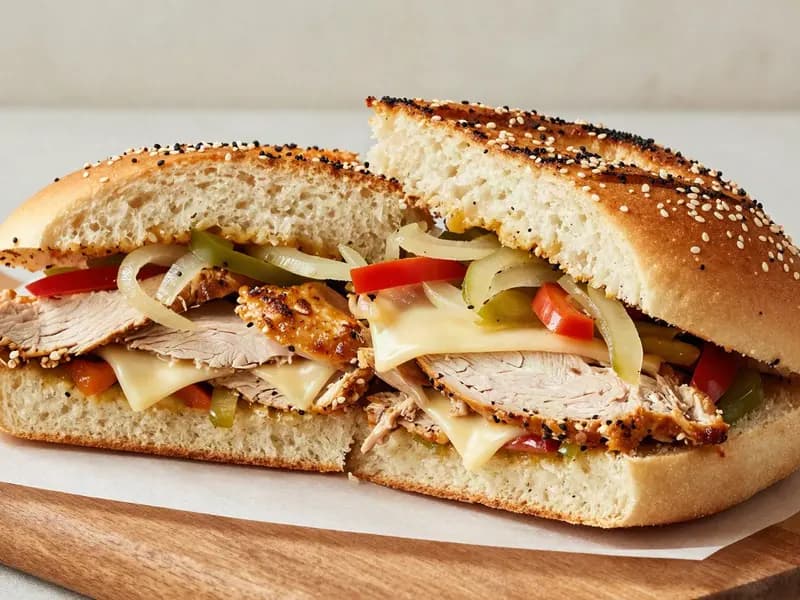
Chicken Cheesesteak at Home: Seared Thigh, Sweet Onions and Melted White American on a Sesame Roll
Oct 26, 2026/3 min read
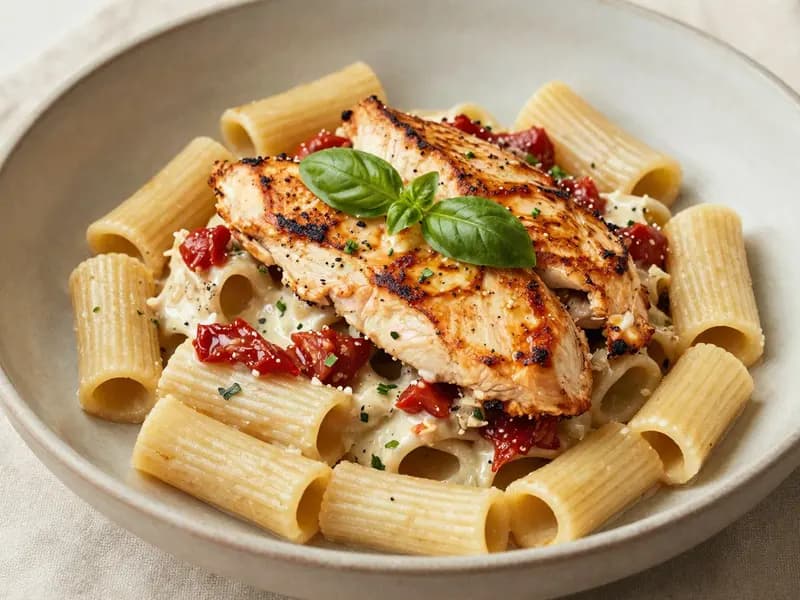
Marry Me Chicken Pasta: Creamy Sun-Dried Tomato Chicken, Ready in 40 Minutes
Oct 23, 2026/4 min read

Cheesy Ramen on the Stove: Instant Noodles in a Real Cheese Sauce in Ten Minutes
Oct 18, 2026/3 min read
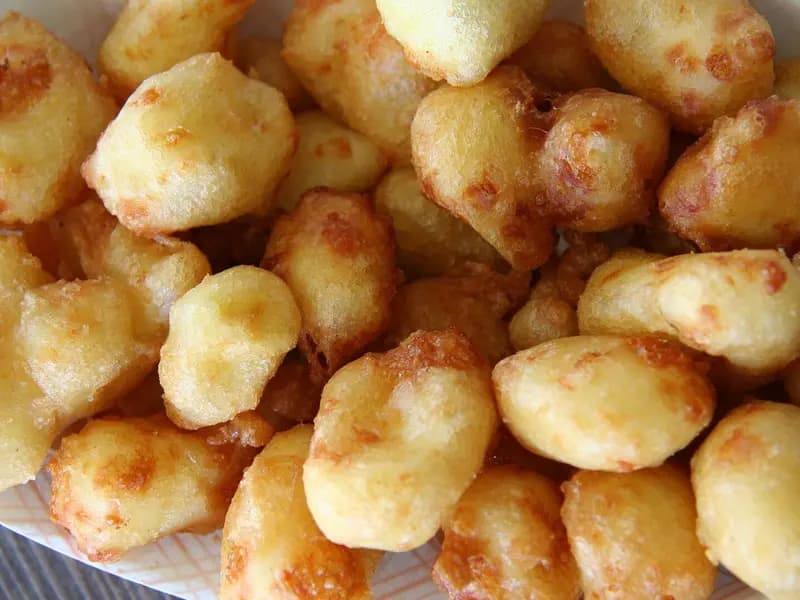
Beer-Battered Jalapeno Cheese Curds: The Wisconsin Bar Snack, Fried Properly at Home
Oct 18, 2026/3 min read