Navi Pillay, the South African Jurist Who Led the UN Gaza Inquiry, Wins the 2026 Nobel Peace Prize
The Norwegian Nobel Committee chose an 85-year-old judge who defended Nelson Mandela and sat on the Rwanda genocide tribunal, and called the choice a message to those attacking the legal order.
Friday, October 9, 2026/3 min read
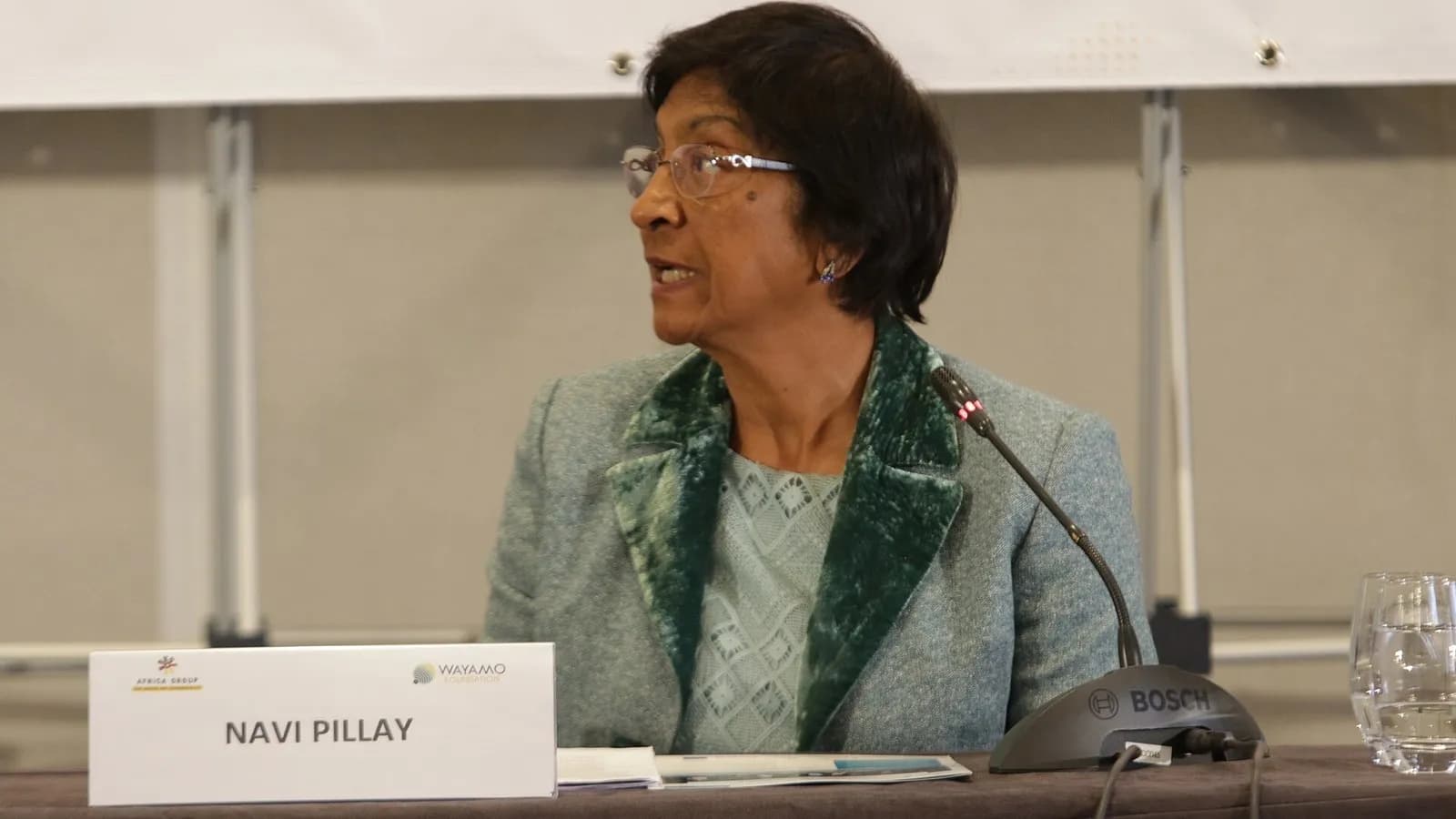
The Norwegian Nobel Committee has awarded the 2026 Nobel Peace Prize to Navanethem "Navi" Pillay, the 85-year-old South African judge who defended Nelson Mandela, sat on the Rwanda genocide tribunal and later led the United Nations inquiry that concluded Israel had committed genocide in Gaza. The committee's chair, Jørgen Watne Frydnes, announced the prize in Oslo on Friday, citing "her efforts to promote peace and international law", CBS News reported.
Frydnes presented the choice as a rebuke, saying it was "definitely a message" to those undermining the international system and its institutions. The committee said the system of international law is "under tremendous pressure" and its institutions "under attack".
Who is Navi Pillay?
Pillay was born in apartheid-era Durban to an Indian Tamil family. According to Al Jazeera, in 1967 she became the first woman to open a law practice in what was then Natal province, defended Mandela and other anti-apartheid activists, and later became the first woman of colour to serve on South Africa's High Court. She sat as a judge on the International Criminal Tribunal for Rwanda, where her work helped establish that rape and sexual violence can be crimes against humanity and genocide.
CBS says she served as a judge at the International Criminal Court from 2003 to 2008 before resigning to become the UN High Commissioner for Human Rights. She is currently an ad hoc judge at the International Court of Justice in the case brought by The Gambia against Myanmar over the treatment of the Rohingya.
What does the Gaza report have to do with it?
Pillay chaired the UN Commission of Inquiry on the occupied Palestinian territory, which concluded last year that Israel committed genocide in Gaza. France 24 notes that the commission does not speak for the UN. Frydnes was careful on the point: the committee is not taking a stance on whether Israel is committing genocide, which is for international courts to decide, and "It's her report, the Commission's report."
Israel was not persuaded. CBS reported that its Foreign Ministry condemned the award as "the grotesque weaponization of an award to legitimize anti-Israel hatred and prejudice". Israel had earlier dismissed the commission's report as scandalous.
How did Pillay and others react?
She said she first thought the news must be a joke and, being a lawyer and a judge, wanted to verify it. She heard it at the Nuremberg Forum, a gathering on international law in the German city where the Nazi leaders were tried, and told the audience that if they clapped a little more she might share the prize with Donald Trump, a reference to the president's long campaign for it. TIME noted that last year's winner, María Corina Machado, gave her medal to Trump in January, and pointed to US sanctions on the International Criminal Court. Israel, Cambodia and Pakistan have said they nominated Trump.
Agnès Callamard, the secretary general of Amnesty International, called the choice a strong one at a time of attacks on international justice, NBC News reported. Pillay was not named among the favourites, which NBC listed as Yulia Navalnaya, Vanessa Nakate and Mykola Kuleba. TIME reported that the Nobel Institute registered 287 nominations this year, 208 individuals and 79 organisations.
The prize is worth 12 million Swedish crowns, about $1.2 million, and will be presented in Oslo on 10 December. Pillay said she has no plans to stop working. The Nobel season ends on Monday with the economics prize, but this award's argument will outlast the week: that the courts need defending, and that someone has to keep doing it.
Published in The Outspoken Digest
Editorial desk
Outspoken Digest News DeskReports for The Outspoken Digest across Latest Trends, Sports, Nutrition, Crypto.
Newsletter
The Digest, in your inbox
One edition, sent when it is ready. No noise, and your address is never passed on.
Read Next
More Latest Trends →
Trump Says the US Will Not Attack Iran Before the Midterms, While Tanker Attacks Cut Hormuz Traffic to a Two-Month Low
Oct 9, 2026/3 min read
Russian Strikes Killed 22 in Pryluky and at Least 30 on Two Buses in Kramatorsk Within Two Days
Oct 9, 2026/2 min read

A Year After the Gaza Ceasefire, More Than 100 Aid and Rights Groups Say It Exists in Name Only
Oct 9, 2026/2 min read

Bosnia Returns the Same Ethnic Parties as Turnout Falls to a Record Low and Dodik Claims a Victory From Off the Ballot
Oct 6, 2026/2 min read