Oil Settles at $92.76 Brent and $86.53 WTI as Iran Denies Talks, Then Edges Lower Thursday Before Delayed EIA Report
Brent rose $1.27 on Wednesday as Tehran rejected reports of talks, then slipped in Asia on Abu Dhabi diplomacy and OPEC+ supply. A US inventory report delayed by the holiday is due Thursday.
Thursday, November 12, 2026/3 min read
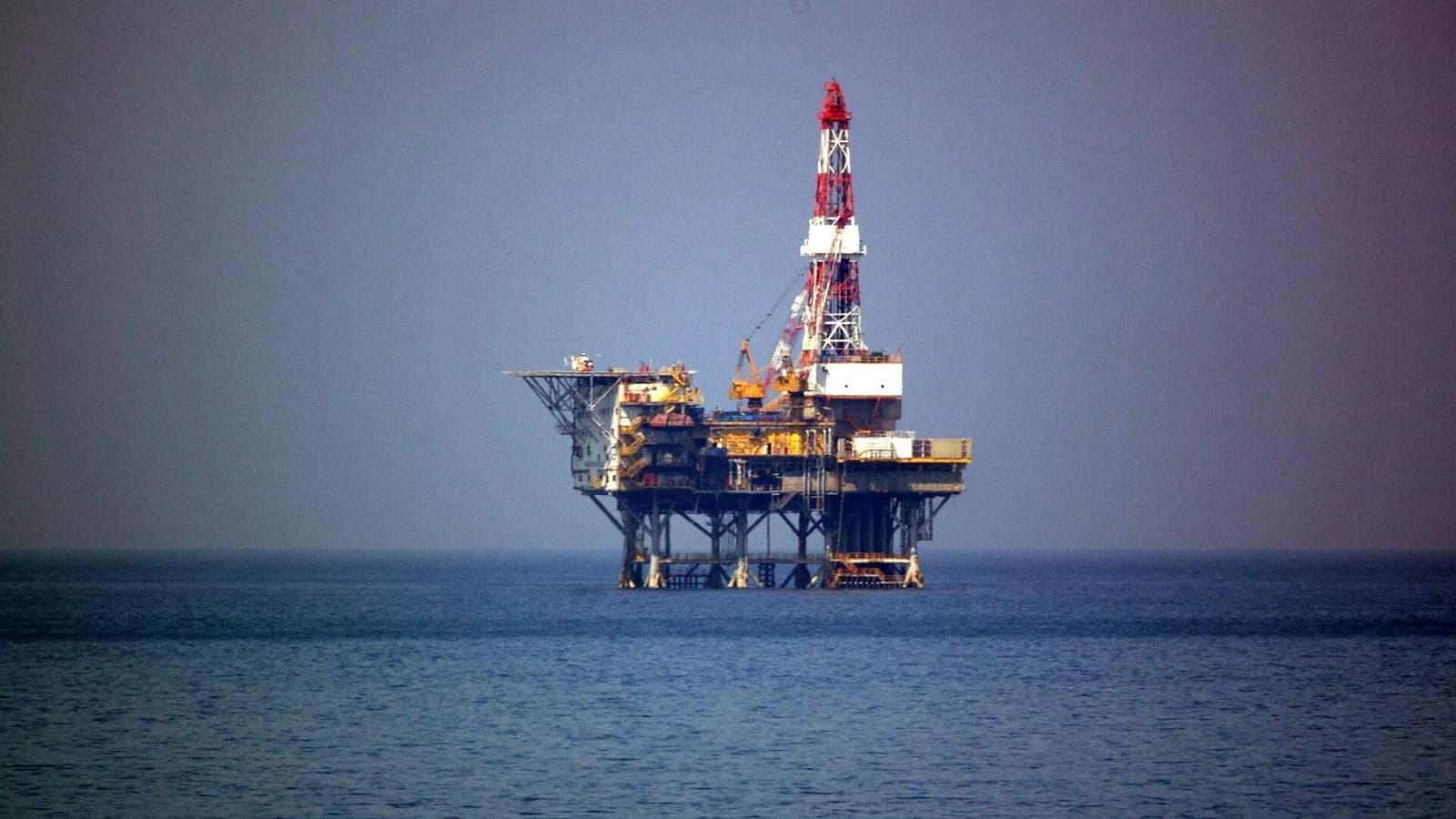
Oil ended Wednesday higher and began Thursday a touch lower, caught between two sets of diplomacy and one stubborn bottleneck. Brent settled at $92.76 a barrel and US crude at $86.53 after Iran denied it is talking to Washington, then both slipped by about 0.2 percent in Asian trade as the Russia-Ukraine talks in Abu Dhabi offered a counterweight.
The government's weekly inventory report, delayed by the Veterans Day holiday, is due later on Thursday. What follows is where the market stood at about 10:00 UTC, before it.
Where did Brent and WTI settle on Wednesday?
Brent rose $1.27, or 1.39 percent, to $92.76, and West Texas Intermediate gained 49 cents to $86.53, MLQ reported. That is consistent with Anadolu Agency, which gives the same two previous closes on Thursday. It follows Tuesday's settles of $91.49 and $86.04.
The day was choppier than the close suggests. OilPrice.com had Brent up nearly 3 percent at $93.90 late in the morning in New York, before the gain narrowed by the close. Both benchmarks remain far below their level of early November: Brent is down about 21 percent and WTI about 17 percent from then, the same report said.
Why did oil rise when Iran denied talks?
Mohsen Rezaei, Iran's top security official, said no talks with Washington are under way and called reports of a meeting in Qatar "pure lies," according to OilPrice.com. UBS analyst Giovanni Staunovo attributed the rise to fading hopes of an imminent de-escalation. Iran's president, Masoud Pezeshkian, accused the United States of conducting diplomacy through threats, and Secretary of State Marco Rubio rejected Tehran's demand for war reparations.
The physical risk has not gone away. Attackers struck 37 ships in October, the most in any month since the war began, according to the Washington Institute for Near East Policy, cited in the same report. LSEG Oil Research said any rise in flows through the Strait of Hormuz would depend on mine clearance, insurance costs and shipowners' willingness to take on risk, so a deal would not restore Gulf supply quickly.
What is pushing oil down on Thursday?
Anadolu Agency said that at 07:57 GMT, Brent for January delivery was down about 0.2 percent at $92.57 and WTI for December down 0.2 percent at $86.35. It cited the Russia-Ukraine talks in Abu Dhabi on 10 and 11 November, which Donald Trump called very positive progress, and fears of oversupply.
On supply, OPEC crude production rose by 1.97 million barrels a day in October to 27.16 million, and total OPEC+ output rose by 2.04 million to 41.23 million, the agency said. Separately, the American Petroleum Institute reported that US commercial crude inventories rose by about 9 million barrels in the week to 6 November, against expectations of a 1 million-barrel decline.
What does the EIA expect for oil prices?
The US Energy Information Administration's November outlook sees Brent near $100 a barrel in November and December, averaging $97 in 2026 and $86 in 2027, MLQ reported, though the forecast was finalised before this week's slide in futures. The agency also raised its 2027 diesel forecast to $5.03 a gallon and expects households heating with oil to spend about $2,115 this winter, around 21 percent more than last year.
The weekly EIA stockpile figures, the official check on the American Petroleum Institute's 9 million barrel build, were scheduled for Thursday after the delay, with no confirmed release time in the sources reviewed. If the build is confirmed, it would test a market that has leaned on the Hormuz risk premium more than on stocks.
Published in The Outspoken Digest
Editorial desk
Outspoken Digest Markets DeskReports for The Outspoken Digest across Business, Crypto.
Newsletter
The Digest, in your inbox
One edition, sent when it is ready. No noise, and your address is never passed on.
Read Next
More Business →
Treasury Yields Hover at 5% as Bonds Reopen, With a December Fed Hike Priced and Goldman Adding a March Rise
Nov 12, 2026/3 min read

Asian Chip Stocks Sell Off With Taiex Down 2.6% on Nvidia Report as European Shares Hit a Record and UK Growth Beats
Nov 12, 2026/3 min read

Gold Slips Below $4,000 to $3,973 and Silver Holds Near $51.4 as Traders Price a December Fed Hike and the Dollar Climbs
Nov 12, 2026/2 min read
Wall Street Rallies as CoreWeave Jumps 25% and Chips Surge, but Futures Slip Thursday on Nvidia Report
Nov 12, 2026/3 min read