Oman Below the Surface: Daymaniyat Islands and the Hallaniyat Wrecks
Oman splits its diving into two distant reserves, one a protected reef north of Muscat, the other a remote wreck-strewn archipelago in the south.
Saturday, March 15, 2025/4 min read
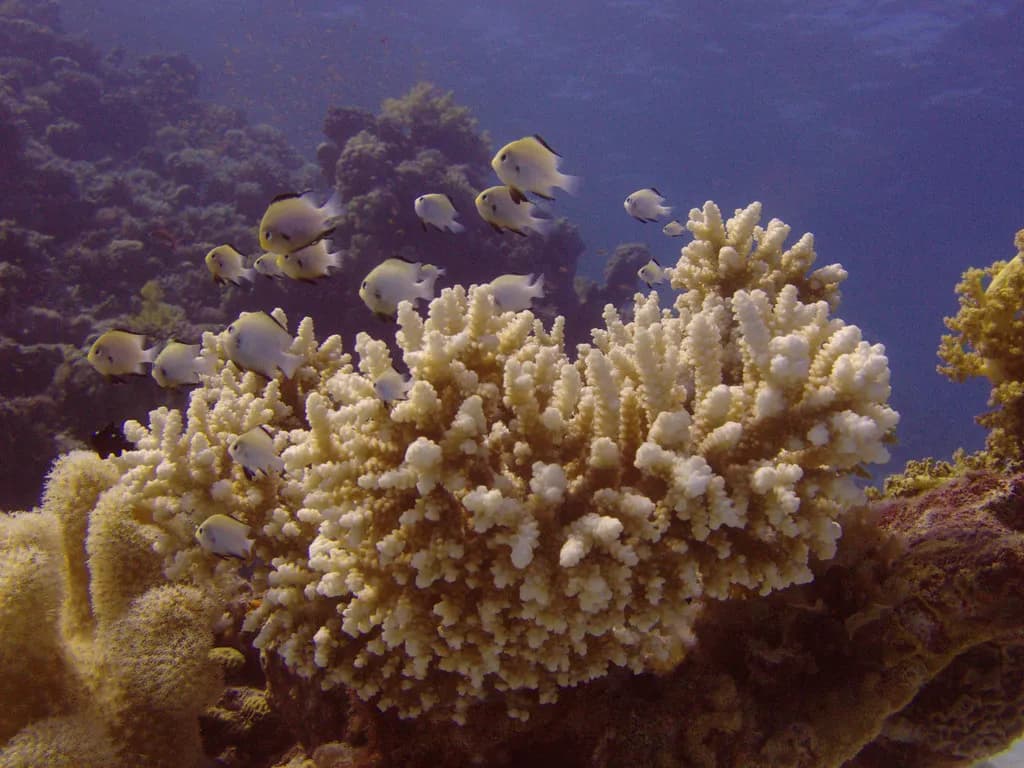
Oman does not market its diving the way Egypt or the Maldives do, and that restraint is arguably part of the appeal. The country's two significant dive regions sit hundreds of kilometres apart, serve entirely different kinds of trip, and both remain quiet by regional standards, which is unusual for water this good.
In the north, a short boat ride from Muscat, sits Oman's oldest marine protected area. In the south, reachable only by liveaboard for part of the year, sits a scattered archipelago holding one of the Arabian Sea's most storied shipwrecks. Together they give a useful picture of how varied Omani diving actually is.
A country of two very different coastlines
Oman's geography makes this split almost inevitable. The country's northern coast faces the Gulf of Oman and the Strait of Hormuz, warmer and calmer for much of the year, while its southern coast faces the open Arabian Sea near Yemen, exposed to a completely different set of currents, including seasonal upwellings driven by the Indian Ocean monsoon that bring cooler, nutrient-rich water and, with it, considerably more pelagic activity than the north typically sees. That single geographic fact, more than marketing or infrastructure, explains why Oman never developed one unified dive tourism identity the way Egypt or the Maldives did.
The Daymaniyat Islands, Oman's first marine reserve
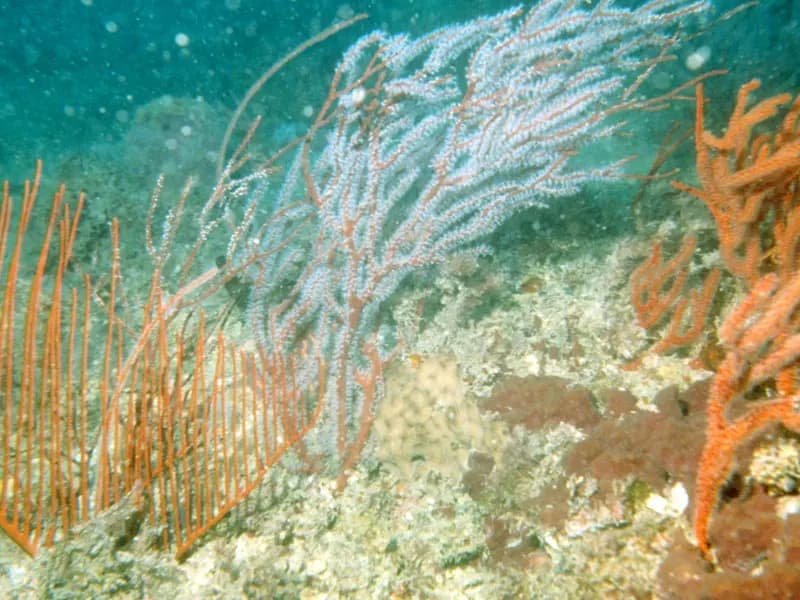
The Daymaniyat Islands sit north of Muscat and were declared a protected nature reserve by royal decree in 1996, making them Oman's first marine reserve and, decades later, still its best known. According to Daymaniyat.com, the islands shelter thriving coral reefs and more than 350 recorded species of marine life, including nesting sea turtles, reef sharks and rays, supported by deep ocean upwellings that periodically draw in large shoals of fish and, at times, leopard and whale sharks.
The protected status matters practically as well as ecologically: access is regulated, and much of the diving here is day-trip friendly from Muscat, making it one of the more accessible serious reef systems in the wider Gulf region without requiring a liveaboard commitment.
The Hallaniyat Islands, a world away in the south
The Hallaniyat Islands sit off Oman's south-east coast near Salalah, an archipelago of rugged, largely barren islands that, according to Dive Worldwide, come alive dramatically underwater despite their stark surface appearance. Access is seasonal and limited, reachable by liveaboard broadly between November and April, and the reward for the logistics involved includes dolphin encounters, manta rays, sea turtles and, in season, sightings of humpback whales passing through.
The City of Winchester, the region's forgotten wreck
The Hallaniyat Islands hold a specific piece of naval history: the British cargo ship City of Winchester, reported to be the first ship sunk in the First World War, now sitting in roughly 28 to 30 metres of water. According to Dive The World, the hull has largely collapsed over the intervening century, exposing the engine and boiler, and the wreck's remains are now thick with soft corals, anemones and fans, populated by scorpionfish, lionfish and honeycomb morays.
It is a wreck dive within recreational depth limits for a certified diver, but its remoteness, reachable only as part of a longer liveaboard route through the southern islands, keeps visitor numbers low compared with far more crowded wrecks elsewhere in the region.
What a day at the Daymaniyat Islands actually involves
A typical Daymaniyat day trip leaves from a Muscat marina early, motors out for roughly an hour, and covers two or three dive sites around the nine small islands that make up the reserve, none of which allow overnight anchoring or shore landings without a permit. The reef here sits mostly between five and twenty five metres, comfortable for an Open Water diver, with occasional deeper drop-offs that reward more advanced certification. Visibility runs strongest outside the summer shamal wind season, when the Gulf of Oman can turn choppy enough to cancel boat trips entirely, a seasonal detail operators factor into their booking calendars each year.
Two regions, two very different trips
The practical split for anyone planning Omani diving is straightforward: the Daymaniyat Islands work as an addition to a Muscat city trip, accessible, well-regulated, and rewarding without demanding a major logistical commitment. The Hallaniyat Islands are a dedicated diving expedition, seasonal, liveaboard-only, and suited to divers who specifically want wreck history and pelagic encounters away from any crowd.
Scuba Travel's regional guide notes that the country's diving overall remains concentrated in these two distinct zones rather than spread continuously along the coast, which is part of why Oman rewards planning around a specific goal rather than a general itinerary.
Before diving either region
- Confirm the Daymaniyat Islands' current entry permit requirements with a Muscat-based operator, since access to the reserve is regulated.
- Book Hallaniyat trips only through operators running the correct seasonal window, broadly November through April, since conditions outside it are considerably rougher.
- Respect the marine reserve rules around the Daymaniyat Islands specifically, including any restrictions on landing on the islands themselves.
Marine park regulations, seasonal access windows and permit requirements in Oman can change, so divers should confirm current guidance with a licensed local operator before booking either region, rather than relying on older trip reports.
Oman's diving rarely gets the attention Egypt or the Maldives receive, but for divers willing to plan around its geography rather than expect it to behave like a single resort destination, it offers something increasingly rare in this part of the world: a marine reserve that has actually stayed quiet.
Between the two regions sits the rest of Oman's coastline, largely undived by comparison, which several operators describe as the country's real long-term potential: hundreds of kilometres of Arabian Sea coast that nobody has bothered to survey properly for diving yet, simply because Muscat and Salalah have absorbed almost all of the attention so far.
Published in The Outspoken Digest
Editorial desk
Outspoken Digest Diving DeskCovers freediving, recreational and technical diving, dive medicine and the incidents the sport learns from.
Newsletter
The Digest, in your inbox
One edition, sent when it is ready. No noise, and your address is never passed on.
Read Next
More Diving →
Playing Recordings of a Healthy Reef Drew More Coral and Fish Larvae to Artificial Structures Off Hawaii
Oct 9, 2026/3 min read
Blacktip Sharks Can Hear a Sound From Nearly 250 Feet Away and Swim Straight Toward or Away From It
Oct 1, 2026/2 min read
A Sea Turtle Species Never Recorded Nesting in the United States Laid Eggs on a Southern California Beach
Oct 1, 2026/2 min read
Marine Surveyors Confirmed Living Coral Off Benin, More Than Sixty Years After the Reef Was Presumed Dead
Sep 29, 2026/2 min read