Omani Shuwa Without a Pit: The Spice Paste Still Works
Oman buries spiced lamb in an underground oven for a day or more. Most kitchens do not have a pit, and a low oven with a sealed wrap gets remarkably close.
Monday, August 3, 2026/3 min read
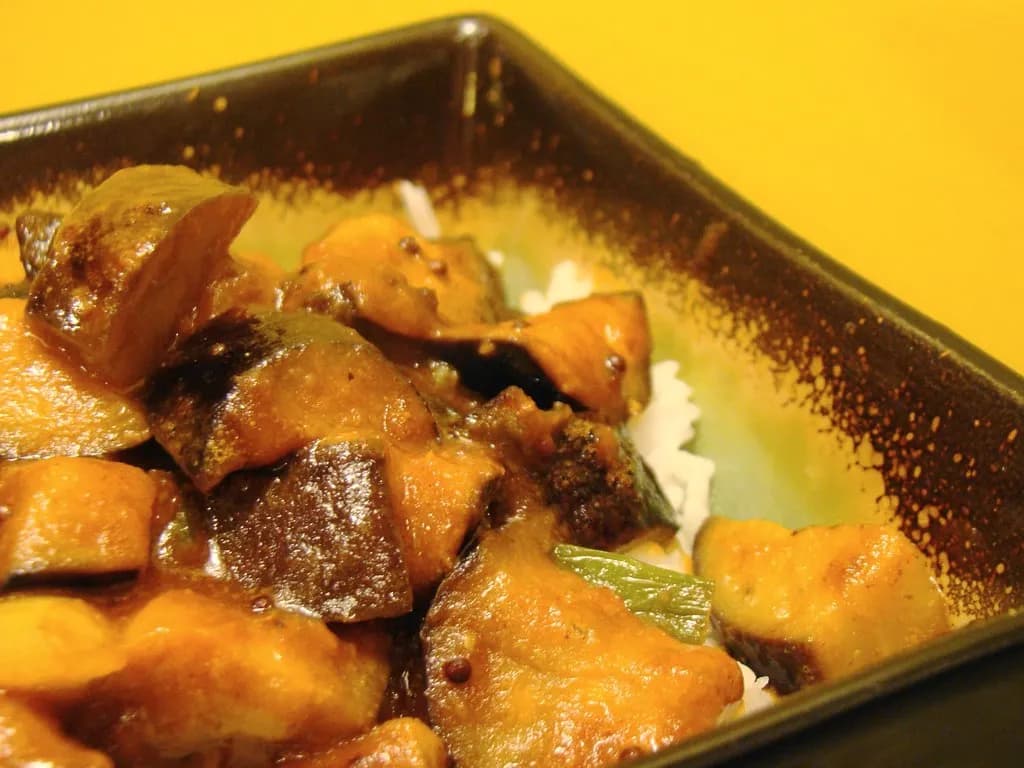
Shuwa is the most patient dish in the Gulf. Large cuts of lamb or goat are coated in a heavy spice paste, wrapped in palm or banana leaves, and lowered into a pit oven dug into the ground, where they stay for many hours while the sand holds the heat.
It is a national dish of Oman and a genuinely communal one, prepared for weddings, Eid and the occasions that justify a whole animal and a whole day. This account of shuwa sets out the method and its place in Omani cultural life, and describes the marinade built on garlic, coriander, cinnamon, cardamom and nutmeg.
What follows is not a pit. Nobody should pretend an oven reproduces the smoke and the earth. But the paste is the heart of the dish, and a very low oven with a tightly sealed wrap gets you a long way toward that texture: meat that has gone past tender into something closer to collapsing. Shuwa sits alongside a wider Omani repertoire covered by this guide to Omani cuisine.
Ingredients
Serves 6. Total time: 7 hours, of which 20 minutes is active. Marinate overnight.
- 2 kg lamb shoulder on the bone, or leg, in two large pieces
- 8 garlic cloves
- 2 tbsp ground coriander
- 1 tbsp ground cumin
- 2 tsp ground cinnamon
- 2 tsp ground cardamom
- 1 tsp freshly grated nutmeg
- 1 tsp ground cloves
- 2 tsp ground turmeric
- 1 tbsp mild chilli powder or Kashmiri chilli
- 2 tbsp red wine vinegar or lime juice
- 4 tbsp ghee, melted, plus more for the wrap
- 1 tbsp salt
- Banana leaves if you can find them, otherwise baking parchment and heavy foil
- 500 g basmati rice, to serve
- 0.5 tsp saffron threads, soaked in 3 tbsp warm water
- 60 g flaked almonds, toasted
Method
- Blend the garlic, all the ground spices, the vinegar, melted ghee and salt into a thick paste. It should be spreadable, closer to a rub than a marinade.
- Score the lamb deeply, about 2 cm apart and well into the flesh. Work the paste into every cut and over every surface. Use your hands and take longer than feels necessary.
- Cover and refrigerate overnight, or at least 8 hours. This is not optional. The spice needs time to travel into a piece of meat this size.
- Take the lamb out an hour before cooking. Heat the oven to 140C fan.
- Wrap each piece first in banana leaves if using, then in two layers of parchment, then two layers of heavy foil, sealing the edges tightly by folding rather than crushing. The seal is what traps the steam that does the work.
- Sit the parcels in a deep roasting tin, add 200 ml water to the tin, and cook for 5 to 6 hours. Do not open the parcels to check before 5 hours; every opening releases the steam you are relying on.
- Unwrap carefully, standing back from the steam. The meat should pull away from the bone under almost no pressure. If it resists, seal it again and give it another 45 minutes.
- Raise the oven to 220C fan, open the parcels, spoon over some of the collected juices and return uncovered for 12 to 15 minutes to dry and darken the surface. Serve over saffron rice with the juices and toasted almonds.
Notes, swaps and keeping
Shoulder beats leg here. It carries more fat and connective tissue, and a six hour cook is exactly what converts that collagen into the gelatinous texture the dish is judged on. Leg works but goes drier.
Goat is traditional and excellent if you can get it, cooked the same way with perhaps an extra 45 minutes. Beef short rib takes the paste well too, though it stops being shuwa at that point.
The paste quantity looks excessive against the meat. It is correct. Much of it forms a crust and much dissolves into the juices, and a timid coating produces bland lamb with a spiced exterior.
Cooked shuwa keeps four days refrigerated, sealed with its juices, and is arguably better on day two. Reheat gently, covered, at 150C. Shredded into flatbread with yoghurt and pickles, the leftovers justify cooking the larger cut in the first place.
Published in The Outspoken Digest
Editorial desk
Outspoken Digest Food DeskCooking, ingredients, restaurants and the economics of what ends up on the table.
Newsletter
The Digest, in your inbox
One edition, sent when it is ready. No noise, and your address is never passed on.
Read Next
More Recipes →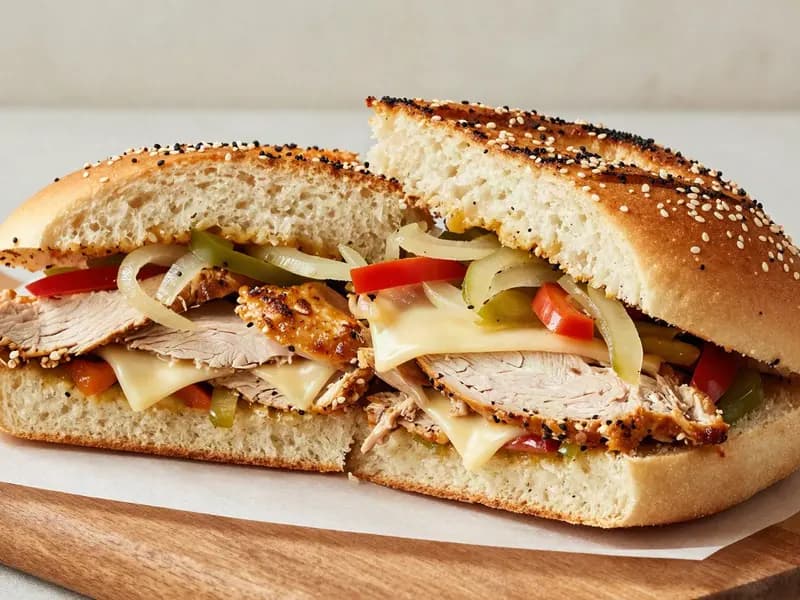
Chicken Cheesesteak at Home: Seared Thigh, Sweet Onions and Melted White American on a Sesame Roll
Oct 26, 2026/3 min read
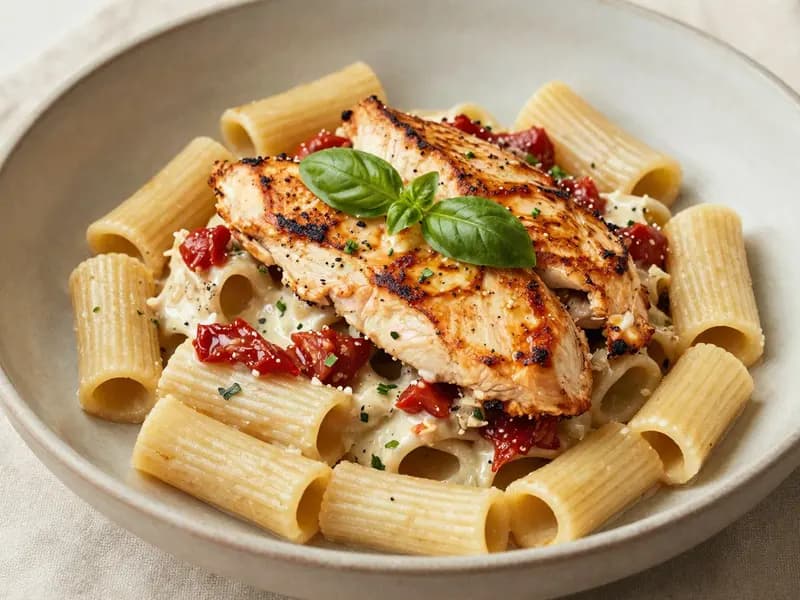
Marry Me Chicken Pasta: Creamy Sun-Dried Tomato Chicken, Ready in 40 Minutes
Oct 23, 2026/4 min read

Cheesy Ramen on the Stove: Instant Noodles in a Real Cheese Sauce in Ten Minutes
Oct 18, 2026/3 min read
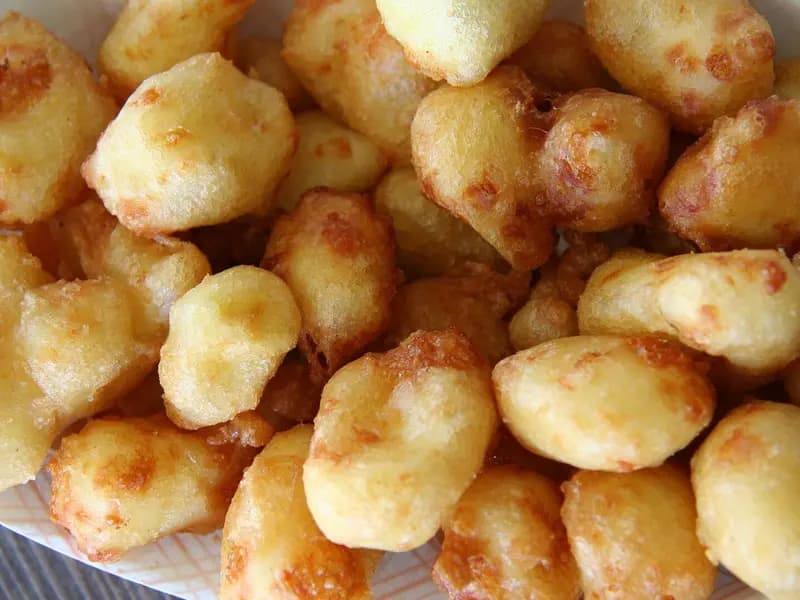
Beer-Battered Jalapeno Cheese Curds: The Wisconsin Bar Snack, Fried Properly at Home
Oct 18, 2026/3 min read