Pacific Climate Education Starts With Place, Language and Memory
UNESCO-backed work across Pacific communities shows climate education becoming more useful when science is connected with local language, culture and lived knowledge.
Friday, July 24, 2026/2 min read
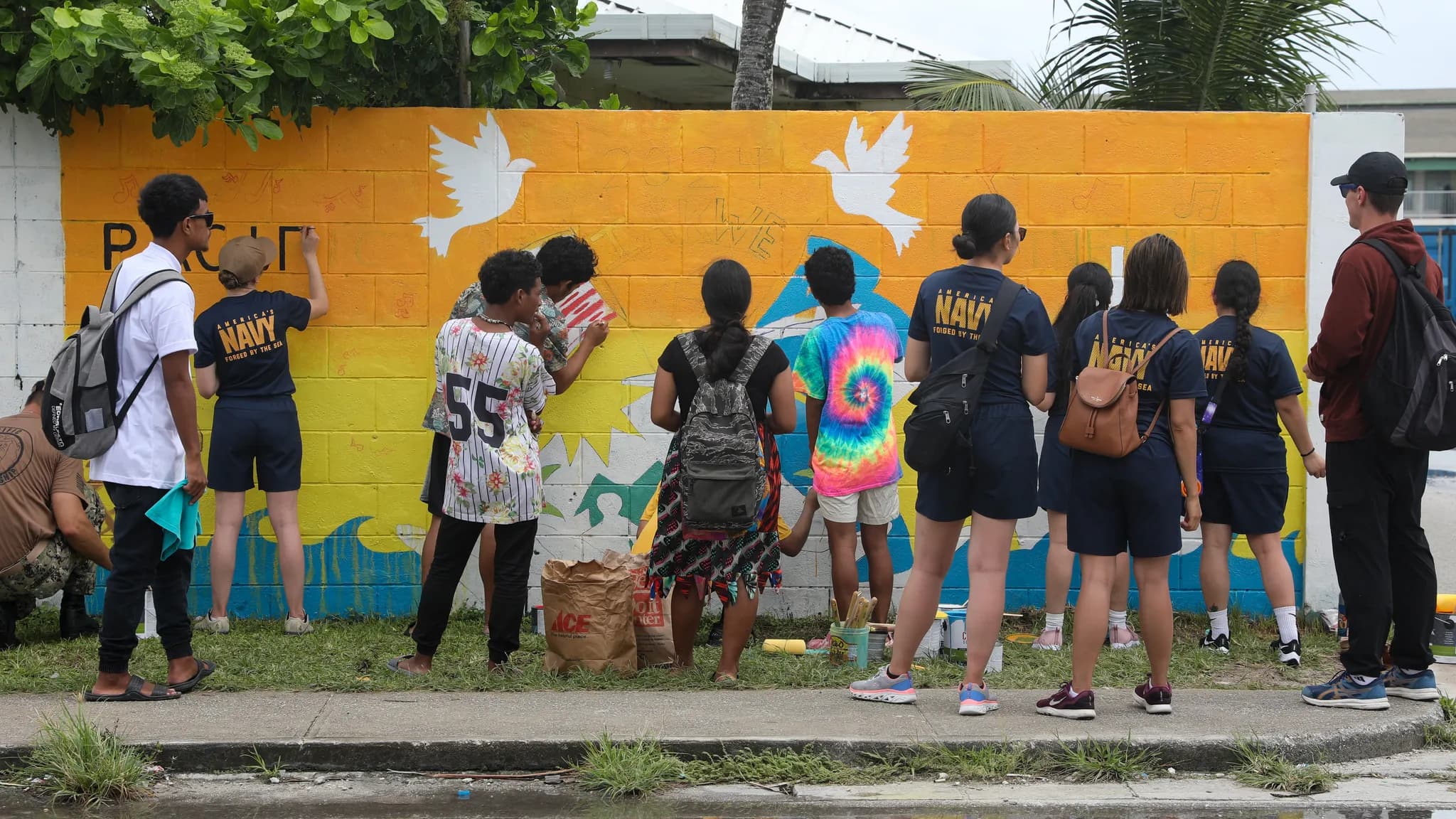
Climate education in Pacific communities is increasingly being built around place rather than imported as an abstract global lesson. Students connect scientific concepts with coastlines, food systems, language, oral history and the changes families can already observe.
This article was prepared for the July 24 edition using current reporting and official background material. UNESCO Pacific climate-smart education provides the immediate frame, while UNESCO education for sustainable development supplies the institutional context needed to interpret it.
What changed
UNESCO-backed programs emphasize climate-smart and life-skills education. The approach recognizes that knowledge must be usable: understanding a hazard, communicating it across generations and making decisions before and after an event.
The distinction between an announcement and a durable change matters. Headlines describe the new development; evidence over the next several weeks will show how widely it is used, how institutions respond and which early assumptions survive contact with operations.
Why the story matters now
Small island states face sea-level rise, extreme weather and ecosystem change despite contributing little to global emissions. Schools therefore carry a difficult dual task. They prepare young people for local impacts while helping them understand international systems that shape finance, migration and emissions.
IPCC small islands fact sheet offers an additional reference point. Read together, the sources show why this story is not isolated: it connects policy, infrastructure, public confidence and the incentives of organizations expected to act.
What readers and organizations should do
Curricula should support teachers with local materials and avoid presenting indigenous knowledge as decoration beside the real science. Community observation and scientific measurement can strengthen each other when limitations are discussed honestly. Language access is essential because emergency and environmental knowledge loses power when it cannot travel through families.
- Check the date and scope of official notices before acting.
- Separate verified operational facts from forecasts and promotional claims.
- Keep a practical alternative when transport, health, finance or technology decisions are time-sensitive.
- Revisit the situation as new evidence becomes available.
What to watch next
Success should appear in preparedness, student agency and community participation, not only test results. Programs also need stable funding so climate learning does not depend on a short project cycle that disappears after a pilot.
The useful response is neither complacency nor alarm. It is to identify what has genuinely changed, who bears the risk and which indicators can confirm whether the first-day narrative was accurate. That is the standard Outspoken Digest will use as the story develops.
Published in The Outspoken Digest
Newsletter
The Digest, in your inbox
One edition, sent when it is ready. No noise, and your address is never passed on.
Read Next
More Latest Trends →
Federal Agents Search Rep. Ilhan Omar's Washington Home Three Weeks Before the Midterms, and She Calls It Intimidation
Oct 13, 2026/2 min read
Iran Calls the US Reply on Hormuz 'Inadequate' as Two Indian Seafarers Go Missing After a Tanker Is Hit Off Oman
Oct 13, 2026/2 min read
Trump Declares a Russia-Ukraine 'Energy Ceasefire' and Moscow Keeps Hitting Ukraine's Power Plants, Zelenskyy Says
Oct 13, 2026/2 min read
Saudi Arabia Vows a Serious Response After a Houthi Missile Killed 13 at Riyadh Airport as Trump Weighs Joining
Oct 13, 2026/2 min read