Parker House Rolls Recipe: Buttery Folded Dinner Rolls You Can Make Ahead for Thanksgiving
Soft milk dough, a brush of melted butter and one fold give Boston's famous rolls their pull-apart layers and crisp, shiny tops. Metric quantities, a make-ahead plan and freezer tips.
Friday, November 20, 2026/3 min read
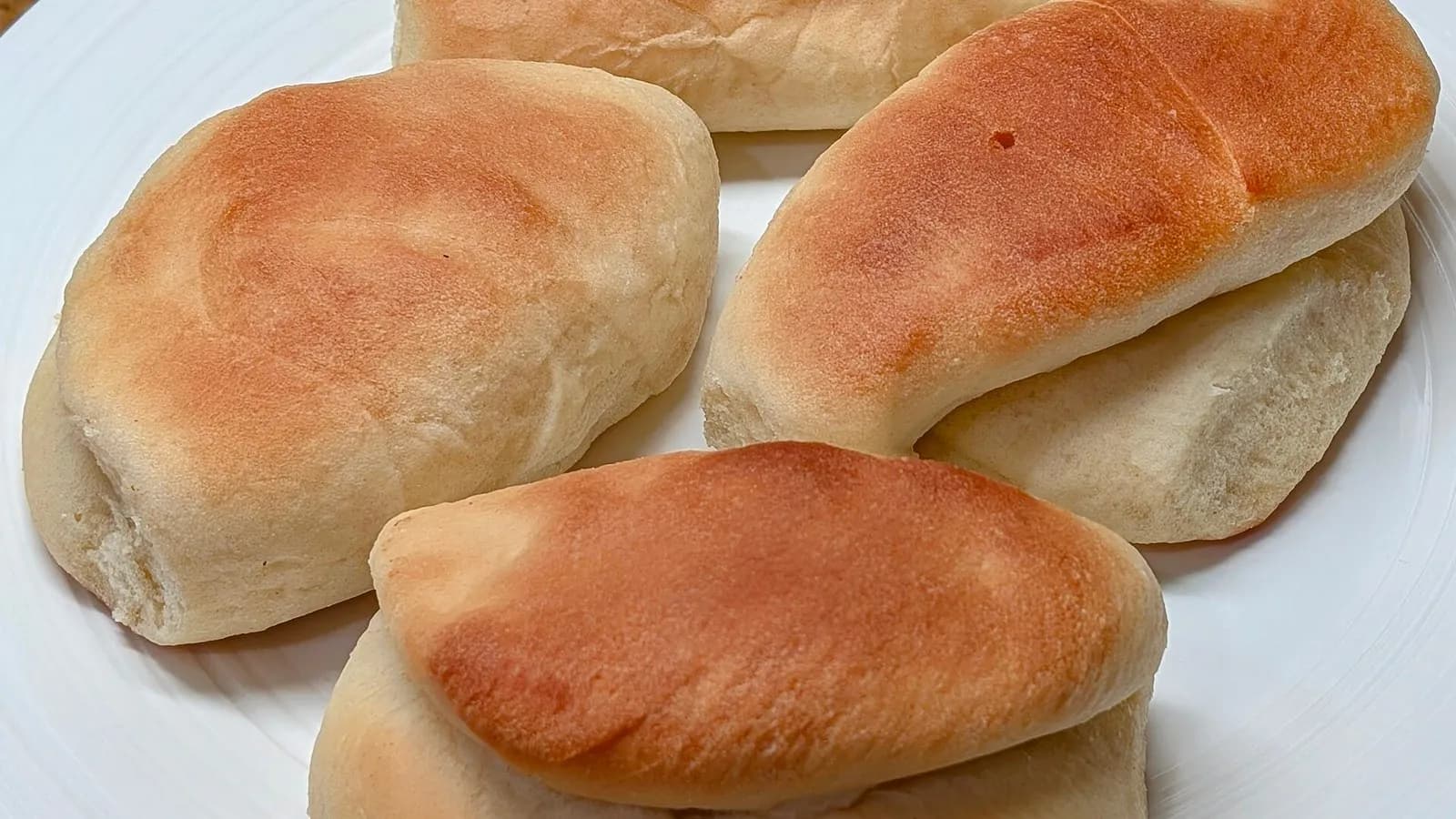
The best thing on a crowded Thanksgiving table is often the bread. A Parker House roll is soft inside, thinly crisp outside, glossy with butter, and it comes apart in folded halves that are made for dragging through gravy.
With Thanksgiving on 26 November, bakers are planning their rolls now. Joy the Baker's 11 November round-up of make-ahead rolls and breads calls the Parker House the buttery, folded classic and says baked rolls freeze like a dream. On 19 November, Sourdough Archive posted a discard version for Thanksgiving, billing the roll as the crowning glory of dinner.
The roll takes its name from the Parker House Hotel in Boston, where, according to Wikipedia, it was created in the 1870s. Accounts of its invention differ, though every version involves an angry cook throwing unfinished rolls into the oven, which explains the dented look. Fannie Farmer printed a recipe in 1896. The shape is simple: flatten a ball into an oval and fold it in half.
Ingredients
Makes 16 rolls. Allow about 3 hours in total, most of it hands-off rising.
- 500 g strong white bread flour, plus extra for dusting
- 50 g caster sugar
- 10 g fine salt
- 7 g instant yeast
- 240 ml whole milk, warmed to about 35 C
- 1 large egg, at room temperature
- 85 g unsalted butter, softened, for the dough
- 60 g unsalted butter, melted, for brushing
- Flaky sea salt, to finish
Method
- Mix the flour, sugar, salt and yeast in a large bowl. Add the warm milk and egg and stir until a shaggy dough forms.
- Add the softened butter in three pieces, kneading each in before adding the next. Knead for 10 minutes by hand, or 6 to 8 minutes in a stand mixer on medium speed, until smooth and elastic.
- Place the dough in a lightly oiled bowl, cover and leave somewhere warm for about 1 hour, until doubled.
- Butter a 23 x 33 cm baking tin. Tip out the dough, press out the air and divide it into 16 pieces of about 55 g each. Roll each into a ball.
- On a floured surface, roll each ball into an oval about 10 cm long. Brush it lightly with melted butter, then press a rolling pin or the side of your hand across the middle, a little off centre, and fold the larger side over the smaller.
- Stand the rolls in the tin in rows, overlapping and each leaning against the next. Brush with half of the remaining butter, cover loosely and leave for 45 minutes, until puffy.
- Heat the oven to 190 C (170 C fan). Bake for 20 to 22 minutes, until deep golden.
- Brush the hot rolls with the rest of the melted butter, scatter with flaky salt and leave in the tin for 5 minutes before serving warm.
Make ahead, freeze and swap
For a head start, shape the rolls into the tin, cover tightly and chill overnight, then give them 30 to 45 minutes at room temperature to puff before baking. Joy the Baker recommends freezing fully baked rolls in an airtight bag and warming them wrapped in foil at 190 C (375 F). From frozen, expect them to need roughly 15 to 20 minutes.
Two details decide the texture. First, keep the dough slightly tacky: it should stick a little to your fingers, because too much extra flour gives dry, bready rolls. Second, do not skip the second rise, since underproved rolls bake up dense and split at the fold. They are ready when a gentle poke leaves a dent that springs back slowly.
Brushing butter between the layers before folding is what makes the halves peel apart, and the final brush on the hot rolls gives the glossy top. Use unsalted butter and add the flaky salt at the end, so you control the seasoning. If your oven runs hot, cover the tin loosely with foil for the last five minutes.
Swap half the milk for buttermilk for a slight tang, or replace 100 g of flour with mashed potato for extra softness. Baked rolls keep for two days in a sealed container.
Make a double batch for the leftovers on 27 November. A split roll with cold turkey and cranberry sauce is the quiet reward for the whole week of cooking.
Published in The Outspoken Digest
Editorial desk
Outspoken Digest Food DeskCooking, ingredients, restaurants and the economics of what ends up on the table.
Newsletter
The Digest, in your inbox
One edition, sent when it is ready. No noise, and your address is never passed on.
Read Next
More Recipes →
Pigs in Blankets Recipe: Crisp Bacon-Wrapped Chipolatas, With a Double Wrap and Honey Glaze
Nov 20, 2026/3 min read
Pumpkin Cheesecake Recipe: Gingersnap Crust, Water Bath and a Make-Ahead Thanksgiving Plan
Nov 20, 2026/4 min read
French Fries Recipe: Julia Child's Double-Fried Method, With a Smoked Paprika Shaker Salt
Nov 16, 2026/3 min read
Dry-Brined Roast Turkey Recipe for Thanksgiving 2026: Herb Butter and Simple Gravy
Nov 16, 2026/3 min read