Swiss President Guy Parmelin Will Leave the Federal Council at the End of 2026, Saying the Passion Has Faded
Switzerland's president and economics minister announced in Bern that he will step down on 31 December after eleven years in government, opening a contest to replace him that parliament will settle on 9 December.
Friday, October 2, 2026/2 min read
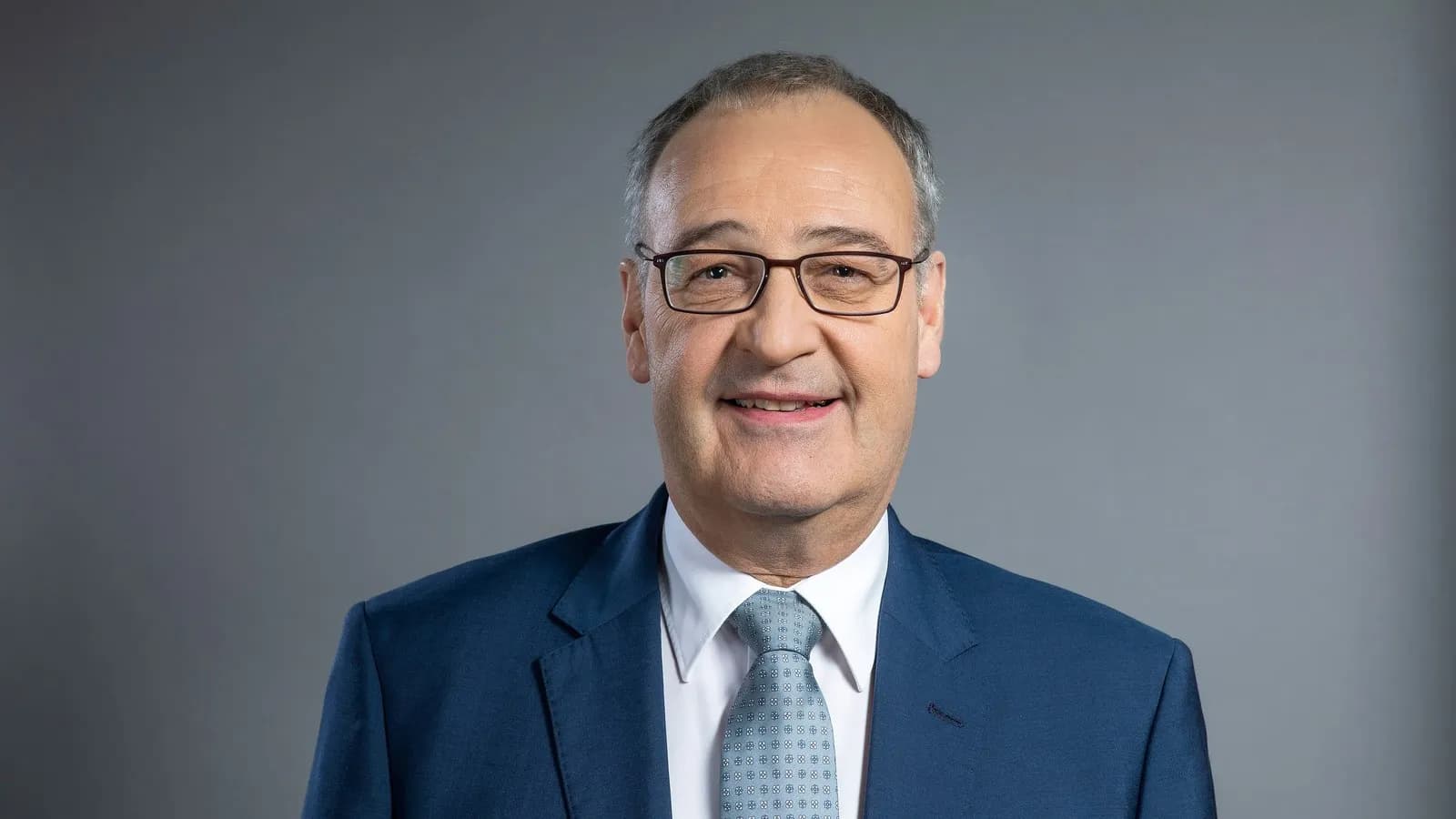
Guy Parmelin, who holds the rotating Swiss presidency this year and runs the economics ministry, told reporters in Bern on Friday 2 October that he will leave the seven-member Federal Council when 2026 ends. The announcement, reported by Swissinfo, brings to a close eleven years in government for a member of the right-wing Swiss People's Party, the SVP.
What he said
Parmelin gave a plain reason. According to Swissinfo, he said the passion for the job is no longer as strong as it was at the start, and that he wanted to make way for new blood in what he called times of great uncertainty. He also reached for a blunt line about indispensability: "You have to make a decision, and the graveyard is full of people who thought they were indispensable."
He denied that his health was behind the decision, despite earlier speculation about back problems. The departure is therefore a political and personal choice rather than a forced exit, and it comes while he still holds the presidency, a post that rotates among the seven councillors each year.
A long run in two departments
Parmelin joined the government in December 2015 and ran the defence ministry until 2019, then moved to economics, where he has stayed. He has held the presidency twice, in 2021 and again this year. Swissinfo lists among his achievements the free-trade agreements with India and with the Mercosur bloc, and he led the economics portfolio through the pandemic. His first presidency in 2021 was also the year the government abandoned the framework agreement with the European Union.
The economics ministry is one of the heavier jobs in Bern, covering trade policy, agriculture, vocational education and research, which is part of why the succession will be watched closely outside the country as well as in it.
How the succession works
Switzerland's government is not chosen by a single election night. The United Federal Assembly, meaning both chambers of parliament sitting together, elects each councillor individually. Under the informal party formula that has governed the Federal Council for decades, the SVP expects to keep the seat Parmelin vacates, so the real contest is over which SVP politician the other parties are willing to back.
The calendar is already fixed. Swissinfo reports that nominations close on 23 October and that parliament will vote on 9 December, with candidates able to come from the national parliament or from the cantons. Parmelin himself will remain in office until 31 December, so there is no gap between the vote and the handover.
What to watch
Expect the next two months to be a quiet auction. The SVP will need to put forward a credible name, and the centre and left parties that hold the balance in the Federal Assembly will weigh how far that person matches the consensus style the Swiss system rewards. The same announcement, carried by Jamaica Observer from an AFP report, confirms the timetable and the date of his departure. For now, the only certainty is the end date of 31 December.
Published in The Outspoken Digest
Editorial desk
Outspoken Digest News DeskReports for The Outspoken Digest across Latest Trends, Sports, Nutrition, Crypto.
Newsletter
The Digest, in your inbox
One edition, sent when it is ready. No noise, and your address is never passed on.
Read Next
More Latest Trends →
Ukraine's Anti-Corruption Bureau Searches the National Bank, and Governor Pyshnyi Says He Is Staying
Oct 22, 2026/2 min read
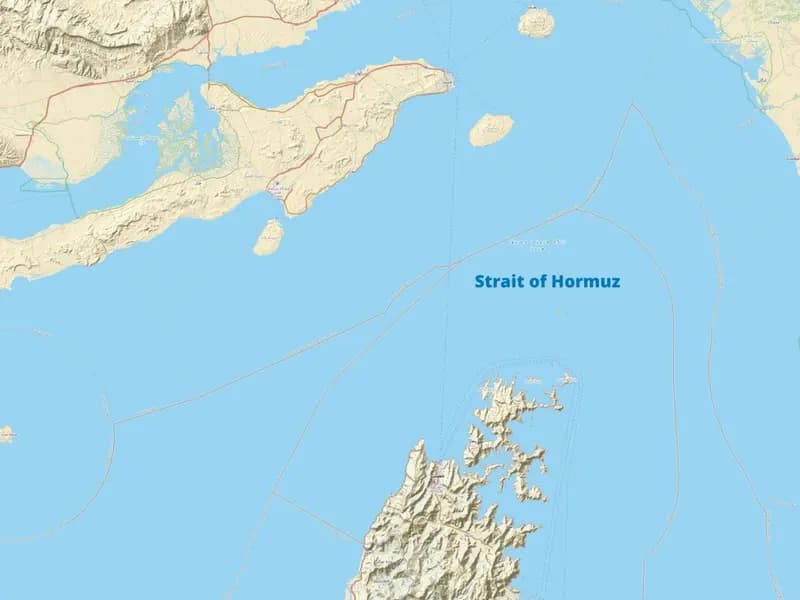
Iran Says Hormuz Stays Shut Until Washington Accepts Its Seven-Day Plan, and Explosions Are Reported on Its Coast
Oct 22, 2026/2 min read
Putin Tells Witkoff He Will Negotiate in Principle as Russia Frees American Stephen Hubbard
Oct 22, 2026/2 min read

Two Killed at a Saudi Oil Field and One at Dammam Airport as the US Orders Embassy Staff Out of Saudi Arabia
Oct 22, 2026/2 min read