PHP2Shell for Hosts, Developers and Security Teams: Backports, WAF Rules and Incident Response
Firewall rules buy time, distributions ship backports under old version numbers, and containers need rebuilding. What each vendor advised and where the limits are.
Outspoken Digest Technology Desk
Thursday, October 22, 2026/3 min read
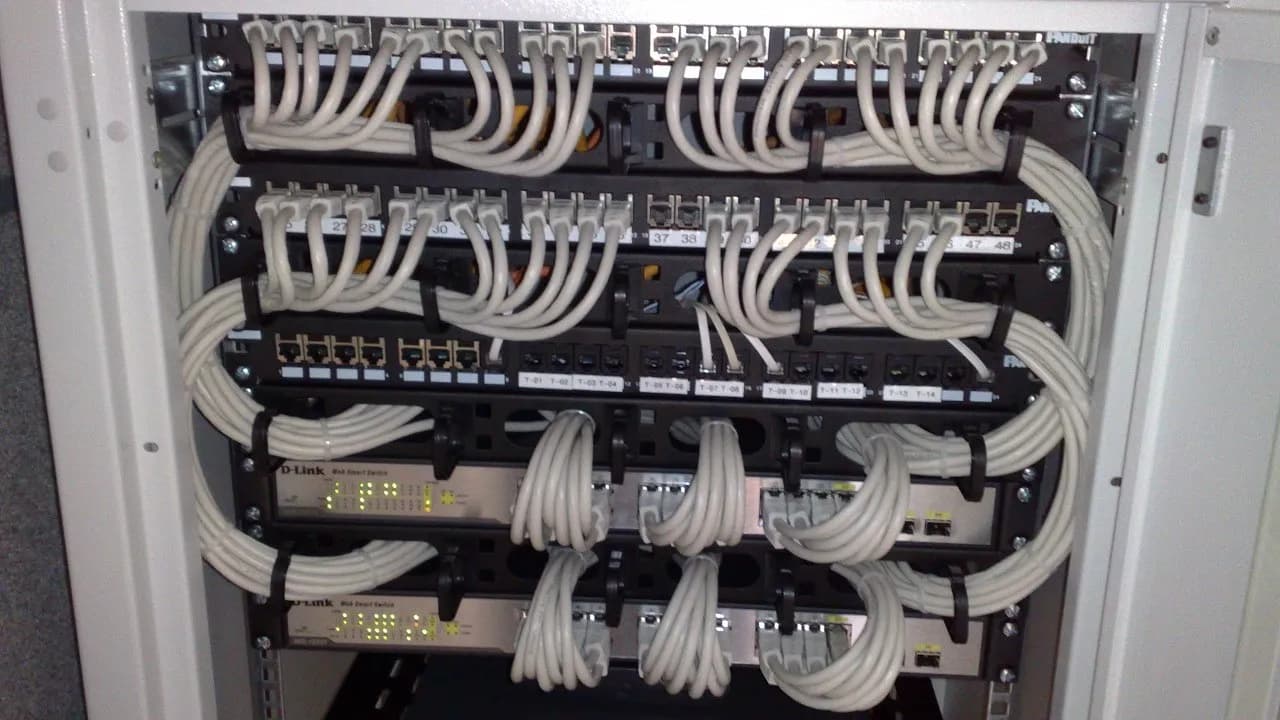
For a host or a security team, PHP2Shell is a fleet problem: hundreds of images, several PHP branches, a mix of packages and containers, and an exposure window that may start before the advisory. Site owners should start with our checklist for small businesses. This piece covers the layers above that.
How much can a WAF rule do against PHP2Shell?
Quite a lot for the first hours, and nothing for the root cause. Cloudflare turned on default rules for Free plans and its Managed Ruleset for paid plans, plus a response-side detection that inspects the origin's reply, and told customers to confirm the managed ruleset is in block mode, according to its post. It also saw attackers altering payloads to dodge the rules, and says WAFs do not fix the underlying flaw. BleepingComputer reports the rules only cover traffic routed through Cloudflare, so an origin reachable directly is untouched.
Google Cloud recommends enabling Cloud Armor's File Upload and RFI categories, trying them in preview mode before enforcing, and limiting request bodies, because the bugs may use large payloads to trigger out-of-memory conditions. It notes Cloud Armor's maximum inspected body size still applies. Imperva calls its virtual patch a compensating control and says its monitoring saw no matching exploit traffic before disclosure. TuxCare puts it bluntly: a WAF or VPN in front of an old branch buys time and nothing more.
Where do distribution backports stand?
Check the package, not the version. Ubuntu's tracker lists fixes in 8.1.2-1ubuntu2.28 for 22.04, 8.3.6-0ubuntu0.24.04.13 for 24.04 and 8.5.4-0ubuntu1.5 for 26.04, plus paid extended-support builds back to 14.04, and so a patched Ubuntu still reports an old number. Debian's tracker lists php8.2 8.2.35-1~deb12u1 for bookworm and php8.4 8.4.27-1~deb13u1 for trixie, and shows no status for bullseye. AlmaLinux says its patched streams are backports verified with the rpm command. Red Hat's CVE page rated the first flaw Important, with CVSS 3.1 of 8.1, and listed no errata when we read it.
PHP urged users of the volunteer-run Remi repository to switch to distribution packages or build from source, because it would have no updates on release day. TuxCare sells patched builds for end-of-life 5.x, 7.x, 8.0 and 8.1.
What about containers and CI images?
Rebuild, and pull the base image. Google Cloud's guidance says self-built container images are the customer's job to rebuild and redeploy, App Engine standard on PHP 8.2 and newer updates automatically, and Cloud Run updates itself only if automatic base image updates are on. Its unsupported runtimes, such as PHP 7.4 and 8.1, will not be patched. Any image carrying its own PHP binary, such as FrankenPHP, needs the same treatment.
What should an incident response look like?
Start the clock earlier than the advisory. Amazon recommends investigating from 17 October, and the University of Toronto treats any internet-facing system left unpatched after 20 October as potentially compromised until checked. Its steps: restart PHP-FPM and Apache and confirm the running version, search logs for bursts of memory-exhausted errors and repeated unusual multipart POSTs, look for PHP processes launching shells or download tools, and review the web root for new files, cron jobs and accounts, since a web shell may not spawn a process at all. If compromise is suspected, isolate the server and preserve logs before rebuilding. Huntress adds that the most likely sign is a worker process spawning a shell, interpreter or download tool.
Google points Security Operations users at the Mandiant Frontline Threats rule pack, which it says gained 23 new detections. Recorded Future advises reviewing logs from 20 October and rotating exposed credentials if anything turns up. The wider question of why so many hosts still run unpatchable branches is in our closing analysis, and the facts behind the early attacks are in the timeline.
Published in The Outspoken Digest
Editorial desk
Outspoken Digest Technology DeskSoftware, hardware, artificial intelligence and what they change for everyone else.
Newsletter
The Digest, in your inbox
One edition, sent when it is ready. No noise, and your address is never passed on.
Read Next
More Technology →
What PHP2Shell Reveals About Maintaining the Code Behind Most of the Web
Oct 22, 2026/3 min read
PHP2Shell: What Website Owners and Small Businesses Should Do Right Now
Oct 22, 2026/3 min read

PHP2Shell Timeline: From a Quiet August Report to a Leak, Early Attacks and a Day-Early Patch
Oct 22, 2026/3 min read

Giant Canyon on Mars Is Still Tectonically Active, Study of a 2021 Marsquake Finds
Oct 22, 2026/2 min read