The Pistachio Economy Dubai Chocolate Built (and Broke)
One viral chocolate bar turned pistachios into the food world's hottest commodity, and the ripple effects have reached lattes, croissants, and ice cream.
Wednesday, May 14, 2025/4 min read
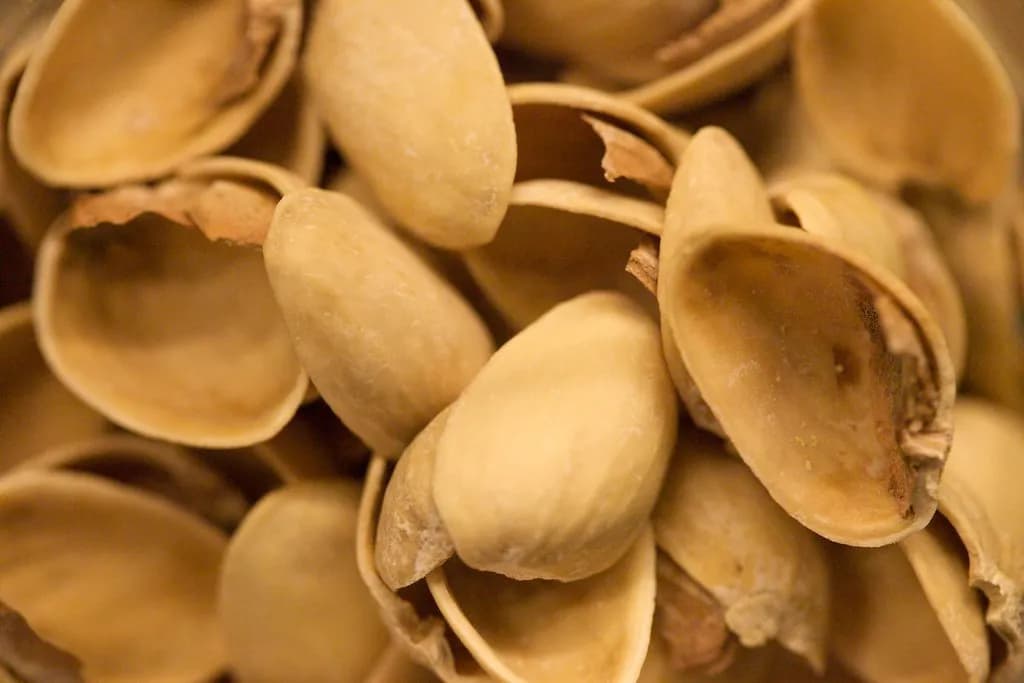
A year and a half after a single TikTok video turned a Dubai chocolate bar into a global phenomenon, the strangest part of the story isn't the chocolate at all. It's what happened to the pistachio.
What began as a supporting ingredient in one viral dessert has become the food world's most in-demand nut, reshaping menus, straining harvests, and turning pistachio flavored into a marketing shortcut that shows up on everything from lattes to croissants.
How much did the pistachio shortage actually raise prices?
The numbers are significant by commodity standards. Pistachio prices climbed from around $7.65 to $10.30 per pound within a year, a nearly 35 percent rise in 2024 driven almost entirely by demand tied to the Dubai chocolate craze, according to Dairy News. The squeeze hit both of the world's major producing regions, the United States and Iran, at once.
Supply has been further complicated by harvest realities on the ground. A reduced US harvest, the world's largest pistachio exporter, pushed more of the crop toward whole in-shell nut sales rather than the shelled kernels chocolatiers need, tightening the specific supply that Dubai-style chocolate production depends on. Iran, the other major exporter, responded by increasing shipments to the UAE by 40 percent in the six months to March, while Turkish suppliers reported hitting full capacity trying to meet new orders tied to the dessert's popularity.
What else has the pistachio boom spread into?
Once a viral chocolate bar proved pistachio could carry a trend on its own, the flavor started showing up everywhere with no real connection to the original knafeh filling. Pistachio lattes, pistachio croissants, pistachio soft serve, and pistachio-crusted cakes have multiplied across bakery and cafe menus well beyond the Middle East, riding the same visual and flavor cues that made the original bar recognizable: that specific shade of matte green, and a sweetness that reads as more sophisticated than vanilla or chocolate alone.
Retailers in multiple markets have started rationing pistachio-based chocolate products as suppliers struggle to keep pace, according to reporting tracked by The AG Center. That scarcity has, in a strange feedback loop, only made pistachio products feel more premium and more desirable, the same dynamic that made the original Dubai chocolate bar so sought after in the first place.
Are all these pistachio products actually using real pistachio?
Not always, and this is where the trend gets murky. As genuine pistachio paste has become harder and more expensive to source, some manufacturers have leaned on cheaper substitutes, thinned-out pastes, artificial coloring, or flavoring designed to mimic pistachio's taste without the cost of the real nut. Consumers chasing the viral bar's exact flavor haven't always gotten it, and complaints about bars that taste more like green food coloring than pistachio have become a recurring theme in online reviews.
Does the pistachio trend have staying power?
Pistachio's appeal was never purely about novelty. It has a genuinely distinctive flavor profile, earthy, slightly sweet, faintly bitter, that holds up well against chocolate, cream, and pastry in ways that few other nuts manage as gracefully. That's part of why it was able to anchor an entire dessert format rather than being a one-note gimmick flavor.
What's less certain is whether global pistachio production can expand fast enough to meet demand without prices climbing further. Pistachio trees take years to mature and bear a full crop, meaning any supply response to today's demand won't show up in volume for several harvest cycles yet. Until then, the humble pistachio, a nut nobody thought about much before December 2023, looks set to remain one of the most consequential ingredients in the entire food industry.
Why can't pistachio farmers just plant more trees to meet demand?
Pistachio trees are a genuinely slow-moving crop. A newly planted tree typically needs somewhere between five and eight years before it produces a commercially meaningful harvest, and full maturity can take longer still. That timeline means today's price spike, however dramatic, can't be fixed with a single planting season the way a shortage of, say, a leafy green or an annual vegetable might be. Farmers deciding to expand orchards now are effectively betting on demand holding steady for the better part of a decade, a real risk given how quickly food trends can fade once a novelty wears off.
Could the pistachio shortage ease if the Dubai chocolate trend fades?
It's possible, but not guaranteed. Even if the original bar's novelty cools, pistachio has now been baked into a much wider range of products, lattes, croissants, ice cream, that didn't exist before the trend took off, meaning demand may not fully retreat to pre-2023 levels even if the original chocolate bar itself becomes less of a cultural phenomenon. That's often how commodity shortages triggered by viral trends play out: the specific product that caused the spike moves on, but the ingredient it popularized keeps a permanently larger footprint on menus than it had before.
Published in The Outspoken Digest
Editorial desk
Outspoken Digest Food DeskCooking, ingredients, restaurants and the economics of what ends up on the table.
Newsletter
The Digest, in your inbox
One edition, sent when it is ready. No noise, and your address is never passed on.
Read Next
More Latest Trends →
Navi Pillay, the South African Jurist Who Led the UN Gaza Inquiry, Wins the 2026 Nobel Peace Prize
Oct 9, 2026/3 min read

Trump Says the US Will Not Attack Iran Before the Midterms, While Tanker Attacks Cut Hormuz Traffic to a Two-Month Low
Oct 9, 2026/3 min read

Russian Strikes Killed 22 in Pryluky and at Least 30 on Two Buses in Kramatorsk Within Two Days
Oct 9, 2026/2 min read

A Year After the Gaza Ceasefire, More Than 100 Aid and Rights Groups Say It Exists in Name Only
Oct 9, 2026/2 min read