Power Suiting Returns, This Time With Controlled Volume
Oversized tailoring is back, but the 2026 version insists on proportion. Tonal dressing does the rest, building an outfit from one colour family instead of contrast.
Thursday, August 6, 2026/4 min read
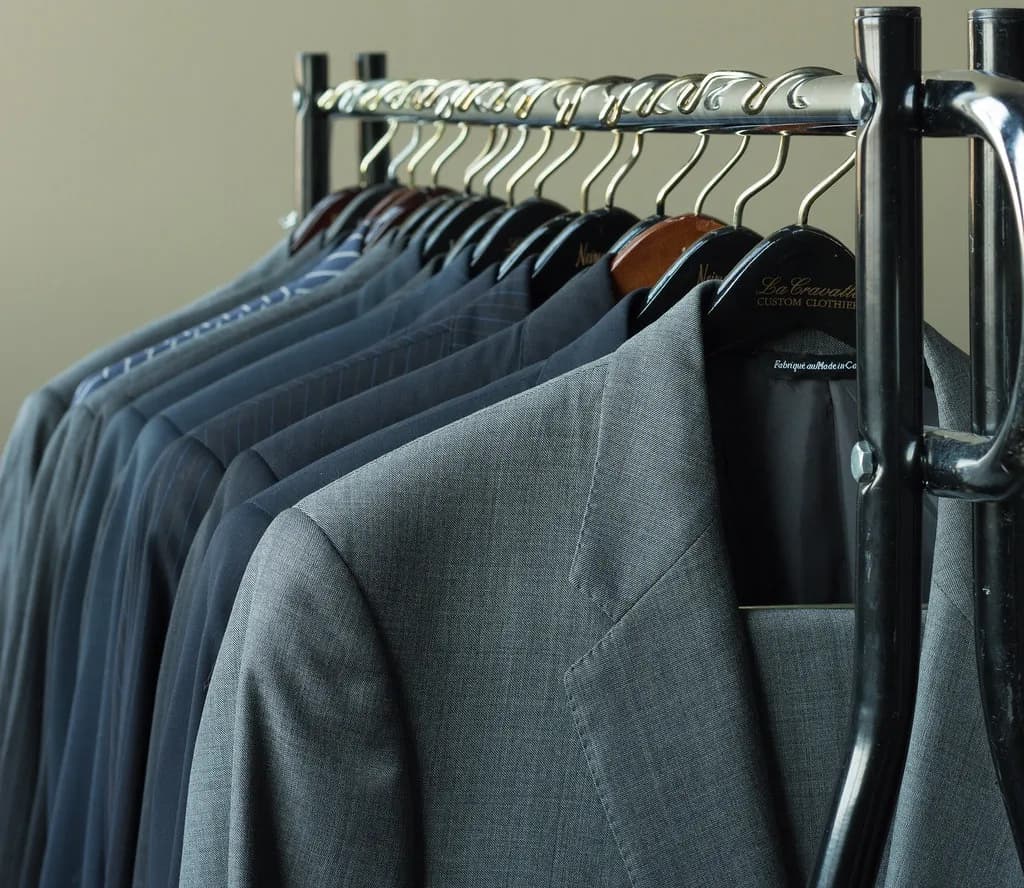
Oversized tailoring has a bad history. Every revival produces a first wave of people wearing suits that simply do not fit, on the theory that the point is bigness.
The 2026 version has learned from that, and the operative phrase in this season's menswear coverage is controlled volume: oversized, but still tailored, as MrGuild's suit trend report puts it.
What controlled volume actually means
It means the excess is placed deliberately rather than distributed evenly.
A shoulder that extends slightly past the natural line, a body with room through the chest, a trouser with a full leg, all anchored by something that still fits: a defined waist, a correct sleeve length, a hem that breaks properly. The garment is generous in two or three places and precise everywhere else.
An actually oversized suit, one bought a size or two up, fails because nothing anchors it. The difference is visible instantly and is mostly about where the shoulder seam sits.
Tonal dressing is doing the heavy lifting
The other half of the story is colour, or rather the deliberate absence of contrast.
Tonal dressing builds the whole outfit within a single colour family, varying shade and texture instead of introducing contrast, according to this 2026 suit style guide. Done well it reads as deliberate rather than matchy.
The technical reason it works with volume is worth understanding. Contrast between garments creates visual breaks that chop a silhouette into segments, and a large silhouette chopped into segments looks larger and less controlled. A single colour family lets the eye read the whole outfit as one shape, which is exactly what an oversized cut needs.
Texture is what stops it becoming flat. Wool against silk against a matte knit, all in one family, gives the depth that contrast would otherwise provide.
The colour that keeps appearing
Brown, and specifically the deep espresso end of it. Benjamin Moore's 2026 colour of the year, Silhouette, blends espresso brown with charcoal undertones and was explicitly inspired by classic tailored suiting.
When a paint company names a colour after tailoring, the tailoring trend has already reached the point of general cultural saturation. That is usually a signal of maturity rather than emergence.
Why now
Power dressing reliably returns during periods of economic uncertainty, and the explanation offered is usually psychological. There is a more practical one.
A suit is the highest cost per wear garment most people own, and it survives trend cycles better than almost anything else in a wardrobe. In a year when people are buying fewer clothes, spending on something with a ten year life is a rational allocation rather than an emotional one.
Tonal dressing supports the same logic. An outfit built within one colour family can be assembled from separates that each work independently, which is a more efficient wardrobe than a set of statement pieces that only work together.
What a tailor can and cannot change
Buying into oversized tailoring is mostly a question of knowing which alterations are cheap and which are impossible.
Sleeve length, trouser hem and taper, and waist suppression are all straightforward. A jacket that is too long in the sleeve and slightly generous through the waist is a good purchase, because both are fixable for modest money.
Shoulder width is not. Reworking a shoulder means dismantling the jacket, and the cost approaches the price of the garment. That makes the shoulder the one measurement to buy correctly, and it is precisely the measurement that oversized tailoring plays with.
The practical rule is to let the volume live in the body and the leg, and to insist on the shoulder sitting where it belongs.
Why tonal dressing is easier than it looks
Building an outfit within one colour family sounds like an advanced move and is closer to the opposite.
Contrast requires judgement about which colours work together. Tonal removes that decision entirely and replaces it with a much simpler one about texture, which is far more forgiving. A wool jacket, a cotton shirt and a knit tie in three shades of the same brown will look considered almost regardless of how carefully they were chosen.
It is also efficient. Every piece works with every other piece, which is the definition of a wardrobe that goes further than the sum of what is in it. Coverage of the year's broader colour direction, including reporting on bold colour and loud luxury, has the two moving in parallel rather than in opposition.
What to watch next
Watch the trouser. Tailoring trends are usually decided there rather than at the jacket, because a jacket silhouette can be adjusted by a tailor and a trouser shape cannot.
If the full leg holds through next season, controlled volume is the settled position rather than a transitional one, and the slim suit stays where it has been for several years now, which is out.
Published in The Outspoken Digest
Newsletter
The Digest, in your inbox
One edition, sent when it is ready. No noise, and your address is never passed on.
Read Next
More Fashion →
Victoria's Secret Fashion Show Heads to Los Angeles on Sunday With an All-Women Lineup and Three Angel Hopefuls
Oct 15, 2026/2 min read
Anthony Vaccarello Is Leaving Saint Laurent After a Decade, and Kering Has Not Yet Named His Successor
Oct 9, 2026/2 min read
Louis Vuitton Closes Paris Fashion Week With Hovering Cars, Paper-Light Dresses and a Louvre Courtyard Cityscape
Oct 7, 2026/2 min read
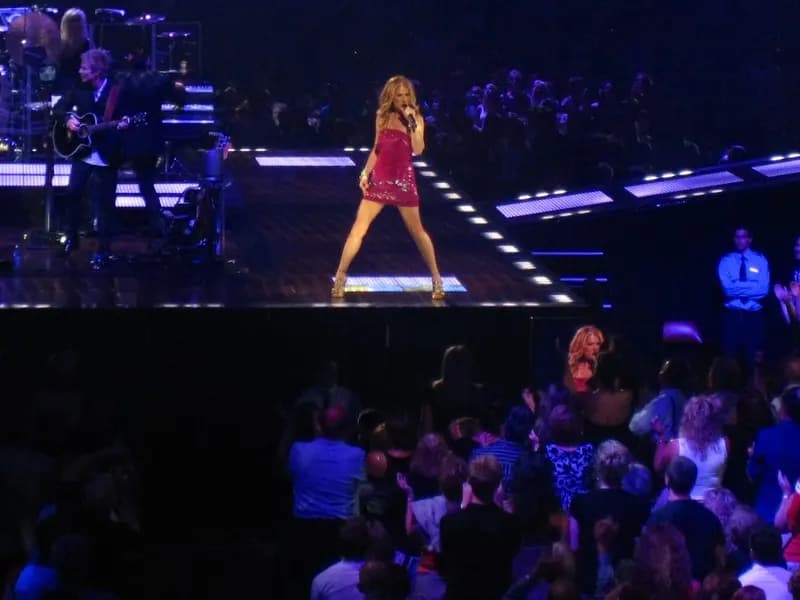
Celine Dion Made a Surprise Return to the Catwalk to Close L'Oreal's Paris Fashion Week Opening Show
Sep 29, 2026/2 min read