Rest Days: What Recovery Actually Requires, and Why Doing Nothing Is Often the Wrong Kind of Rest
Training is the stimulus; adaptation happens in the hours between sessions, and it needs sleep, food and time in roughly that order. Ice baths, compression and massage guns are at the margins. Light movement usually beats the sofa.
Wednesday, April 15, 2026/3 min read
Nobody gets fitter during a workout. A hard session damages muscle fibres, depletes the fuel stored in them, stresses tendons and bone, and raises the hormones that signal the body to repair and, if the stress is repeated, to rebuild stronger. The rebuilding is recovery, it happens in the 24 to 72 hours after the session, and it is the part of training that people with jobs and children cut first. The result is the plateau, the nagging injury, the cold that will not shift and the sense that more effort is producing less. The physical activity guidelines that the NHS publishes speak of minutes per week; the sports scientists who study adaptation speak of the gaps.
Sleep
Sleep is when growth hormone peaks, when muscle protein synthesis runs, and when the nervous system consolidates the motor learning of a skill session. Athletes who sleep less than seven hours are injured more, get ill more and perform worse on almost every measure tested, and extending sleep to nine or ten hours has improved sprint times, shooting accuracy and reaction time in trials with college athletes. The Sleep Foundation's summaries of this literature are consistent: it is the one recovery intervention with a large effect, it is free, and it is the one most often sacrificed to fit a 6 a.m. session in. A person who trains hard and sleeps six hours is, in effect, training for the plateau.
Food
Muscle glycogen refills over about 24 hours on a normal carbohydrate intake, faster if carbohydrate is eaten in the first hours after a session. Protein supplies the raw material for repair; 1.4 to 2 grams per kilogram of body weight per day for people training seriously, spread across meals, is where the evidence sits, and the anxiety about a thirty-minute window after training has largely dissolved; the day's total matters more than the timing. Under-eating is the commonest recovery failure in people trying to lose weight while training, and it shows up as fatigue, poor sleep, lost periods in women and stress fractures in both sexes. Our piece on protein and ageing covers why the requirement rises later in life.
Time, and what kind
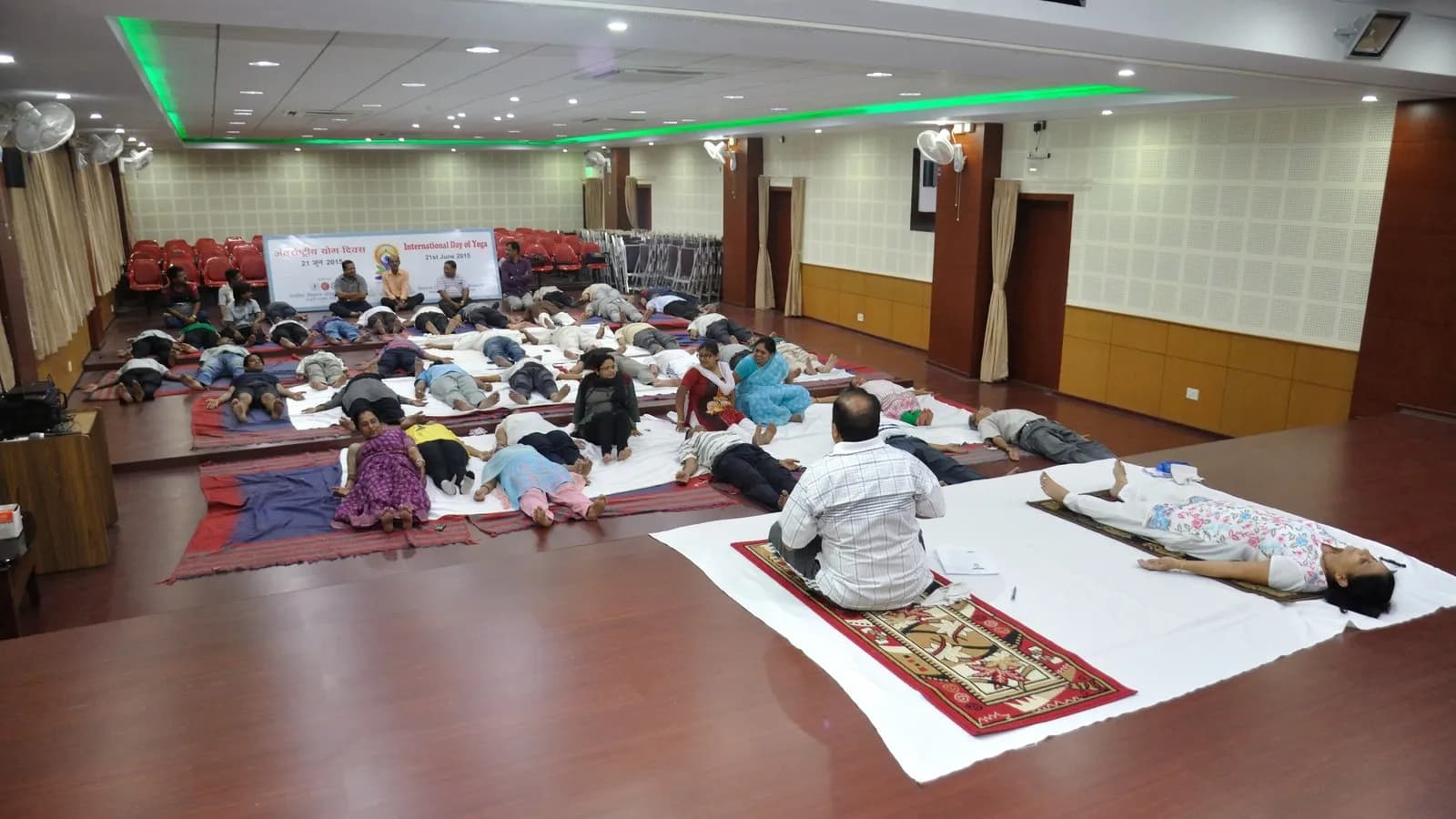
A muscle group loaded hard needs about 48 hours before being loaded hard again, which is the logic of alternating days or alternating body parts. But a rest day does not have to mean stillness. Light activity, a walk, an easy swim, a gentle cycle, an unhurried yoga session, increases blood flow to repairing tissue, reduces the stiffness of delayed-onset soreness, and in most trials leaves people feeling and performing better on the next hard day than complete rest does. The rule of thumb is that active recovery should be easy enough to hold a conversation throughout and short enough not to be a session in disguise. A full day off every week and an easier week every three or four, with volume cut by a third or more, is the structure that endurance coaches have converged on, and it applies to gym training too.
The gadgets
Cold water immersion reduces soreness and, in the short term, helps an athlete feel ready sooner; it also blunts some of the muscle-building signal after strength training, so it belongs after competition or a hard endurance block rather than after every lift. Compression garments have small positive effects on soreness and none on performance. Massage, foam rolling and percussion guns reduce perceived soreness and improve range of motion for a few hours; they do not speed tissue repair. Saunas have a modest evidence base for cardiovascular adaptation and none for recovery as such. Stretching after training does not reduce soreness or injury. None of these is harmful in moderation, and all of them are marginal beside sleep and food; the person who buys a massage gun and sleeps six hours has spent money on the wrong problem.
Knowing when you are not recovered
A resting heart rate several beats above normal on waking, sleep that is worse rather than better after hard training, irritability, a session that feels far harder than the numbers say it should, and a run of minor illnesses are the early signs. The response is an easy week, not a harder one. Overtraining proper, the syndrome that takes months to reverse, is rare in amateurs; under-recovery, the chronic version of the same thing at a lower level, is nearly universal among people who train around a full life. The fix is unglamorous. Go to bed.
Published in The Outspoken Digest
Editorial desk
Outspoken Digest Health DeskMedicine, public health and the research behind the headlines, read carefully.
Newsletter
The Digest, in your inbox
One edition, sent when it is ready. No noise, and your address is never passed on.
Read Next
More Sports →
Russell Tops the Only Practice in Singapore, Then Faces a Back-of-the-Grid Start With Antonelli 84 Points Clear
Oct 9, 2026/2 min read


Brewers and Dodgers Set Up an NLCS Rematch as the Rays Sweep the Yankees
Oct 8, 2026/3 min read

Falcons Run Past Saints 45-24 on Monday Night Football and Spoil the Superdome's Domecoming Anniversary
Oct 6, 2026/2 min read