Ryanair Warns European Fares Will Rise 10 to 20 Percent Next Year as a 2 Billion Euro Fuel Bill Looms
Half-year profit fell 15 percent to 2.15 billion euros as cheap hedges ran out. Michael O'Leary says a temporary pay freeze, fewer crew per flight and more AI are on the table.
Tuesday, November 3, 2026/2 min read
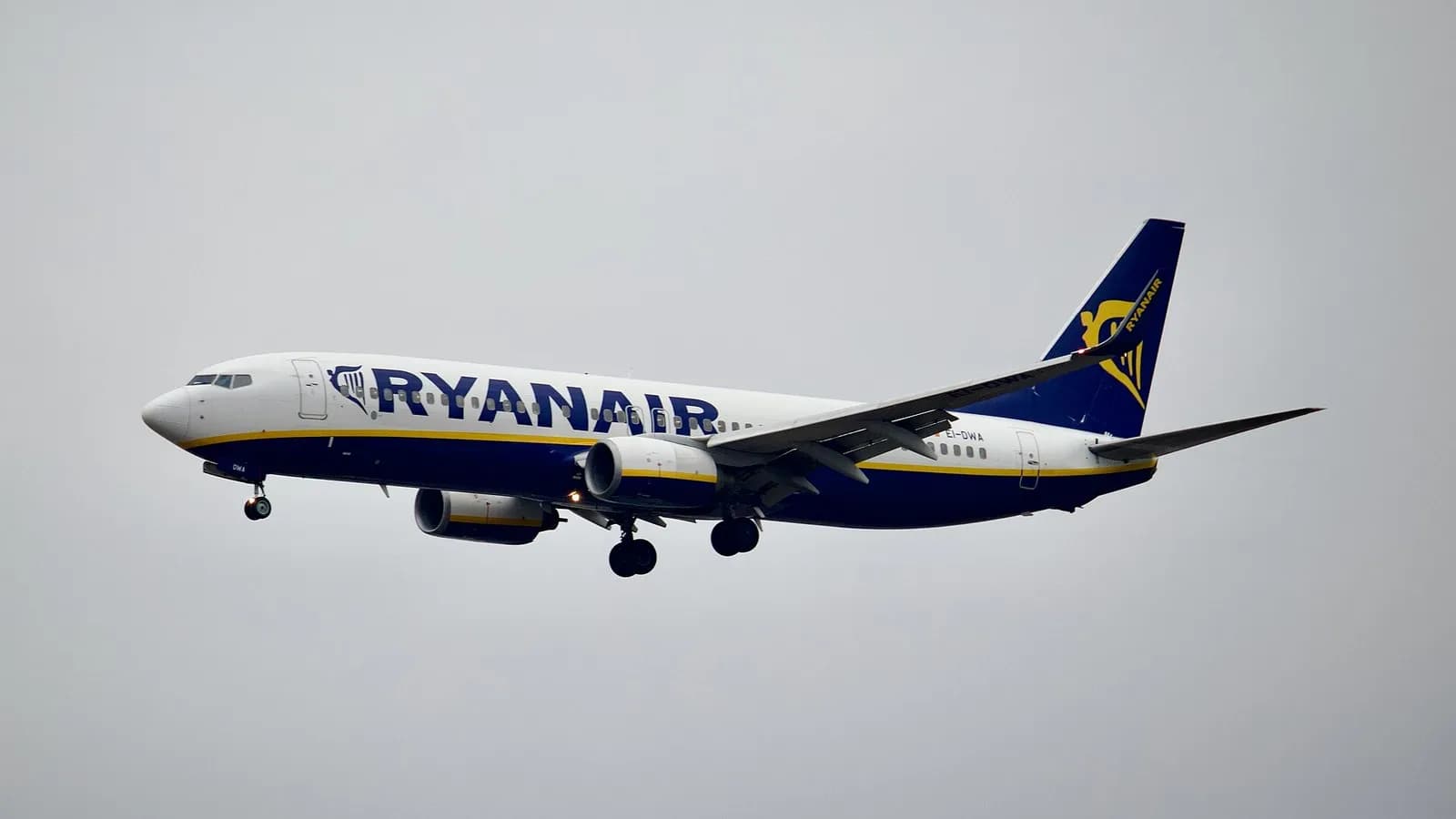
Europe's biggest low-cost airline has told passengers to expect dearer tickets. Ryanair's half-year profit after tax fell 15 percent to 2.15 billion euros in the six months to 30 September, Business Insider reported on Monday, and chief executive Michael O'Leary said the airline expects its fuel bill to rise by about 2 billion euros in the financial year starting next April as its cheap hedges expire.
O'Leary told CNBC he believes air fares across Europe will rise by 10 percent, and perhaps 20 percent, next year, AirlineGeeks reported. Covering Ryanair's own gap would take a fare increase of roughly 20 percent, or about 10 euros a passenger, and on the earnings call he said he was not sure the airline would get that far.
Why is Ryanair's fuel bill rising now?
Hedging has shielded the airline so far. More than 80 percent of its fuel is locked in at about $67 a barrel until next March, while the unhedged remainder has roughly doubled in price to around $130, as high oil prices linked to the Middle East conflict feed through to jet fuel. From April, far less of the airline's consumption is covered, which O'Leary described to CNBC as a cost cliff. Average fares in the half actually fell 4 percent to 55.70 euros while passenger numbers rose 6 percent to 125.8 million, according to the results summary, with revenue up 3 percent to 10.08 billion euros.
What is Ryanair doing about it?
The airline is reviewing every cost line. Temporary pay freezes for staff are under consideration, though no duration has been set; the group employs more than 27,000 people. Ryanair also plans to lower its crew-to-passenger ratio and to expand its use of artificial intelligence in operations and support functions. It has cut its traffic target for the current year from 216 million to 214 million passengers, which means no growth this winter, and intends to shift new capacity toward airports with lower fees.
Growth next year rests on the Boeing 737 MAX 10. Ryanair expects its first 16 of the larger jets, which seat 20 more passengers than the MAX 8, in the early months of 2027 to support about 3 percent growth. It also announced a new 800 million euro share buyback. The shares rose about 2 percent in Europe on the day, a sign investors read the warning as a sector problem rather than a Ryanair one.
What this means for 2027 holiday bookings
Ryanair is not alone. AirlineGeeks noted that Lufthansa is accelerating the shutdown of its CityLine subsidiary and that other European carriers are cutting capacity and retiring older aircraft, while Business Insider said EasyJet is reportedly open to a takeover approach from Apollo Global Management. Less capacity and higher fuel push in the same direction, toward higher fares, and Europe and Asia are more exposed than North America because of their dependence on Gulf oil and thinner domestic refining.
For travellers the practical reading is simple: fares booked now for next summer are priced on today's hedges, and the airline that built its business on 20 euro seats is telling you those seats will cost more once April comes.
Published in The Outspoken Digest
Editorial desk
Outspoken Digest Travel DeskDestinations, airlines, borders and the practicalities of getting there.
Newsletter
The Digest, in your inbox
One edition, sent when it is ready. No noise, and your address is never passed on.
Read Next
More Travel →
Naples Airport Shuts for All of November for a New Runway, With 15 Routes Moving to Salerno and a 12 Euro Shuttle
Oct 30, 2026/2 min read

Thailand's Tourist Arrivals Are Down 4.1 Percent This Year While Its Hotels Keep Expanding
Oct 30, 2026/2 min read
KLM, Finnair and Wizz Air Skip Dubai Until March as Lufthansa Pushes Its Return to 25 November
Oct 29, 2026/2 min read

British Airways Is Back in Sri Lanka: The First Gatwick to Colombo Flight Lands After 10 Years
Oct 24, 2026/2 min read