CDC and FDA Link Salmonella Illnesses in 12 States to Raw Oysters From Virginia's Little Wicomico River
Twenty-seven people are sick and five were hospitalised, and the recalled shellfish went to restaurants and retailers in 15 states and Washington, DC. Here is what to check.
Tuesday, October 20, 2026/2 min read
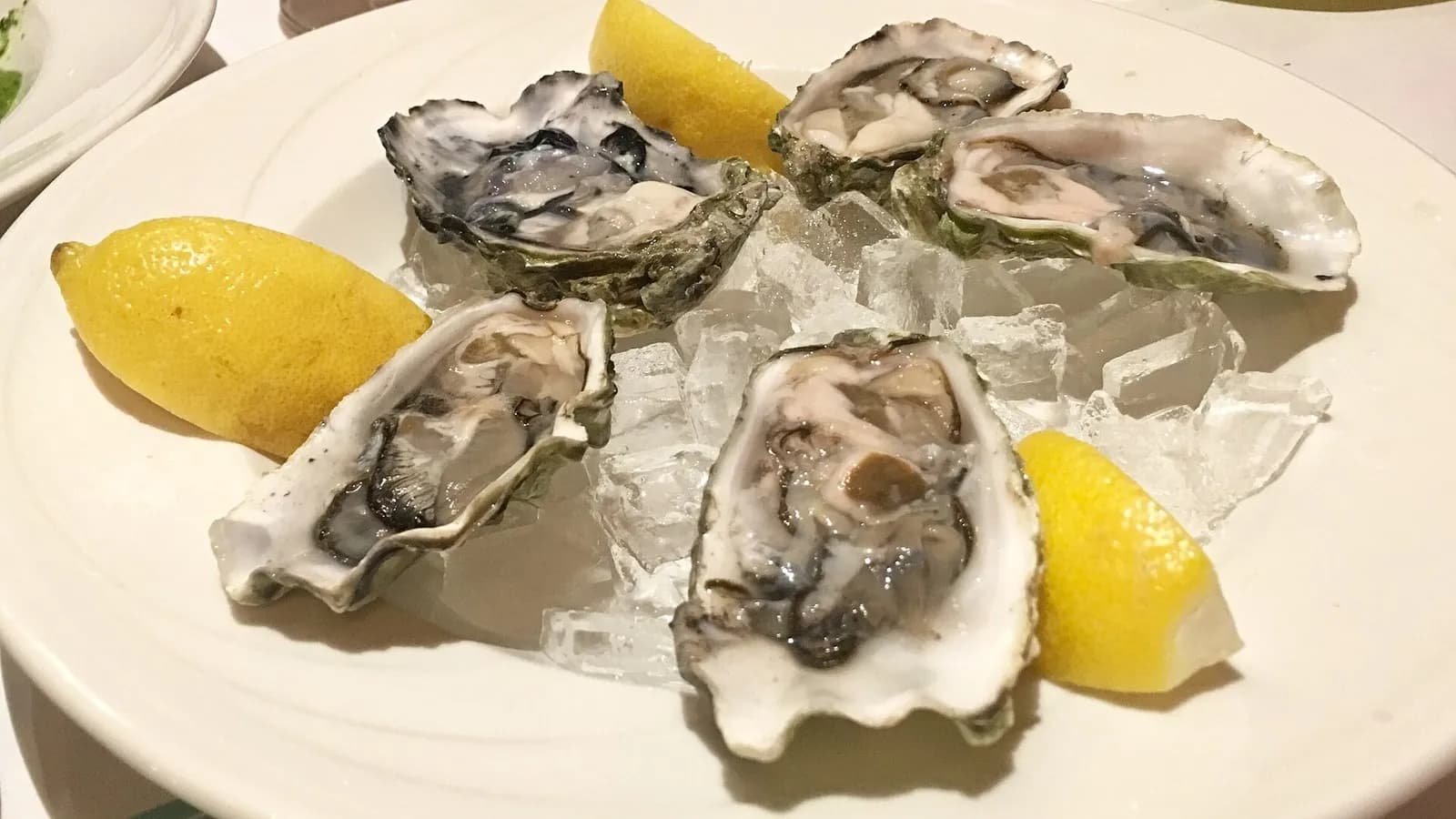
Federal health officials say raw oysters harvested from the Little Wicomico River in Virginia are the suspected source of a Salmonella outbreak that has sickened 27 people in 12 states. The Centers for Disease Control and Prevention posted an update on 19 October, and the Food and Drug Administration has issued a safety alert for the same shellfish.
The advice from both is the same: do not eat, serve or sell the recalled oysters from the Little Wicomico Oyster Company, listed as VA-1421-SP, the FDA said.
What do we know about the outbreak?
Five of the 21 people with available information, or 24 percent, were hospitalised, and no deaths have been reported, the CDC said. Illnesses began between 29 May and 14 September 2026. The strain is Salmonella Telelkebir.
The evidence points at oysters. Ten of 13 people interviewed, 77 percent, said they ate raw oysters. Among seven ill people included in the traceback, those oysters were the only food source they had in common, the CDC said. One oyster sample from Pennsylvania, harvested by the same company from the same river, tested positive for Salmonella, and sequencing to see whether it matches the outbreak strain is pending.
The CDC cautions that the true number of sick people is likely higher and that the outbreak may extend beyond the states with known cases.
Which oysters are recalled and where did they go?
The FDA lists whole oysters in the shell, known as shellstock, harvested from the Little Wicomico River from 18 September through 8 October 2026. They were distributed to California, Colorado, Connecticut, Florida, Georgia, Illinois, Maryland, Missouri, North Carolina, New Jersey, Nevada, New York, Pennsylvania, Texas and Virginia, plus Washington, DC, and may have been sent on further. The CDC page does not list recalled lot numbers, so the FDA's identification of the producer and the harvest window is the guide.
What are the symptoms and who is most at risk?
Illness usually starts 12 to 72 hours after eating contaminated food and lasts four to seven days, the FDA said. Symptoms include diarrhoea, fever and abdominal cramps. Children under five, older adults and people with weakened immune systems are more likely to develop severe infections. Contaminated food can look, smell and taste normal, the agency warned.
Anyone who has the recalled oysters should dispose of them or contact their distributor, clean and sanitise surfaces and containers that touched them, and contact a health care provider if they ate them or have symptoms.
This article is reporting, not medical advice. Questions about symptoms, treatment or whether you or a family member is at higher risk belong with a clinician who knows your history. The next update to watch is the sequencing result on the Pennsylvania sample, which would tie the lab evidence to the illnesses.
Published in The Outspoken Digest
Editorial desk
Outspoken Digest Health DeskMedicine, public health and the research behind the headlines, read carefully.
Newsletter
The Digest, in your inbox
One edition, sent when it is ready. No noise, and your address is never passed on.
Read Next
More Health →
A Night-Owl Subtype of Depression Appears to Start Earlier, Hit Harder and Respond Worse to Common Antidepressants
Oct 21, 2026/2 min read
FDA Approves Dostarlimab for dMMR Rectal Cancer, an Option That May Spare Some Patients Surgery
Oct 19, 2026/2 min read
Kenya's Ebola Count Rises to Seven After Three Health Workers Who Treated the First Patient Test Positive
Oct 17, 2026/2 min read
BMJ Analysis Warns Fast-Growing Private Testosterone Prescribing Could Land on the NHS
Oct 14, 2026/2 min read