Samke Harra: Lebanese Fish Under Chilli, Citrus and Coriander
The name means spicy fish and undersells it. A tahini and coriander sauce sharpened with chilli and lemon does most of the work, and the fish only has to be fresh.
Saturday, August 1, 2026/3 min read
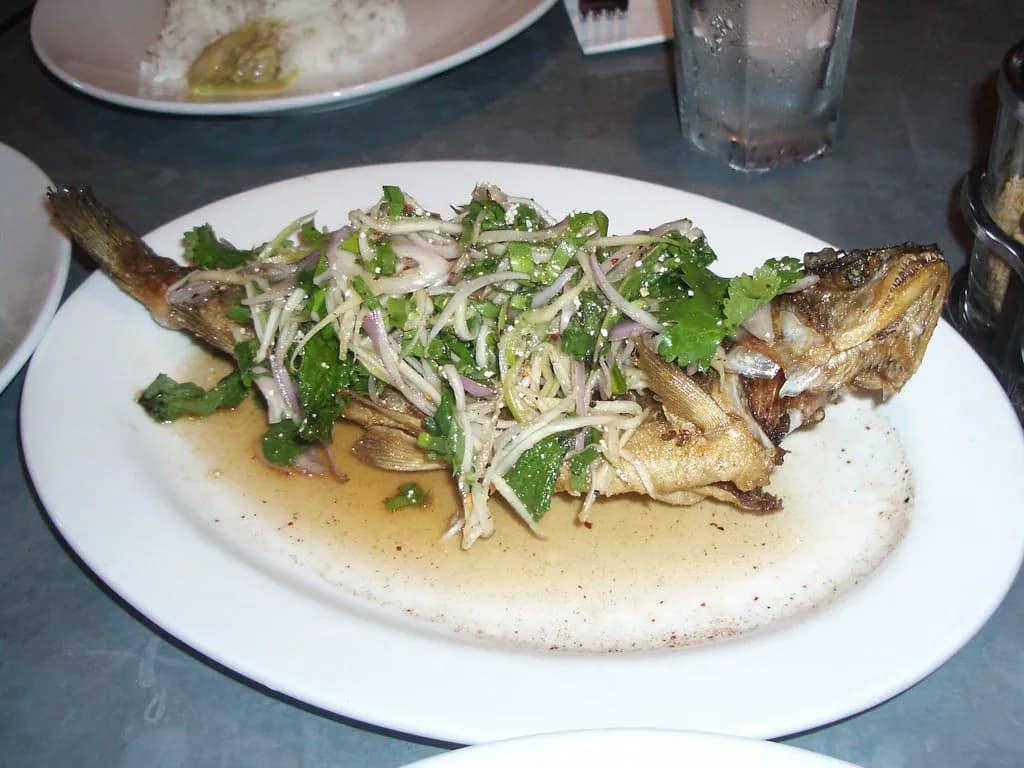
Most Lebanese cooking that reaches the rest of the world comes from the mountains and the cities: mezze, grilled meat, bread. The coast eats differently, and samke harra is the clearest argument for paying attention to it.
The dish is fish marinated and dressed with chilli, citrus and coriander, as The Matbakh's guide to traditional Lebanese dishes describes it. The name translates as spicy fish, which is accurate and does not capture much. What makes it distinctive is that the heat sits inside a tahini sauce, so the chilli arrives cushioned by sesame rather than sharp on its own.
It is a whole fish dish by tradition, presented at the table with the sauce poured over and walnuts and coriander scattered on top. Lebanese cuisine has a long documented history of this kind of coastal cooking alongside its better known mountain repertoire, surveyed in this overview of the cuisine. Fillets work perfectly well and are considerably easier on a weeknight.
Ingredients
Serves 4. Total time: 50 minutes, plus 20 minutes marinating.
- 1 whole sea bass or sea bream, about 1.2 kg, cleaned and scaled, or 4 thick white fish fillets
- 2 tbsp olive oil, plus more for the dish
- Juice of 2 lemons, divided
- 1.5 tsp ground cumin
- 1 tsp salt
- 150 g tahini, well stirred
- 120 ml cold water, plus more to loosen
- 6 garlic cloves, crushed to a paste with a pinch of salt
- 1 large bunch coriander, about 60 g, leaves and fine stalks chopped
- 1 to 2 red chillies, finely chopped, seeds in or out to taste
- 1 tsp Aleppo pepper or mild chilli flakes
- 60 g walnuts, roughly chopped
- 2 tbsp pine nuts, toasted
Method
- Pat the fish thoroughly dry. Slash a whole fish two or three times on each side down to the bone, which helps it cook evenly and lets the seasoning reach the flesh.
- Rub it with the olive oil, the juice of one lemon, the cumin and the salt, working some into the slashes and the cavity. Leave 20 minutes at room temperature.
- Heat the oven to 200C fan. Roast the whole fish on an oiled dish for 25 to 30 minutes, or fillets for 12 to 15, until the flesh is opaque and comes away from the bone cleanly.
- While it roasts, make the sauce. Whisk the tahini with the cold water a little at a time. It will seize into a stiff paste before loosening, which is normal and not a mistake. Keep going until it pours thickly.
- Stir in the garlic paste, the remaining lemon juice, most of the chopped coriander, the fresh chilli and the Aleppo pepper. Season with salt and taste. It should be sharp, garlicky and assertive, since it has a whole fish to season.
- Warm the sauce very gently in a small pan for 3 to 4 minutes, stirring constantly. Do not let it boil. Tahini splits over direct heat and separates into grainy solids and oil.
- Pour the warm sauce over the roasted fish, letting it settle into the slashes and pool around the dish.
- Scatter the walnuts, pine nuts and remaining coriander over the top and serve immediately, with rice or flatbread and lemon wedges.
Notes, swaps and keeping
Any firm white fish works: sea bass, bream, cod loin, hake. Oily fish such as mackerel fights the tahini rather than supporting it, so avoid them here.
The sauce is the dish, so treat the tahini seriously. A fresh, pourable, nutty tahini gives a completely different result from an old, stiff, bitter one, and no amount of lemon fixes the second. Stir the jar thoroughly before measuring, since the oil separates and the paste at the bottom behaves differently from the oil at the top.
Control the heat through the fresh chilli rather than the Aleppo pepper, which is more about fruitiness than fire. Removing the seeds takes most of the sting out while keeping the flavour.
Make the sauce up to two days ahead and keep it refrigerated, then warm it gently and loosen with water, since it thickens considerably when cold. Leftover fish keeps a day and is very good cold, flaked into flatbread with extra sauce and a handful of parsley.
Published in The Outspoken Digest
Editorial desk
Outspoken Digest Food DeskCooking, ingredients, restaurants and the economics of what ends up on the table.
Newsletter
The Digest, in your inbox
One edition, sent when it is ready. No noise, and your address is never passed on.
Read Next
More Recipes →
Cheesy Ramen on the Stove: Instant Noodles in a Real Cheese Sauce in Ten Minutes
Oct 18, 2026/3 min read
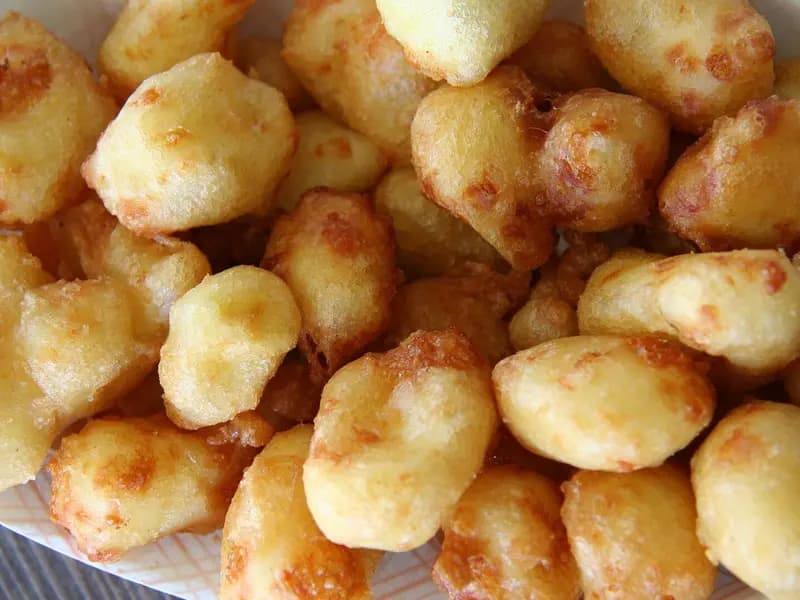
Beer-Battered Jalapeno Cheese Curds: The Wisconsin Bar Snack, Fried Properly at Home
Oct 18, 2026/3 min read
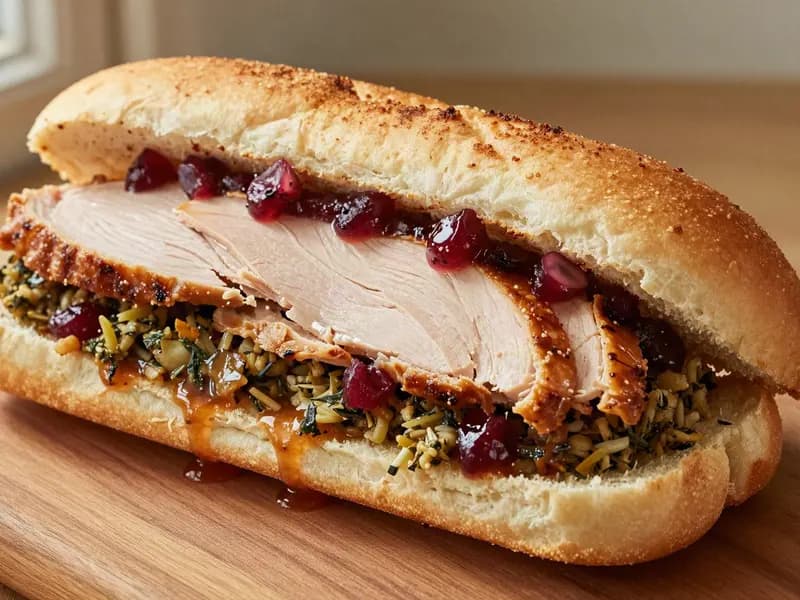
A Thanksgiving Turkey Sub With Hot Stuffing, Cranberry and Gravy to Dip
Oct 17, 2026/3 min read

Pecan Pie Bars With a Shortbread Base and a Caramel Filling That Slices Cleanly
Oct 17, 2026/3 min read