Saudi Arabia 2034: Inside the Gulf's Long Game in World Sport
A record-high bid score, five host cities and a 92,000-seat stadium. Saudi Arabia's World Cup win is one piece of a much bigger plan.
Friday, March 14, 2025/3 min read
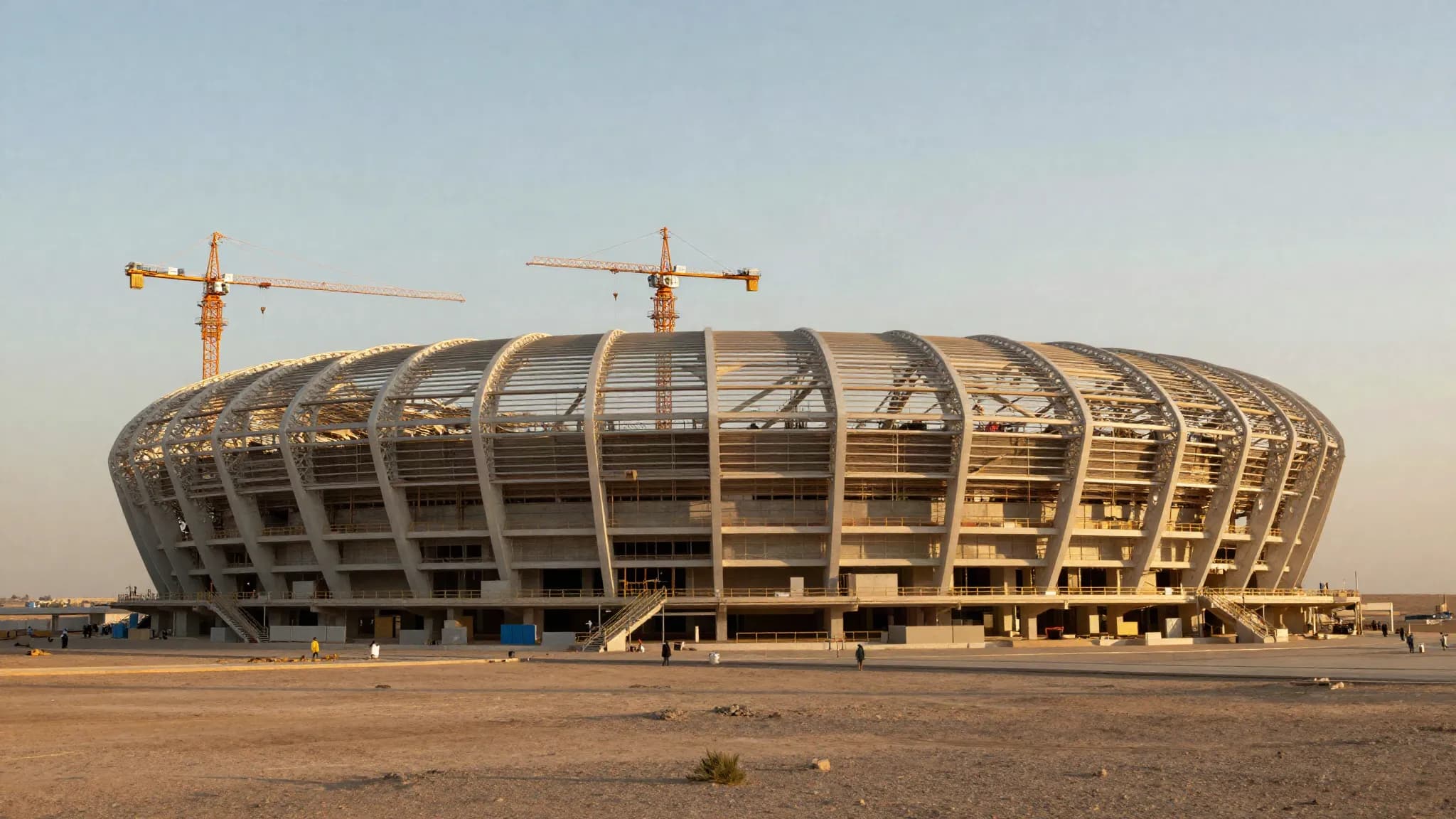
When FIFA finally confirmed Saudi Arabia as host of the 2034 World Cup, the bid did not just win. It won with the highest evaluation score in the tournament's bidding history, 419.8 out of 500 points, a margin that left little room for anyone to frame the decision as close. For a country that had no World Cup hosting history at all a decade earlier, it is a striking marker of how fast the kingdom's sporting ambitions have moved.
The bid was submitted under the slogan 'Growing Together' after FIFA opened the process to bids exclusively from Asia and Oceania, effectively clearing Saudi Arabia's path. But the number on the scorecard matters less than what it is attached to: a sporting infrastructure plan that treats the World Cup as one installment in a much longer campaign.
What will Saudi Arabia actually build for 2034?
Matches will be staged across five cities: Riyadh, Jeddah, Khobar, Abha and the futuristic development of NEOM, spread over fifteen stadiums, eleven of them built from scratch. The centerpiece is the new King Salman Stadium in Riyadh, designed to hold more than 92,000 people and slated to host both the opening match and the final. It is a scale of construction that dwarfs most previous World Cup buildouts, and it is arriving in a country that, as recently as the 2018 tournament, had never hosted a major FIFA event of any kind.
How does the World Cup fit into Saudi Arabia's Vision 2030 plan?
The World Cup win is explicitly tied to Vision 2030, the kingdom's broader plan to diversify its economy away from oil. Saudi state media has framed the sports sector as a deliberate economic pillar, not a side project, with the hosting rights functioning as both a showcase and an accelerant for investment already under way. According to reporting on the kingdom's plans, the Saudi sports industry is currently valued at roughly eight billion dollars and is targeted to reach 22.4 billion dollars by 2030, a projection that treats 2034 less as an endpoint and more as a milestone along a much longer curve.
How was the bid actually won?
The path to hosting rights was not just about stadium blueprints. Reporting from NBC New York detailed a network of spending and influence built in the years before the vote, including more than nine hundred sponsorship deals, over a third of them traced back to the kingdom's 925 billion dollar sovereign wealth fund, alongside a web of officials holding overlapping state, business and sports roles. It is a strategy that treats sponsorship, governance and hosting rights as parts of the same machine rather than separate tracks.
What comes next before 2034?
Saudi Arabia is not waiting nine years to build sporting credibility. The kingdom is also set to host the 2027 AFC Asian Cup, and The National's reporting on the kingdom's evolving sports strategy points to parallel bets across esports and the Qiddiya entertainment megacity, all feeding the same broader ambition of becoming a permanent fixture on the global sporting calendar rather than a one-tournament host.
Whether the returns match the scale of the spending is a question that will not be answered for years. But the direction is no longer ambiguous. As one industry outlook put it, this is a big bet, and Saudi Arabia has structured its entire sporting calendar around making sure the world is watching long before the opening match in Riyadh.
Published in The Outspoken Digest
Newsletter
The Digest, in your inbox
One edition, sent when it is ready. No noise, and your address is never passed on.
Read Next
More Sports →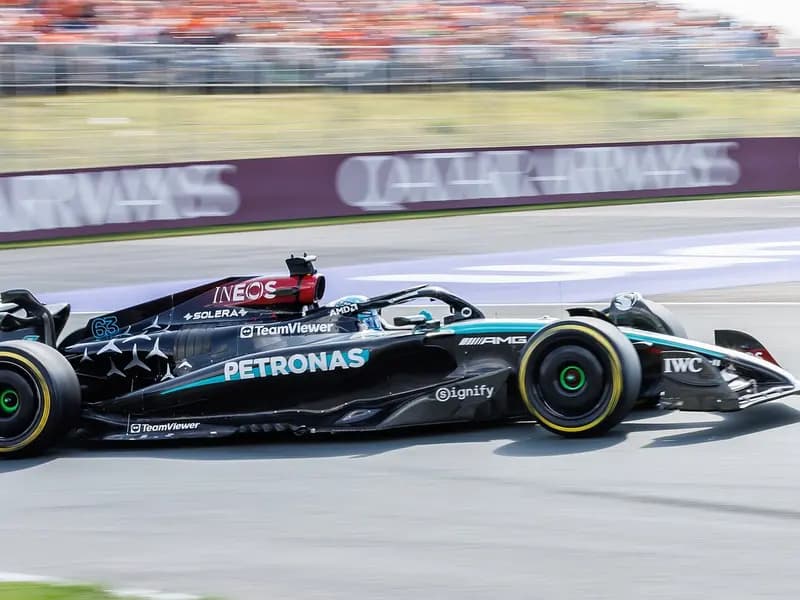
Russell Tops the Only Practice in Singapore, Then Faces a Back-of-the-Grid Start With Antonelli 84 Points Clear
Oct 9, 2026/2 min read
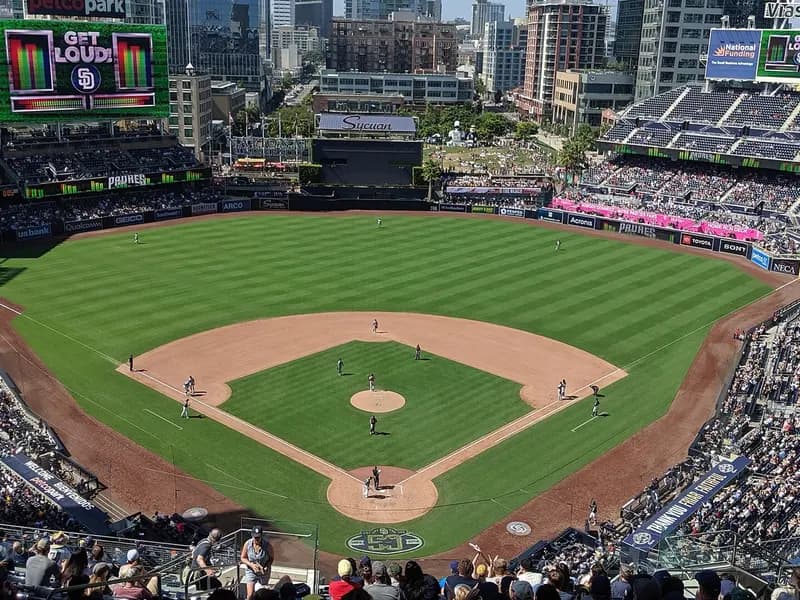
Brewers and Dodgers Set Up an NLCS Rematch as the Rays Sweep the Yankees
Oct 8, 2026/3 min read
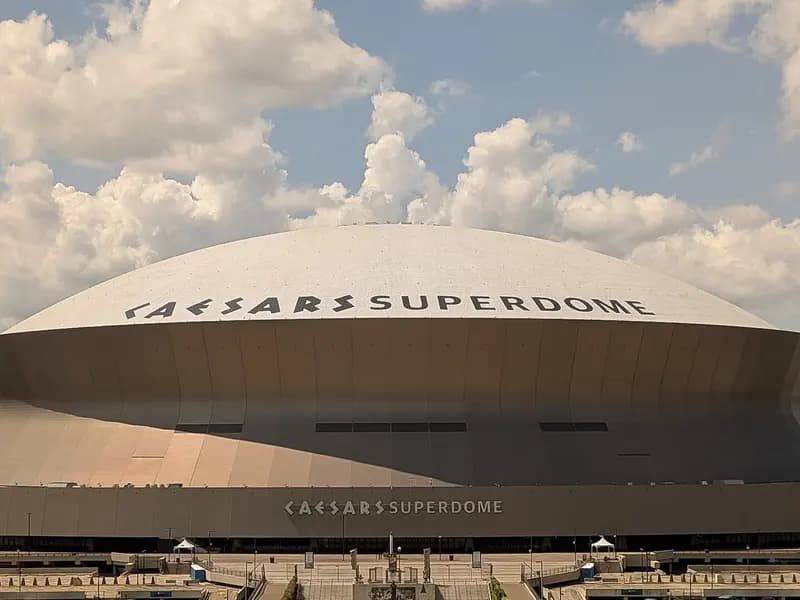
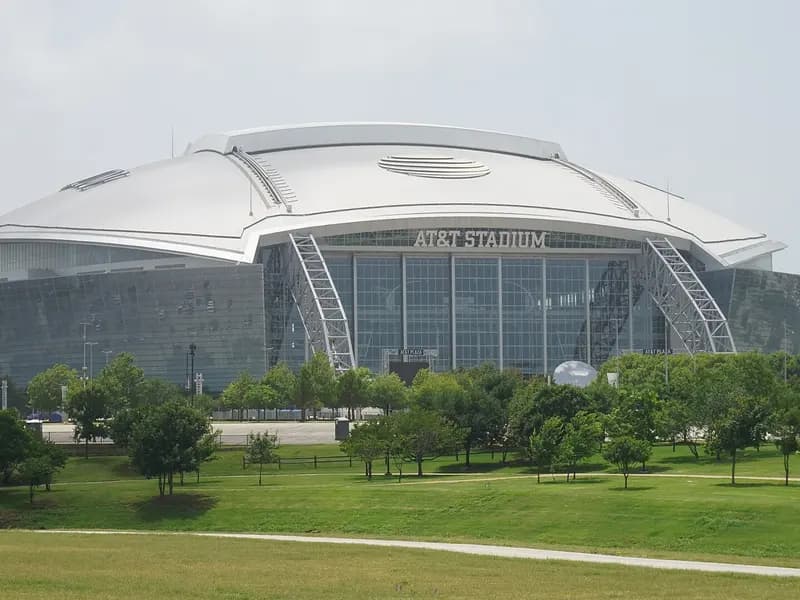
Falcons Run Past Saints 45-24 on Monday Night Football and Spoil the Superdome's Domecoming Anniversary
Oct 6, 2026/2 min read