The Saudi Pro League Is Selling More Players Than It Buys
With the season opening on 13 August, outgoing transfers outnumber incoming ones by a wide margin and summer spending sits far below the headline years. That is a strategy shift, not a slowdown.
Saturday, August 8, 2026/3 min read
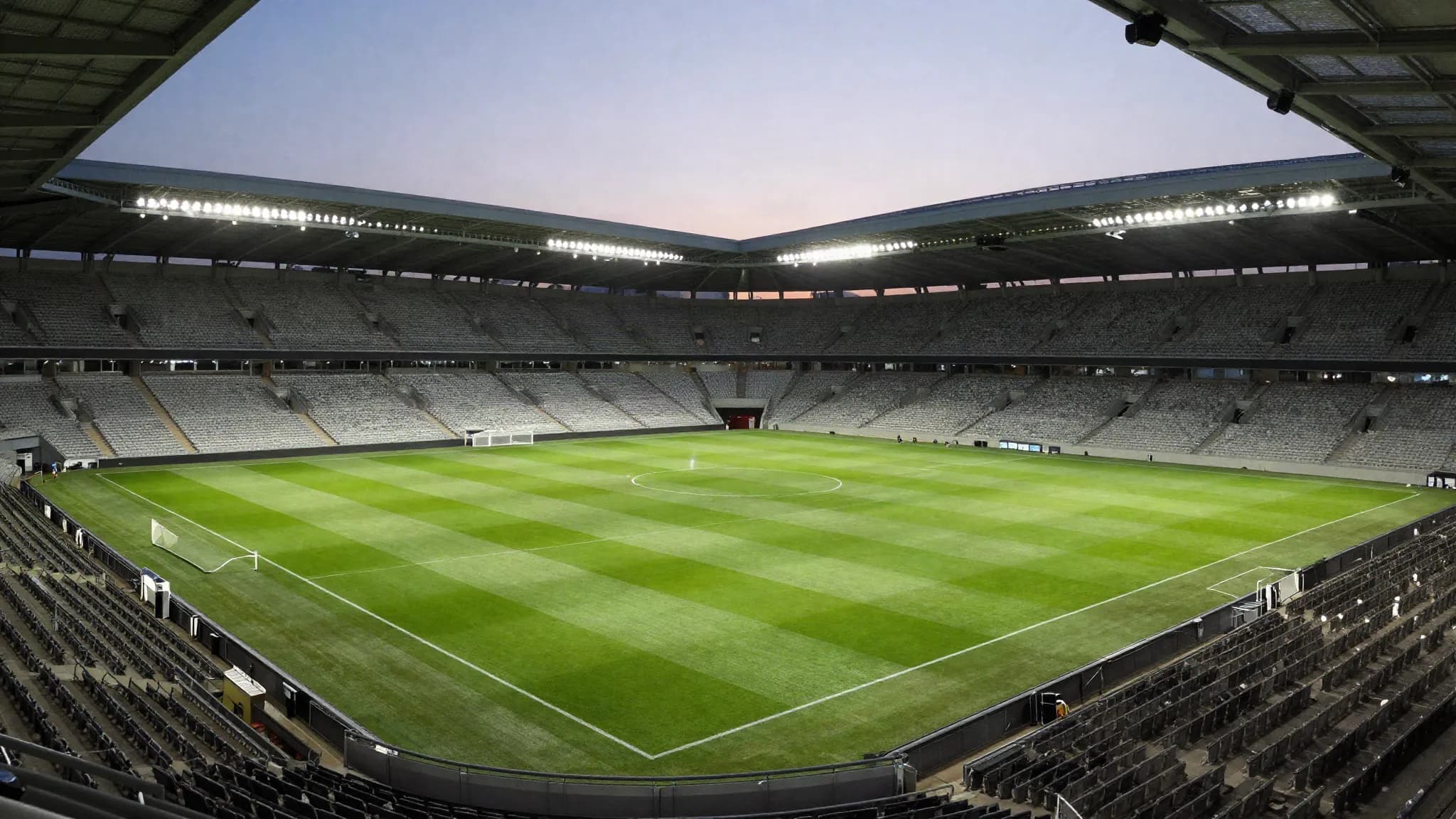
The Roshn Saudi League opens on 13 August, and the transfer numbers ahead of it look nothing like the ones that made the competition famous.
Incoming players have reached 107. Outgoing players have reached 154. Summer spending across the league has been reported at around 57 million dollars, according to Arab News, with the window running until 6 September.
More players leaving than arriving, and a spending figure that would once have covered a single signing. Something has changed, and it is worth being precise about what.
The arithmetic of a squad correction
A net outflow of that size is what happens after an expansion phase, not during a retreat.
When clubs sign aggressively over consecutive windows, squads inflate. Rosters fill with expensive players who are not starting, wage bills carry contracts agreed in a bidding environment, and homegrown players get squeezed out of minutes they need.
The correction is unglamorous: move on the surplus, free the wage budget, restore squad balance. That is a normal phase of the cycle and every league that has spent heavily has been through it.
The 154 figure is not evidence that the project failed. It is evidence that the project reached the point where it had to be tidied.
Why the spending number is misleading on its own
Fifty-seven million dollars sounds like a collapse against previous summers. Two things complicate the reading.
First, the window remains open until 6 September, and the league's own transfer watch is still tracking active business. Late windows are where large fees land, because selling clubs hold out and buying clubs run out of alternatives.
Second, transfer fees are the smaller half of the cost. Wages are the larger and more durable commitment. A league can hold fees down while still paying at the top of the global market, and the fee total tells you nothing about that.
Judging a recruitment strategy on fees alone is like judging a household by its deposit rather than its mortgage.
The pursuit that shows the new approach
Al-Hilal have been reported as pressing hard for the France forward Ousmane Dembele, with the situation taking an unexpected turn, and Everton's Iliman Ndiaye named among alternative targets if the primary move does not complete.
Nothing there is confirmed, and reported interest is not a signing. But the shape of it is informative: one clearly defined positional need, a first-choice target, and a fallback who is younger and cheaper rather than merely famous.
That is ordinary elite recruitment. The earlier phase was characterised by opportunistic acquisition of available stars. Identifying a position and working a list is a different discipline, and a more sustainable one.
Bigger names continue to circulate in speculation. Speculation is what August produces in every league on earth, and most of it expires quietly.
What the outgoing 154 will decide
The interesting question is not who arrives. It is where the departures go.
If a substantial share move to competitive leagues on permanent deals, the league has established itself as a place players can join and leave without damaging their careers. That two-way traffic is what separates a functioning market from a destination that is treated as an endpoint.
If instead most departures are loans, contract terminations and returns to previous clubs, then the league is unwinding decisions rather than trading.
The same logic applies to minutes. The stated purpose of the whole project was to raise the standard of Saudi football, and that only happens if the space created by 154 departures is filled by domestic players who play rather than by 107 replacements from elsewhere.
What to watch from 13 August
Three markers, none of them a transfer fee.
The minutes given to Saudi players in the opening month, particularly in the clubs that spent most heavily in earlier windows. The wage bill trend at those same clubs, which usually surfaces in annual accounts rather than in August. And whether the late window produces the marquee arrival that the current total lacks.
A league that spends less and develops more would be a better league than the one that made the headlines. Whether that is what is happening, rather than simply a pause, is the thing the season will answer.
Published in The Outspoken Digest
Newsletter
The Digest, in your inbox
One edition, sent when it is ready. No noise, and your address is never passed on.
Read Next
More Sports →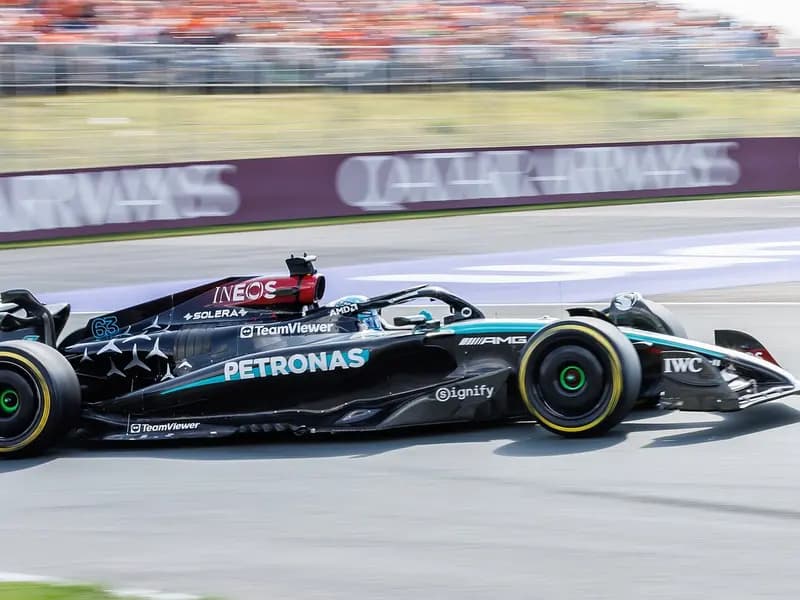
Russell Tops the Only Practice in Singapore, Then Faces a Back-of-the-Grid Start With Antonelli 84 Points Clear
Oct 9, 2026/2 min read
Brewers and Dodgers Set Up an NLCS Rematch as the Rays Sweep the Yankees
Oct 8, 2026/3 min read

Falcons Run Past Saints 45-24 on Monday Night Football and Spoil the Superdome's Domecoming Anniversary
Oct 6, 2026/2 min read