When Scientists Dive, Credentials Do Not Remove the Risk
Research divers work under formal scientific diving safety standards, but a marine science background does not make deep or technical diving inherently safer to attempt.
Sunday, June 14, 2026/3 min read
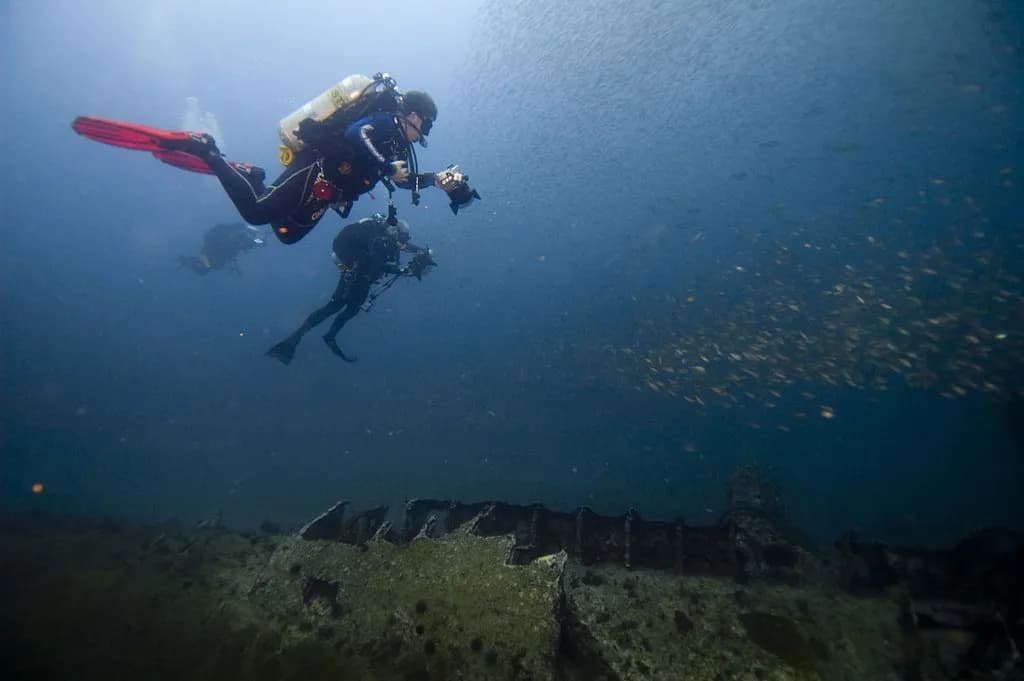
A marine biologist and a recreational diver can be looking at the same reef, wearing the same brand of regulator, breathing from the same style of tank, and still be operating under two entirely different sets of rules. Scientific diving, the practice of using scuba as a tool for research rather than recreation, runs on its own formal safety framework, built specifically because a research goal can quietly pull a diver toward more risk than a leisure dive would.
This matters beyond academic interest. Several of the divers who died in the Maldives cave tragedy in May 2026 were marine researchers, not tourists, a detail widely reported at the time. This article is not an assessment of that specific incident, which remains under investigation. It is a look at how scientific diving safety is actually structured, and why expertise in marine science does not automatically translate into expertise in the specific hazards of deep or overhead diving.
What makes scientific diving different from recreational diving
In the United States, the primary framework governing this kind of diving comes from the American Academy of Underwater Sciences, or AAUS. According to AAUS's own description of its standards, these are consensual minimum standards, and meeting them is a requirement for an institution's organisational membership in the Academy. Crucially, in 1982 the US Occupational Safety and Health Administration exempted scientific diving conducted under these standards from the stricter regulatory regime that governs commercial diving, on the understanding that the scientific community would maintain its own rigorous peer-reviewed safety framework instead.
The diving safety manual every institution needs
Under the AAUS model, each member institution is required to develop and maintain its own diving safety manual, addressing training requirements, environmental and working conditions specific to that institution's research, and the procedures governing its divers. Documentation from research diving programs at universities including the University of Miami and the University of West Florida shows these manuals covering everything from medical fitness standards to depth certifications specific to the type of research being conducted, reviewed and maintained on an ongoing basis rather than treated as a one-time sign-off.
Medical standards that apply regardless of scientific expertise
The medical bar for scientific diving is not adjusted based on a researcher's academic credentials. Standard requirements, as outlined in Boston University's scientific diving safety manual and in the AAUS's broader standards documentation, include freedom from cardiovascular and respiratory disease and a confirmed ability of the lungs, middle ears and sinuses to equalise pressure safely. A world-class marine biologist with a cardiac risk factor is held to the same medical exclusion as anyone else. The standard exists to manage physiological risk, not to certify scientific competence.
Why expertise in one domain does not transfer to another
The core tension in scientific diving safety is this: a researcher can be an authority on reef ecosystems, marine biodiversity or underwater archaeology and still be relatively inexperienced in the specific technical demands of a deep, overhead, or otherwise hazardous dive environment. Research diving programs address this directly by certifying divers for specific depths, environments and equipment configurations, rather than issuing a single blanket clearance based on someone's academic standing. A diver cleared for shallow reef survey work under an institution's program is not automatically cleared for cave penetration or deep technical work; those require separate, additional certification within the same framework, exactly as they would for a non-scientist diver.
The general lesson, stated plainly
None of this is a comment on any specific individual or incident. It is a structural point about how the diving world, including its most safety-conscious corner, treats expertise. Scientific credentials establish that a person understands what they are looking at underwater. They do not, on their own, establish that a person is trained for the specific hazards of the environment they are diving in to look at it. That is precisely why formal scientific diving programs exist as a parallel structure to academic training rather than an extension of it, and why serious research institutions maintain separate certification tracks for depth, overhead environments and technical gas use. This is journalism about how those standards work, not instruction in how to meet them. Anyone pursuing research diving should train through an accredited program and a certified instructor.
Published in The Outspoken Digest
Editorial desk
Outspoken Digest Diving DeskCovers freediving, recreational and technical diving, dive medicine and the incidents the sport learns from.
Newsletter
The Digest, in your inbox
One edition, sent when it is ready. No noise, and your address is never passed on.
Read Next
More Diving →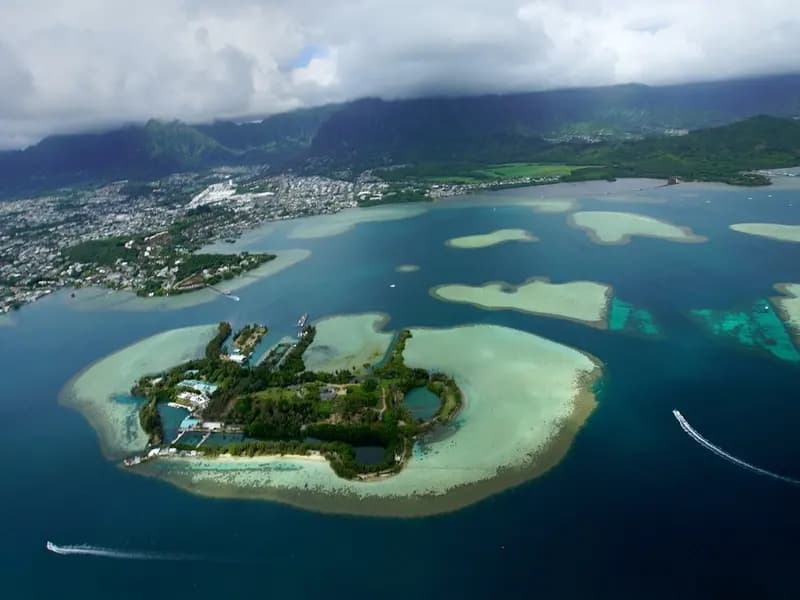
Playing Recordings of a Healthy Reef Drew More Coral and Fish Larvae to Artificial Structures Off Hawaii
Oct 9, 2026/3 min read
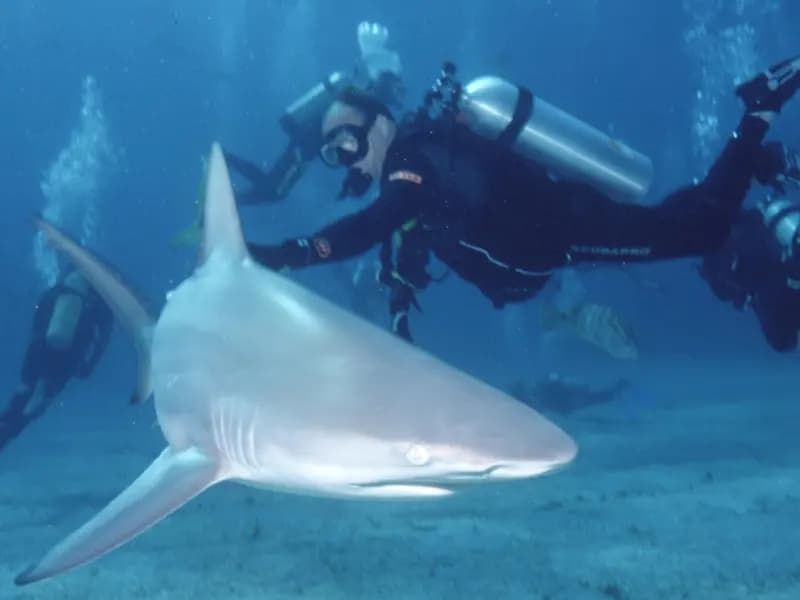
Blacktip Sharks Can Hear a Sound From Nearly 250 Feet Away and Swim Straight Toward or Away From It
Oct 1, 2026/2 min read
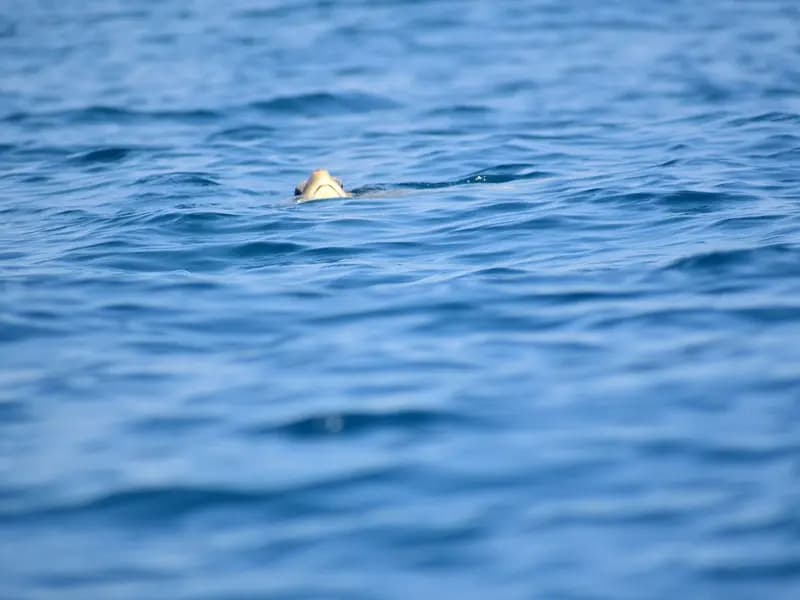
A Sea Turtle Species Never Recorded Nesting in the United States Laid Eggs on a Southern California Beach
Oct 1, 2026/2 min read
Marine Surveyors Confirmed Living Coral Off Benin, More Than Sixty Years After the Reef Was Presumed Dead
Sep 29, 2026/2 min read