The Chip Market's August Update Will Test a $1.5 Trillion Forecast
WSTS is due to publish its second-quarter forecast update on August 3 after raising the 2026 semiconductor outlook. AI demand is strong, but concentration is the central risk.
Outspoken Digest Technology Markets Desk
Sunday, August 2, 2026/2 min read
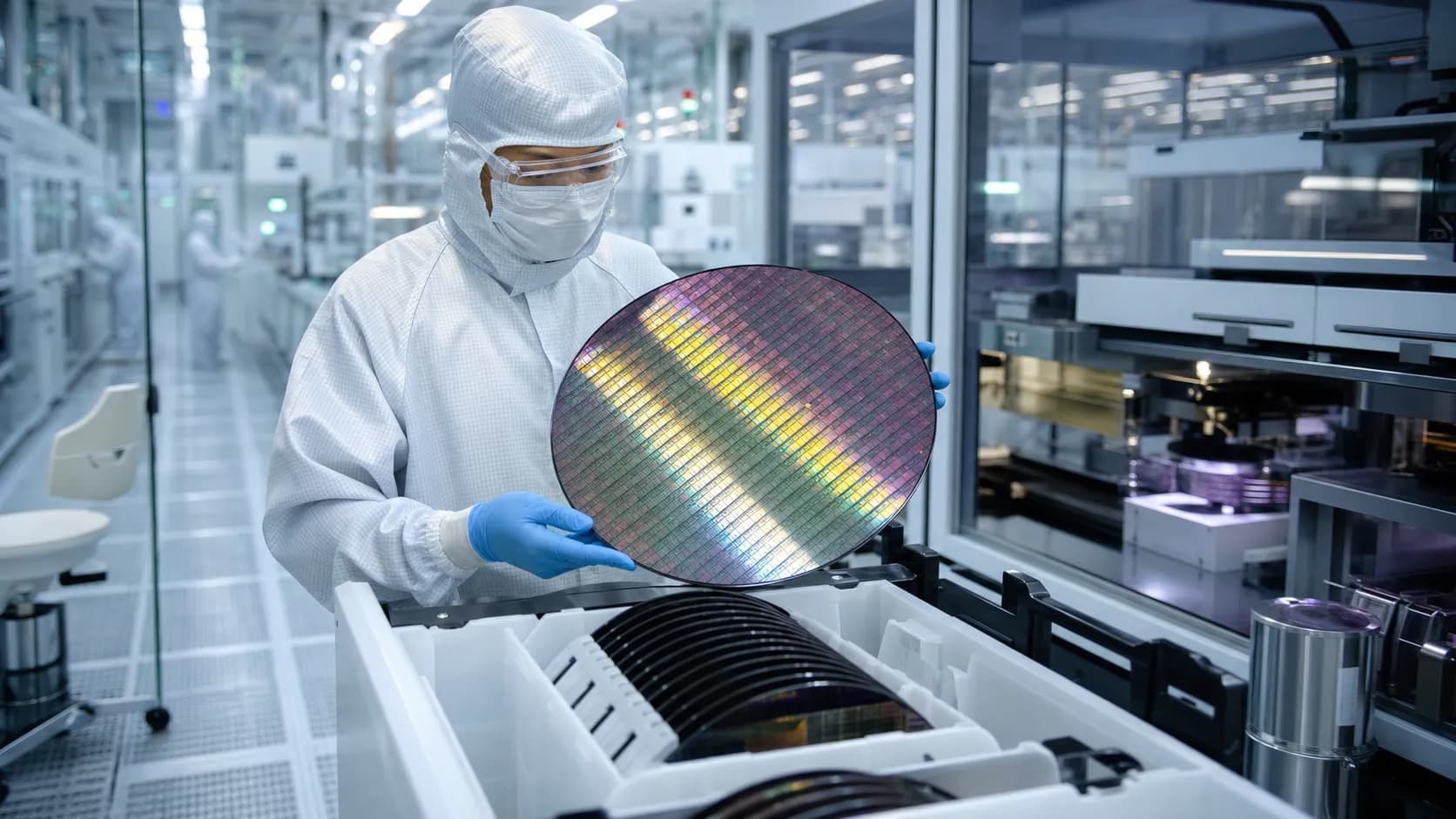
Semiconductors enter August carrying one of the largest growth expectations in any major industry. World Semiconductor Trade Statistics has scheduled its second-quarter forecast update for August 3 after substantially raising the outlook and describing a market capable of exceeding $1.5 trillion in 2026. The next update will show whether that ambition is broadening or becoming even more dependent on AI infrastructure.
What the latest evidence says
WSTS builds its forecast from member-company market experts and publishes a condensed public view after its spring and autumn meetings. Its schedule makes the August release the first formal quarterly check on the spring forecast. UNCTAD separately reports that semiconductor trade grew 25 percent during the first quarter, supported by AI infrastructure and other technology-intensive demand.
WSTS semiconductor forecast schedule provides the primary data and institutional assessment behind this report.
WSTS 2026 market forecast adds the second official reference used to compare the outlook and its risks.
Why this matters now
The central issue is composition. Memory, advanced logic and data-center accelerators can surge while consumer electronics or automotive chips remain softer. A spectacular industry total may therefore conceal very different conditions for foundries, equipment makers and mature-node suppliers. Investors should ask which products and regions are carrying the upgrade.
What to expect in the upcoming period
If the forecast rises again, attention will turn to manufacturing capacity, packaging and power rather than end demand alone. If it holds or falls, the market will examine whether customers are digesting inventory after an aggressive buildout. Either outcome can support selected businesses, but it changes where scarcity and pricing power sit in the chain.
The risk inside the forecast
The sector remains cyclical even when its structural story is compelling. Capital spending arrives in large increments, technology generations turn quickly and export controls can redirect demand. AI customers are unusually concentrated, so a small number of procurement decisions can influence an enormous amount of capacity.
What readers should watch next
Readers should treat August 3 as a map update, not a verdict on every chip stock. Watch product categories, regional growth and the balance between unit shipments and average selling prices. The headline may confirm a trillion-dollar era, but the durable opportunity will belong to companies whose demand survives after the current infrastructure rush normalizes.
Published in The Outspoken Digest
Editorial desk
Outspoken Digest Technology Markets DeskSoftware, hardware, artificial intelligence and what they change for everyone else.
Newsletter
The Digest, in your inbox
One edition, sent when it is ready. No noise, and your address is never passed on.
Read Next
More Business →
Nvidia Opens 13% Lower After Huang's Resignation, Then Claws Back to a 4% Loss as Volume Passes 373 Million Shares
Nov 12, 2026/2 min read

US Crude Stocks Jump 4.66 Million Barrels in the EIA's Delayed Report, Well Above Forecasts, as WTI Trades Near $86
Nov 12, 2026/2 min read

Wall Street Shrugs Off Nvidia's CEO Shock as the S&P 500 and Nasdaq Turn Higher Before Midday, With Chips Split
Nov 12, 2026/2 min read

Treasury Yields Hover at 5% as Bonds Reopen, With a December Fed Hike Priced and Goldman Adding a March Rise
Nov 12, 2026/3 min read