The Rescuer Who Did Not Surface: Remembering Mohamed Mahudhee
MNDF Sergeant Major Mohamed Mahudhee died searching a Maldives cave for five missing divers. His death shows the risk that recovery divers accept on behalf of strangers.
Sunday, May 24, 2026/4 min read
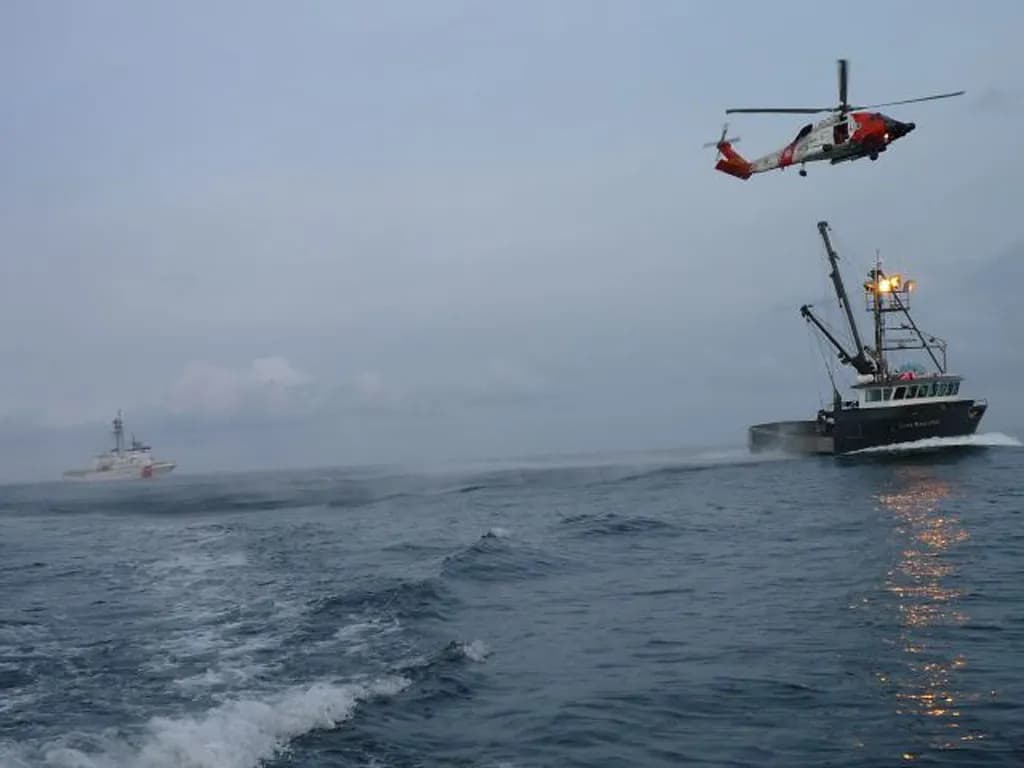
Five names have travelled the world's news wires since 14 May 2026: the Italian divers who died inside a submerged cave off Alimathaa Island in the Maldives. A sixth name has travelled less far, but deserves to be said just as plainly. He is Staff Sergeant Major Mohamed Mahudhee, 44, of the Maldives National Defence Force, and he died trying to bring the others home.
Mahudhee was part of the search and recovery operation launched after the five Italian divers failed to surface from the Dhekunu Kandu cave. According to Maldivian government spokesperson Mohamed Hussain Shareef, quoted in reporting by Tyla, Mahudhee's team had cleared two of the cave's three chambers when the group surfaced and realised he was no longer with them. The other divers went back down immediately and found him unconscious. He was evacuated more than 100 kilometres to ADK Hospital in Malé, where he was pronounced dead.
What is confirmed about his death
Maldivian officials have said Mahudhee's cause of death was decompression illness, the formation of gas bubbles in the blood and tissue that can follow a diver's ascent from depth, particularly after physically demanding work in an overhead environment. That is what has been confirmed. This article will not go further than that. No account of his final dive, no reconstruction of what he was thinking or doing in the moments before he was found, belongs in a piece written for his family to read. What is owed to him here is plain fact and plain respect.
His death briefly suspended the wider recovery mission, according to Il Sole 24 Ore, before an international team resumed the effort to bring the five Italian divers to the surface days later. Maldivian officials, including the president, offered condolences, according to PSM News, describing his death as a loss felt across the country's defence force.
Questions raised, and where this article stops
Some reporting in the days after his death has included claims from a former colleague that Mahudhee was not specifically trained for the kind of cave penetration the search required, a claim carried by Unilad and explored at length by the Maldives Independent. Those are claims attributed to named sources, and they raise a legitimate question about how military divers are prepared for technical cave search work. This article reports that the claims exist and who made them. It does not adjudicate them, and it will not use them to build a narrative about what Mahudhee himself did right or wrong in the water. Any inquiry into training adequacy is a matter for the Maldives National Defence Force and any formal investigation, not for a magazine article written days after his death.
The risk that recovery divers accept
What can be said without speculation is this: recovery diving is not the same discipline as recreational or even technical exploration diving, and the people who do it accept a particular kind of risk on behalf of others. A recovery diver enters a site that has already killed someone, often under time pressure, often in poor visibility, frequently in an overhead environment where a straight ascent is not possible. The task is not to have an experience. It is to bring another human being home to people who are waiting for news.
That risk is well understood inside diving safety circles, which is part of why organisations like DAN Europe build continuous medical monitoring into recovery missions of exactly this kind, tracking rescue divers for the physiological toll of repeated deep dives across consecutive days. It is also why military and coast guard dive units the world over train specifically for search and recovery as its own discipline, distinct from combat diving or reef patrol. None of that changes what happened in Vaavu Atoll. It only explains why the job Mahudhee was doing was dangerous in the first place, and why people keep doing it anyway.
What his death should not become
It would be easy, in the churn of a fast news cycle, to fold Mahudhee's death into a single tally alongside the five Italian divers, a footnote to someone else's tragedy. He was not a footnote. He was a rescuer who went looking for people he had never met, in water that had already proven itself lethal, and he did not come back. The Maldives has called him one of its most experienced military divers. That experience did not make the water safe. It made him the person his country sent in anyway.
His name is Mohamed Mahudhee. That is worth saying on its own, separate from anyone else's story.
A loss felt across a small nation
The Maldives is a small country, and its defence force is small too, which meant Mahudhee's death registered quickly and widely. Official condolences came from the highest levels of government, and reporting from PSM News described the tribute paid to him as reflecting the loss felt across the entire Maldives National Defence Force, not only his immediate unit. For a country whose diving industry underpins much of its economy, a diver dying in service of a rescue operation touched a nerve that reached beyond the military itself, into the wider community of dive professionals, boat crews and coast guard staff who work the same waters every day.
What comes after the reporting stops
News coverage of a death like this tends to move quickly on, following the louder story, in this case the five Italian divers and the subsequent recovery mission, and leaving the local rescuer's name to fade from the headlines first. That pattern is common enough in disaster reporting that it has its own informal name among journalists covering these stories, the second victim effect, where the person who dies attempting a rescue receives a fraction of the coverage given to the original casualties. This article exists partly to resist that pattern in a small way: to put Mahudhee's name in a headline of its own, not as an addendum to someone else's tragedy.
Published in The Outspoken Digest
Editorial desk
Outspoken Digest Diving DeskCovers freediving, recreational and technical diving, dive medicine and the incidents the sport learns from.
Newsletter
The Digest, in your inbox
One edition, sent when it is ready. No noise, and your address is never passed on.
Read Next
More Diving →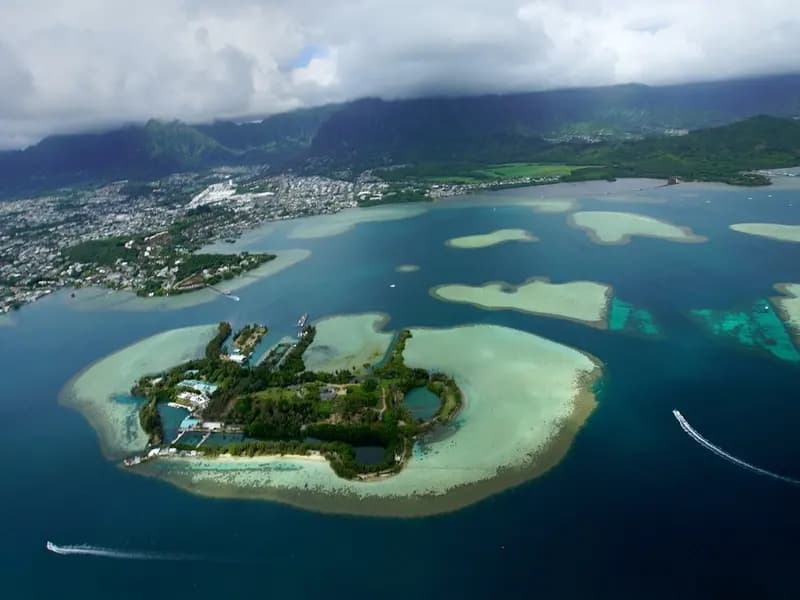
Playing Recordings of a Healthy Reef Drew More Coral and Fish Larvae to Artificial Structures Off Hawaii
Oct 9, 2026/3 min read
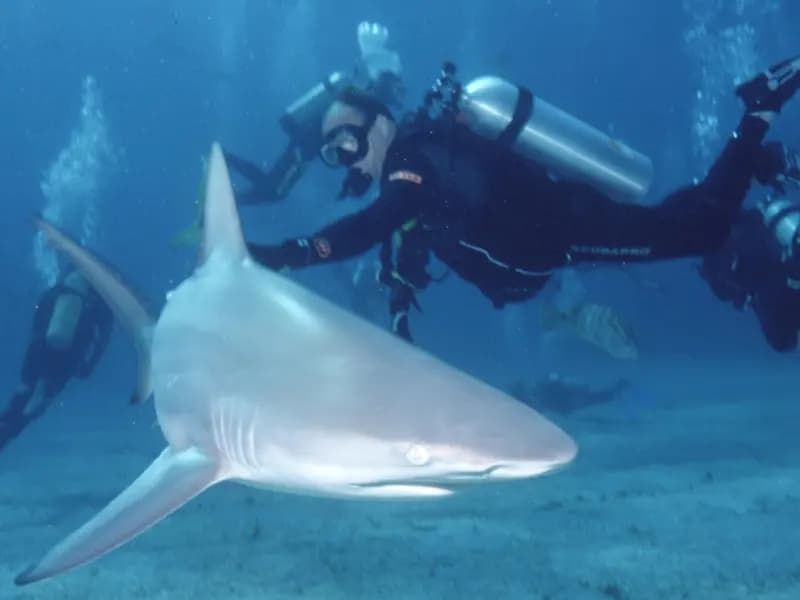
Blacktip Sharks Can Hear a Sound From Nearly 250 Feet Away and Swim Straight Toward or Away From It
Oct 1, 2026/2 min read
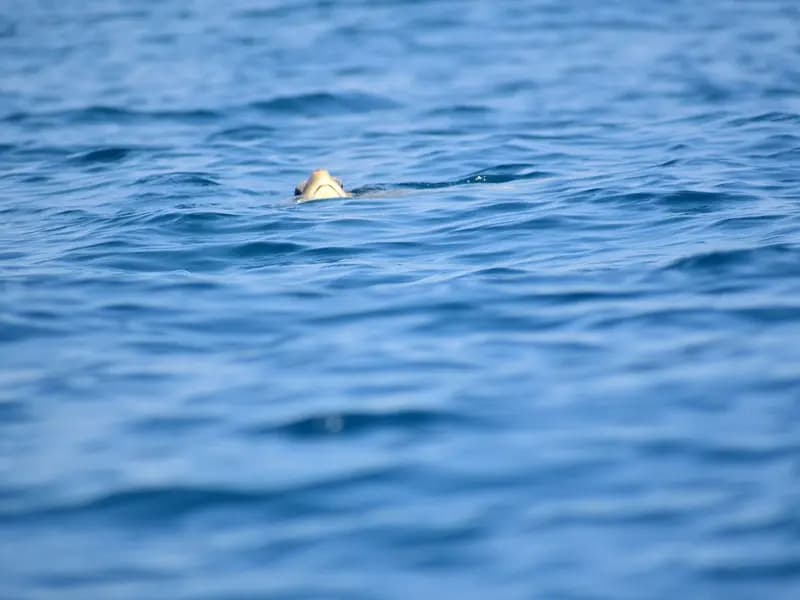
A Sea Turtle Species Never Recorded Nesting in the United States Laid Eggs on a Southern California Beach
Oct 1, 2026/2 min read
Marine Surveyors Confirmed Living Coral Off Benin, More Than Sixty Years After the Reef Was Presumed Dead
Sep 29, 2026/2 min read