Shallow Water Blackout: The Mechanism That Kills Competent Freedivers
Shallow water blackout does not warn its victim first. Here is the physiology behind it, why it strikes trained divers, and why solo breath hold diving is never safe.
Monday, June 10, 2024/4 min read
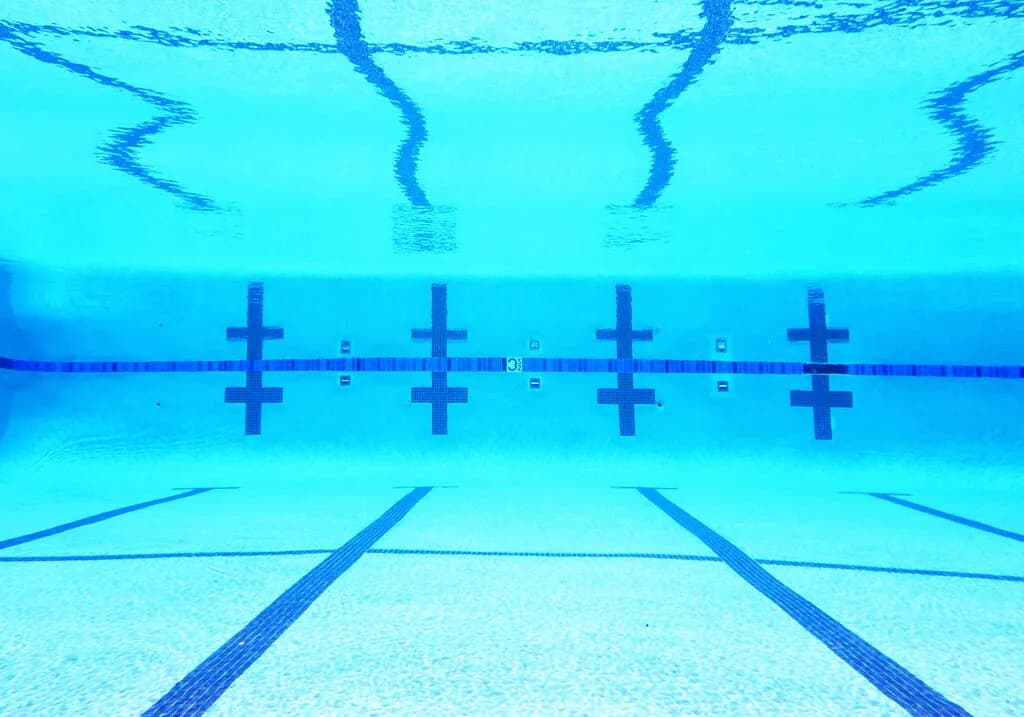
The cruelty of shallow water blackout is that it does not feel like anything. There is no gasping, no panic, no thrashing to alert a bystander. A diver who has pushed a breath hold too far simply stops moving, often within arm's reach of the surface, and unless someone is watching closely enough to notice, there is no warning at all.
It is one of the most consistently misunderstood risks in water sports, partly because the name suggests it only happens close to shore or in a shallow pool. It does not. It happens in oceans, quarries, competition lines and backyard swimming pools, and it happens to strong swimmers and trained athletes as readily as to beginners.
What actually causes shallow water blackout?
The trigger is not a lack of oxygen alone. It is a mismatch between oxygen and carbon dioxide. Breathing normally, a rising level of carbon dioxide in the blood is what produces the urge to breathe, not a falling level of oxygen. According to Divers Alert Network's explainer on shallow water blackout, the primary mechanism is hypocapnia, an abnormally low level of carbon dioxide, brought on by hyperventilating before a dive. Rapid breathing flushes carbon dioxide out of the bloodstream faster than normal, which delays or removes the urge-to-breathe signal entirely.
The diver then goes underwater feeling comfortable, because the body's early warning system has been silenced. Oxygen keeps dropping the entire time. When it falls far enough, the brain loses consciousness before the body ever produces the burning, urgent need to breathe that would normally send a diver back to the surface, as DAN World's version of the same article describes in more detail.
Why does it strike experienced divers, not just beginners?
This is the part that surprises people outside the sport. Shallow water blackout disproportionately affects strong swimmers and trained breath hold divers, precisely because they are the ones capable of pushing a hold long enough, or hyperventilating aggressively enough beforehand, to create the dangerous mismatch. A peer-reviewed analysis published via the National Center for Biotechnology Information on hypoxic blackout risk during deep freediving notes that multiple physiological factors compound at depth, and that competent, fit divers are not immune simply because of their conditioning.
There is a related and even more dangerous variant worth naming separately: deep water blackout. Where shallow water blackout can occur without any depth change at all, in a static pool hold for instance, deep water blackout is driven by the physics of ascent. As a diver rises from depth, the surrounding water pressure drops, and so does the partial pressure of oxygen remaining in the lungs, sometimes fast enough to trigger blackout in the final metres before the surface, even when the diver felt fine seconds earlier, according to background compiled by Wikipedia's entry on shallow-water blackout. Both variants share the same underlying failure: an oxygen supply that runs out faster than the diver's own warning system can register.
How quickly can it actually happen?
Part of what makes blackout so hard to guard against casually is its speed. A diver can be swimming, finning steadily, apparently in control, and lose consciousness within a matter of seconds once oxygen drops below the threshold the brain needs to function. There is often no intermediate stage of visible struggle for a bystander to catch. The transition can look, from the surface, like a diver simply deciding to stop and drift, which is exactly why untrained observers so often miss it until it is too late.
What actually reduces the risk?
The single most effective protection is never diving alone, in a pool, at a quarry, or in the ocean. A supervised diver who blacks out near the surface can be lifted clear of the water and, in almost all cases, will resume breathing on their own once their airway is out of the water and oxygen delivery to the brain resumes. A diver who blacks out alone drowns. There is no third outcome. This is why every reputable freediving course opens with buddy protocol before it teaches a single breathing technique.
The second protection is refusing to hyperventilate before a hold. A slow, relaxed breathing pattern before going underwater preserves the natural urge-to-breathe signal that hyperventilation destroys. Divers who chase a personal best by taking several fast, deep breaths right before submerging are not preparing their lungs, they are disabling their own warning system.
What this means for anyone drawn to the sport
None of this is reason to treat freediving as reckless by nature. Competitive freediving under AIDA and CMAS rules is supervised by safety divers stationed on the line specifically because the sport's own governing bodies treat blackout as the defining risk to manage, not a freak accident to shrug off. The danger sits almost entirely in the unsupervised version of the activity, someone alone in a pool or a quiet cove, confident in their own fitness, with nobody there to notice when they stop moving.
This article is journalism, not instruction. If any of this makes you want to try breath hold diving, the place to start is a certified course with a recognised agency and a qualified instructor, never a solo attempt in a backyard pool or an ocean cove, however calm the water looks.
The physiology has not changed and will not change. What has changed, gradually, is how loudly the diving world talks about it, and that shift alone has likely saved lives that would otherwise never make the news.
Published in The Outspoken Digest
Editorial desk
Outspoken Digest Diving DeskCovers freediving, recreational and technical diving, dive medicine and the incidents the sport learns from.
Newsletter
The Digest, in your inbox
One edition, sent when it is ready. No noise, and your address is never passed on.
Read Next
More Diving →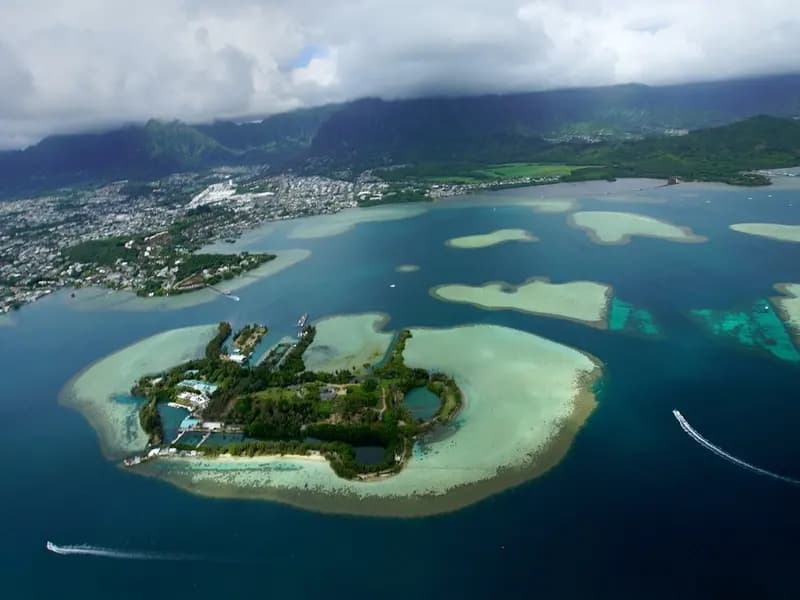
Playing Recordings of a Healthy Reef Drew More Coral and Fish Larvae to Artificial Structures Off Hawaii
Oct 9, 2026/3 min read
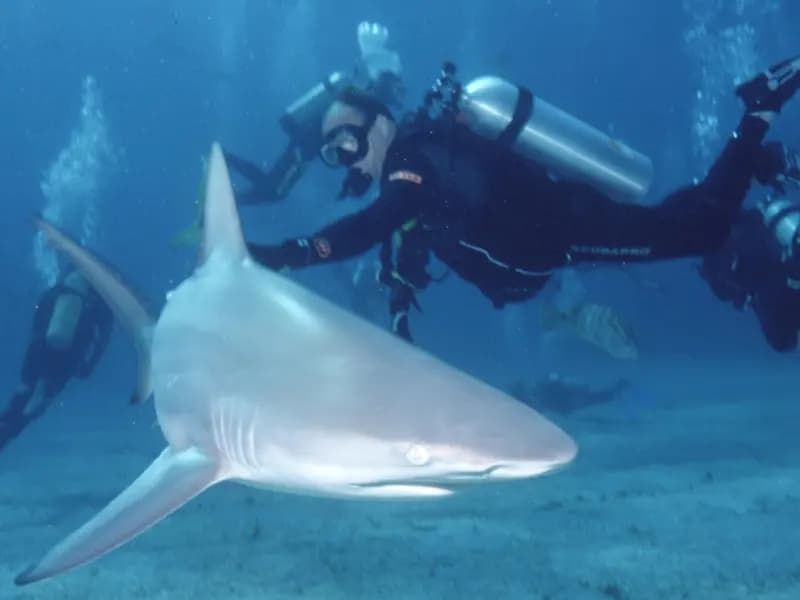
Blacktip Sharks Can Hear a Sound From Nearly 250 Feet Away and Swim Straight Toward or Away From It
Oct 1, 2026/2 min read
A Sea Turtle Species Never Recorded Nesting in the United States Laid Eggs on a Southern California Beach
Oct 1, 2026/2 min read
Marine Surveyors Confirmed Living Coral Off Benin, More Than Sixty Years After the Reef Was Presumed Dead
Sep 29, 2026/2 min read