Sharks and Divers: What the Data Says Versus the Reputation
Shark bites made headlines again in 2025. The numbers behind those headlines tell a very different story for the people actually diving with sharks.
Thursday, March 5, 2026/4 min read
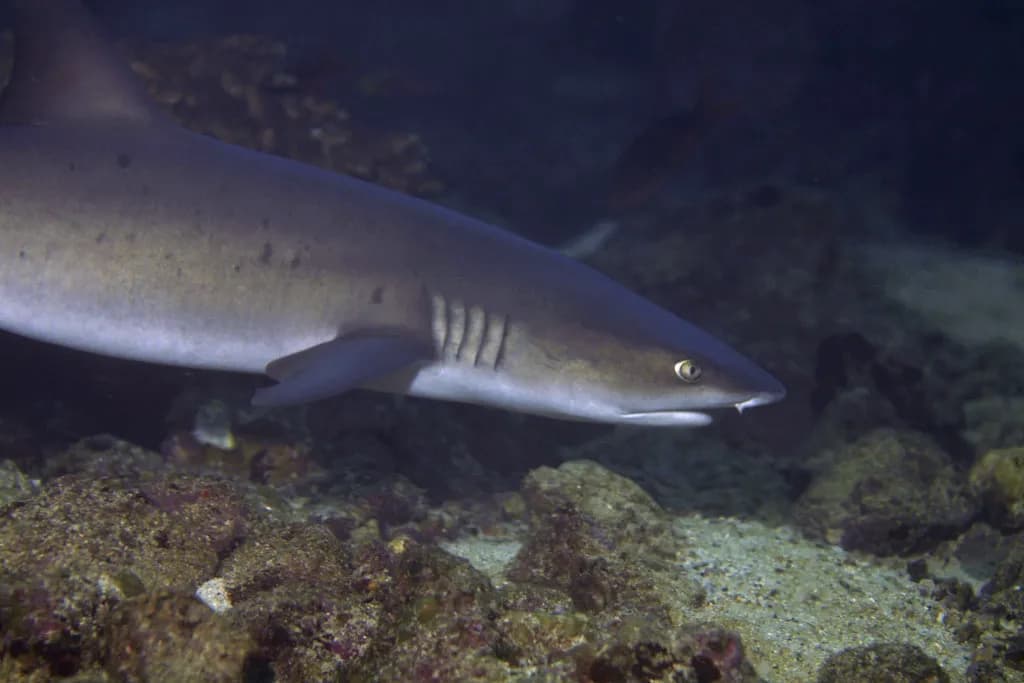
Every year the same headlines arrive, usually after a single incident somewhere on a popular beach, and every year the same reputation gets a fresh coat of paint: sharks as an ambient threat lurking just beyond the surf line. Divers who spend actual time in the water with sharks, often deliberately seeking them out, tend to describe something considerably less dramatic. The gap between those two pictures is worth examining honestly, because both sides of it are backed by real numbers.
What the 2025 global data actually shows
The International Shark Attack File's most recent full-year figures, reported in detail by Forbes, recorded 65 unprovoked shark bites worldwide in 2025, sitting just below the ten-year average of 72. Of those 65 incidents, nine proved fatal, a rise compared with the ten-year average of roughly six deaths a year. Separate reporting from Shark Stewards put the total unprovoked bite count for 2025 at a notable increase over 2024's figures, though year-on-year swings of this kind are typical in a dataset this small, and Shark Stewards frames the 2025 numbers as broadly within the normal historical range rather than a genuine outlier.
Geographically, the pattern held steady with prior years: the United States recorded the highest raw number of unprovoked bites, 25 in total, with Florida alone accounting for 11 of those, according to the same reporting. Australia recorded an unusually concentrated cluster of five fatal bites in 2025, all attributed to white sharks, a detail multiple outlets covering the report highlighted as statistically unusual even against Australia's own historical baseline.
Why the raw numbers mislead without context
Sixty-five confirmed bites, worldwide, across an entire year of ocean use by hundreds of millions of swimmers, surfers and divers, is a genuinely small number. A widely cited 2015 Stanford analysis calculated the odds of a shark attack for an individual beach visit at around one in 738 million, a figure that has held up reasonably well as a rough order-of-magnitude reference in subsequent shark risk reporting. The overwhelming majority of these incidents also involve surfers and swimmers at the surface, not divers underwater, since surface splashing and silhouette from below are the conditions most associated with mistaken-identity bites.
Why the picture is different underwater
For certified divers specifically, the picture shifts further still. A diver underwater, moving deliberately, maintaining eye contact with an approaching shark and avoiding the surface splash and silhouette profile that triggers most surface incidents, faces a meaningfully different risk profile than a swimmer or surfer at the surface. Reporting compiled by the Dive Site blog on diver-specific incidents consistently frames the risk during a guided, controlled shark dive as extremely low, a claim borne out by the sheer volume of commercial shark diving operations running daily across destinations like the Bahamas, French Polynesia, Fiji and South Africa without incident.
This is not the same as claiming sharks are risk-free animals, and no responsible dive operator markets it that way. Reef sharks, the species most divers actually encounter on a typical dive, are generally shy around people and tend to avoid divers rather than approach them, and most shark bite incidents involving divers historically trace back to specific triggers: spearfishing activity nearby, feeding dives conducted without proper protocol, or low-visibility conditions where mistaken identity becomes more plausible.
Why the reputation persists anyway
Media coverage of shark incidents follows a well-documented pattern: a single beach attack generates far more coverage than the routine, incident-free reality of tens of thousands of shark dives conducted the same year. That asymmetry, not the underlying data, is largely what sustains the gap between public perception and the actual experience of divers who spend real time around these animals, a pattern summarised in a year-end roundup from Red Sea Creatures. It is worth noting plainly and without minimising the nine 2025 deaths, each one a genuine tragedy for a family, that the pattern of fatal incidents remains overwhelmingly concentrated among surface water users rather than scuba divers.
What guided shark dives are actually built around
Commercial shark diving destinations have grown into a serious segment of dive tourism precisely because the encounters, run correctly, prove reliably safe over huge numbers of dives each year. Bull shark and tiger shark dives in specific, well-studied locations, reef shark drift dives along current-swept walls, and hammerhead aggregations at a handful of seamounts around the world have each built entire local economies around repeated, incident-free encounters, which is itself a form of evidence about how manageable the actual risk is when handled by experienced local operators who dive these same sites daily.
What responsible shark diving looks like in practice
Operators running dedicated shark dives generally follow strict protocols: controlled entry, no erratic movement, no touching, and clear briefings on species-specific behaviour before anyone enters the water. These protocols exist because sharks, like any wild animal, respond predictably to predictable human behaviour, and unpredictability, not the shark's presence itself, is what tends to generate risk.
Before a shark-focused dive
- Book with an operator that provides a clear species-specific briefing and enforces no-touch, no-feed protocols as standard.
- Avoid diving near active spearfishing activity, historically a significant factor in diver-shark incidents.
- Maintain calm, deliberate movement in the water and avoid surface splashing near a shark sighting.
This article describes general safety practice, not a guarantee of outcome in any specific dive. Anyone new to diving in areas with regular shark activity should seek a briefing from a certified local instructor or operator, and should confirm current local marine guidance, since shark activity patterns and site rules can shift seasonally.
The data, taken as a whole, supports a fairly unglamorous conclusion: sharks remain one of the ocean's more misunderstood residents, genuinely dangerous in rare, specific circumstances, and mostly indifferent to the divers who spend their time quietly hoping to see one. If anything, the harder statistic for sharks themselves involves the reverse direction of harm, with human fishing pressure remaining a far larger threat to global shark populations than sharks have ever posed to divers.
Published in The Outspoken Digest
Editorial desk
Outspoken Digest Diving DeskCovers freediving, recreational and technical diving, dive medicine and the incidents the sport learns from.
Newsletter
The Digest, in your inbox
One edition, sent when it is ready. No noise, and your address is never passed on.
Read Next
More Diving →
Playing Recordings of a Healthy Reef Drew More Coral and Fish Larvae to Artificial Structures Off Hawaii
Oct 9, 2026/3 min read
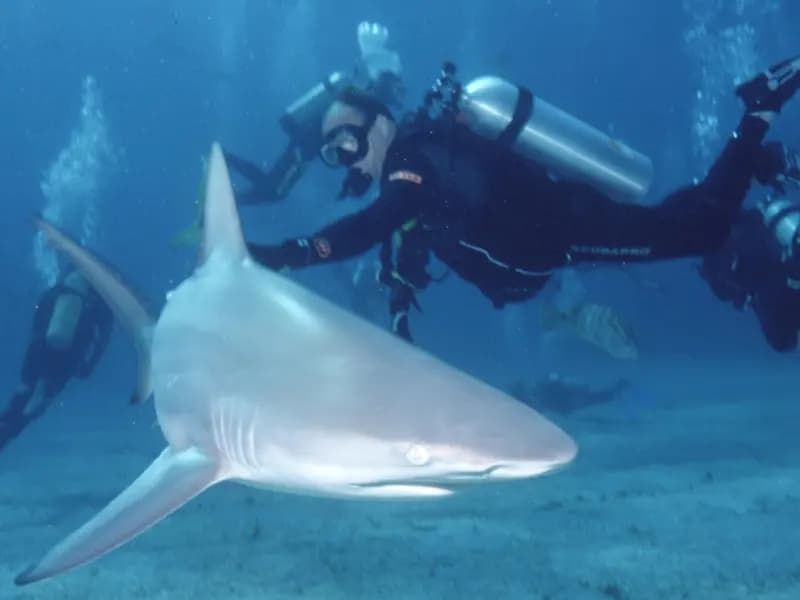
Blacktip Sharks Can Hear a Sound From Nearly 250 Feet Away and Swim Straight Toward or Away From It
Oct 1, 2026/2 min read
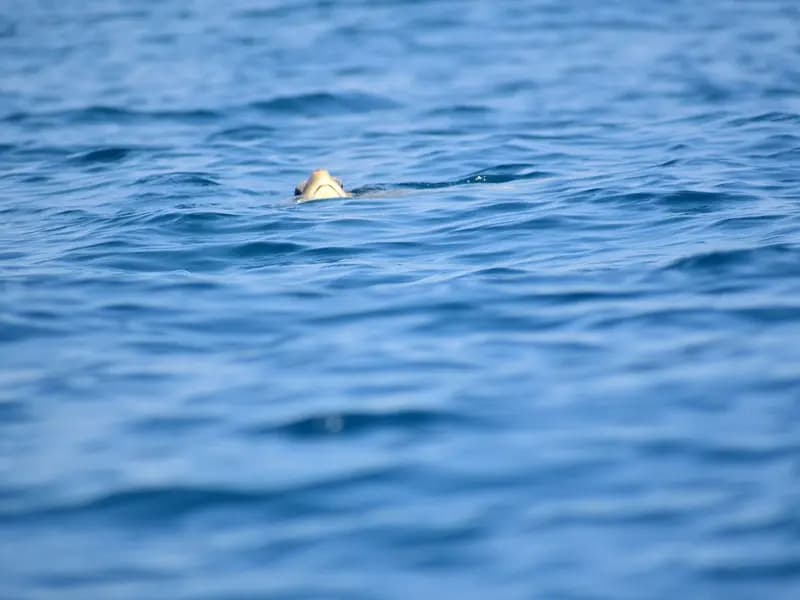
A Sea Turtle Species Never Recorded Nesting in the United States Laid Eggs on a Southern California Beach
Oct 1, 2026/2 min read
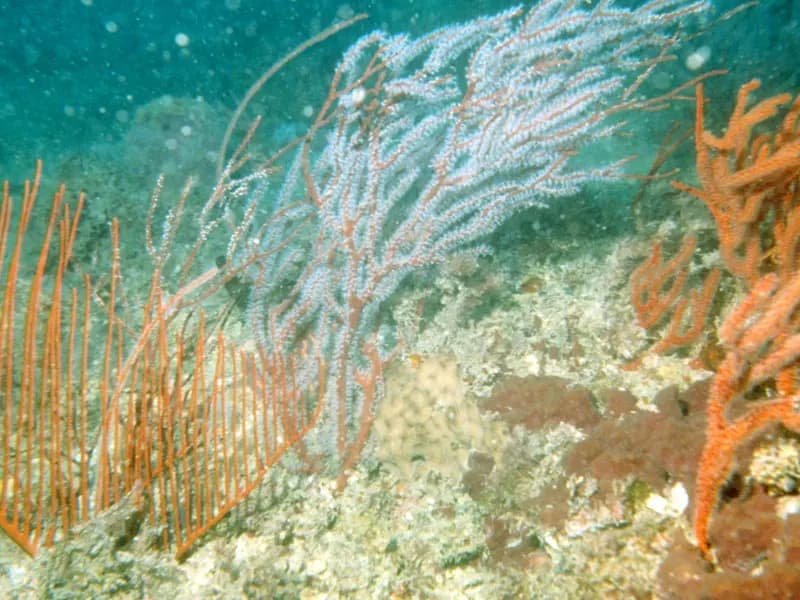
Marine Surveyors Confirmed Living Coral Off Benin, More Than Sixty Years After the Reef Was Presumed Dead
Sep 29, 2026/2 min read