Sheer Dressing Is Back and the Argument Came With It
Illusion gowns and transparent couture are dominating red carpets again, and the online reaction is as reliable as the trend. Both are doing exactly what they are designed to do.
Thursday, August 6, 2026/4 min read
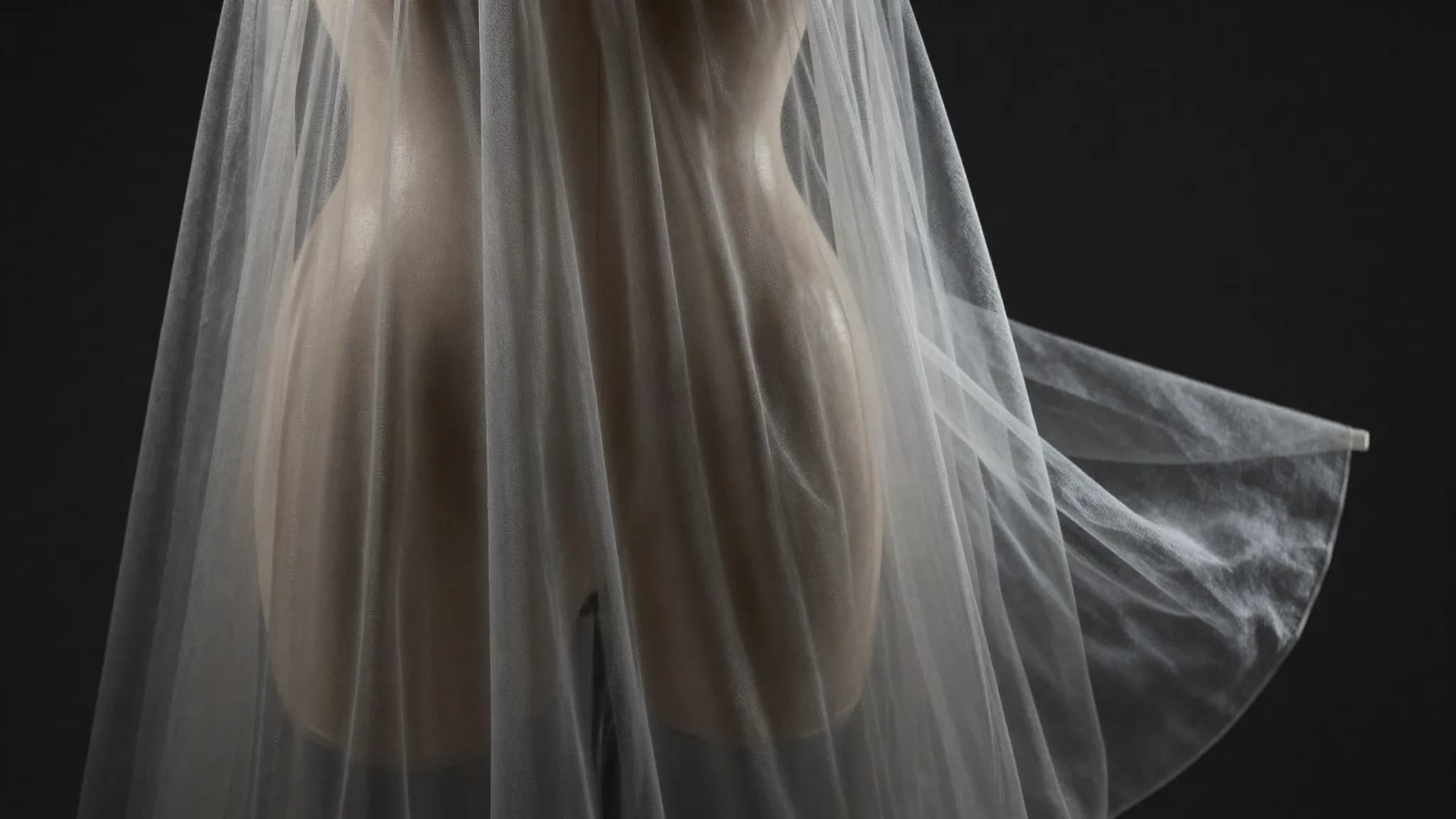
The sheer dress returns to red carpets on a cycle so regular you could set a calendar by it, and each time the response follows the same script: the images circulate, the discourse arrives, and the dress achieves precisely what it was made to achieve.
2026 is a heavy year for it. Across Cannes, premieres and luxury galas, celebrities have continued to wear sheer fabrics, crystal embellishment and illusion silhouettes that sit deliberately between craftsmanship and provocation, as RunwayLive's account of the trend describes.
Illusion is a technique before it is a statement
The word doing the work here is illusion, and it is a technical term rather than a marketing one.
An illusion gown uses fine mesh or tulle, matched closely to skin tone, as a ground onto which embellishment is anchored. The mesh disappears at distance, so beading and embroidery appear to float unsupported. It is one of the more demanding things a couture atelier does, because every crystal has to be placed on fabric that cannot show a stitch.
That is why the technique persists through every cycle of objection. It is a genuine showcase of hand work, and houses use it for the same reason a restaurant puts its hardest dish on the menu.
Why it keeps coming back
Red carpet dressing is a competition for attention conducted in a very crowded field, and the economics are simple. A photograph that circulates is worth more than a photograph that does not.
A sheer gown guarantees circulation. It generates coverage, commentary and argument, and all three are distribution. The predictability of the backlash is part of the calculation rather than a risk to it.
There is a second, less cynical reading. Fashion has spent several years in a restrained mood, and sheer dressing is the most direct available rejection of that. When the prevailing aesthetic is coverage and quiet tailoring, transparency is the loudest possible counter argument.
The part the discourse usually misses
Most of the online argument treats these garments as one category. They are not.
There is a considerable difference between a heavily embellished illusion gown where the beading provides substantial coverage and a genuinely transparent dress with minimal construction. They photograph similarly under flash, which flattens the distinction and drives a lot of the confusion.
Lighting is a real variable here. A fabric that reads as opaque in daylight can become entirely transparent under direct flash, which is a technical property of the cloth rather than an intention of the wearer. Plenty of viral red carpet images are the camera's decision rather than the designer's.
Does it translate to anything wearable
Partially, and in a much diluted form.
The mainstream version is a sheer sleeve on an otherwise solid dress, a mesh panel, a layered organza over a slip. Those borrow the visual idea and none of the exposure, and they are what the trend actually looks like away from a step and repeat.
The full red carpet version does not translate and is not meant to. It exists to be photographed, in one specific context, once.
The economics of a dress worn once
Red carpet dressing operates on a logic that has nothing to do with retail, and understanding it explains a lot of what looks inexplicable from outside.
These garments are frequently loaned rather than bought, made or adjusted for one wearer, and worn on one evening. The house pays for the placement in labour and materials; the return is the photograph and everything downstream of it.
That economic structure rewards risk. A dress that is merely elegant produces no coverage and therefore no return, which is why the incentive runs consistently toward the more provocative option even when the wearer would personally prefer otherwise.
What actually reaches shops
The commercial translation is a long way from the original, and it happens through fabric rather than silhouette.
Mesh panels, organza layers, sheer sleeves and slip dresses under transparent overlays are the high street version, and they borrow the visual reference while removing the exposure entirely. Seasonal colour and fabric direction, mapped in guides such as this SS26 trend report, tends to reach shops faster than any specific silhouette does.
Which means the trend most people actually participate in is a texture trend. The gowns generate the conversation; a sheer sleeve on a work dress is what the conversation sells.
What to watch next
Watch whether houses keep using illusion technique as their craft showcase, because that is what determines if this is a passing provocation or a durable part of the couture vocabulary.
The technique is over a century old and has survived every previous round of objection to it. On that evidence, the dresses will outlast the argument, as they have every other time.
Published in The Outspoken Digest
Newsletter
The Digest, in your inbox
One edition, sent when it is ready. No noise, and your address is never passed on.
Read Next
More Fashion →
Victoria's Secret Fashion Show Heads to Los Angeles on Sunday With an All-Women Lineup and Three Angel Hopefuls
Oct 15, 2026/2 min read

Anthony Vaccarello Is Leaving Saint Laurent After a Decade, and Kering Has Not Yet Named His Successor
Oct 9, 2026/2 min read
Louis Vuitton Closes Paris Fashion Week With Hovering Cars, Paper-Light Dresses and a Louvre Courtyard Cityscape
Oct 7, 2026/2 min read
Celine Dion Made a Surprise Return to the Catwalk to Close L'Oreal's Paris Fashion Week Opening Show
Sep 29, 2026/2 min read