Slow Travel and the Death of the Checklist Trip
The seven-cities-in-nine-days itinerary is losing its grip. More travelers are choosing one place, more time, and fewer photographs to prove it.
Tuesday, May 14, 2024/3 min read

There is a particular exhaustion familiar to anyone who has done the seven-cities-in-nine-days trip. The photos look great. The memories blur together somewhere around city four, a smear of train platforms and hotel breakfasts and museums seen at a jog. A growing number of travelers have decided that trip is no longer worth taking, and they have a name for the alternative: slow travel.
The shift shows up clearly in the data. Pinterest's own trend forecasting for the year names slowing down as travel's defining pattern, with more people deliberately planning trips built around fewer destinations and more unstructured time, rather than itineraries stacked with pre-booked activities from morning to night.
What does slow travel actually mean in practice
It is less a checklist and more a mindset. Slow travel is rooted in the idea that a trip's value is not measured by how many places you visited but by how deeply you experienced the ones you chose, according to Guidester's reporting on the movement. Concretely, that tends to mean a week or two in a single city or region instead of a country-hopping circuit, renting an apartment over booking a hotel, and leaving entire days unscheduled rather than pre-loading every hour with a reservation.
How big is this shift, really
Bigger than a passing aesthetic. A survey of 2,000 US adults found that 60 percent of travelers are now planning vacations with the explicit goal of slowing down and switching off, and search interest in slow travel itineraries has climbed 400 percent since 2019, according to figures reported by Empower. That is not a niche movement of retirees with unlimited time; it spans working professionals deliberately trading trip frequency for trip depth.
Why are people abandoning the packed itinerary
Burnout is the honest answer. The hyper-optimized itinerary, born partly from Instagram's appetite for variety and partly from the sunk-cost logic of an expensive flight, produces trips that feel like work. Men's Journal has framed slow travel as a direct reaction against that fatigue, describing it as potentially significant enough to reshape how the tourism industry designs its products, from hotel stay-length incentives to airlines rethinking multi-city fare bundles.
What does a slow itinerary actually look like
In practice, travelers embracing the trend describe things like grocery shopping at a local market instead of eating every meal in a restaurant, learning a handful of phrases and actually using them, returning to the same coffee shop three mornings in a row, and treating a rained-out afternoon as a legitimate reason to just stay in rather than a wasted vacation day. It is less about chasing a highlight reel and more about accumulating small, repeatable routines in an unfamiliar place.
Does slow travel actually save money
Often, yes, though that is a side effect rather than the point. Fewer internal flights and trains, longer-stay accommodation discounts, and less pressure to pay premium prices for skip-the-line tickets at every attraction all add up. But the travelers driving this trend are not describing it primarily as a budget hack. They are describing exhaustion with a version of travel that turned vacation into a second job of logistics.
Whether slow travel becomes the dominant mode or simply a permanent alternative lane alongside the traditional whirlwind trip, its momentum looks durable rather than seasonal. The checklist trip is not extinct. It is just no longer the only script travelers feel obligated to follow.
Published in The Outspoken Digest
Editorial desk
Outspoken Digest Travel DeskDestinations, airlines, borders and the practicalities of getting there.
Newsletter
The Digest, in your inbox
One edition, sent when it is ready. No noise, and your address is never passed on.
Read Next
More Travel →
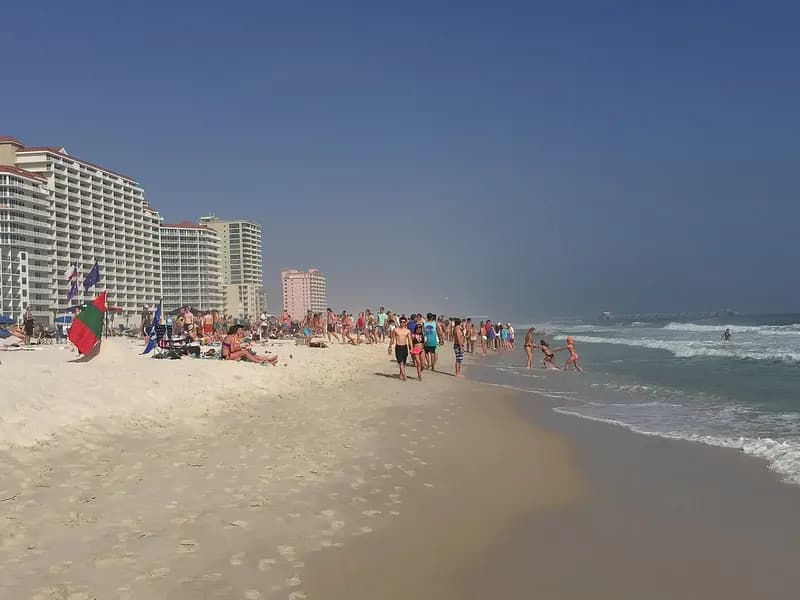
Hurricane Isaias Closes Gulf Coast Airports and Clears Alabama's Beaches as Airlines Waive Change Fees
Oct 8, 2026/3 min read
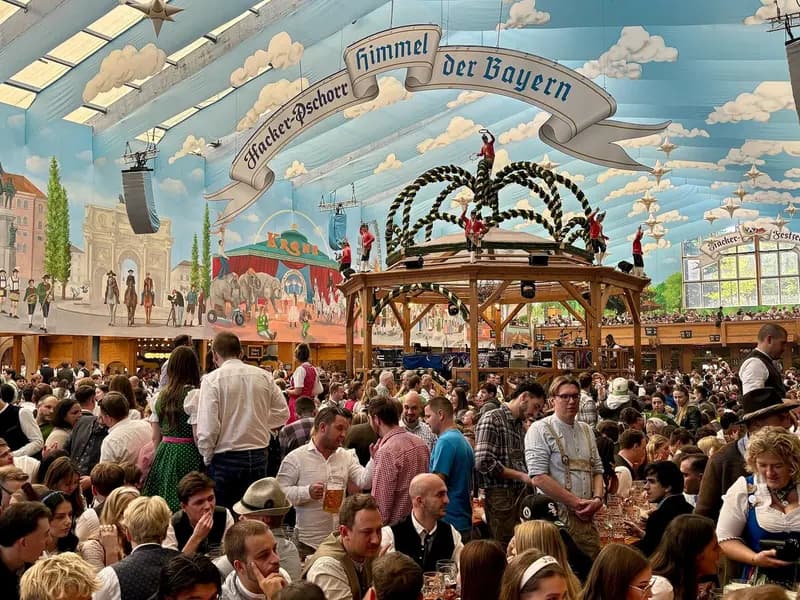
Oktoberfest 2026 Ended With a Record 7.4 Million Visitors, Beating the Previous High by 200,000
Oct 4, 2026/2 min read
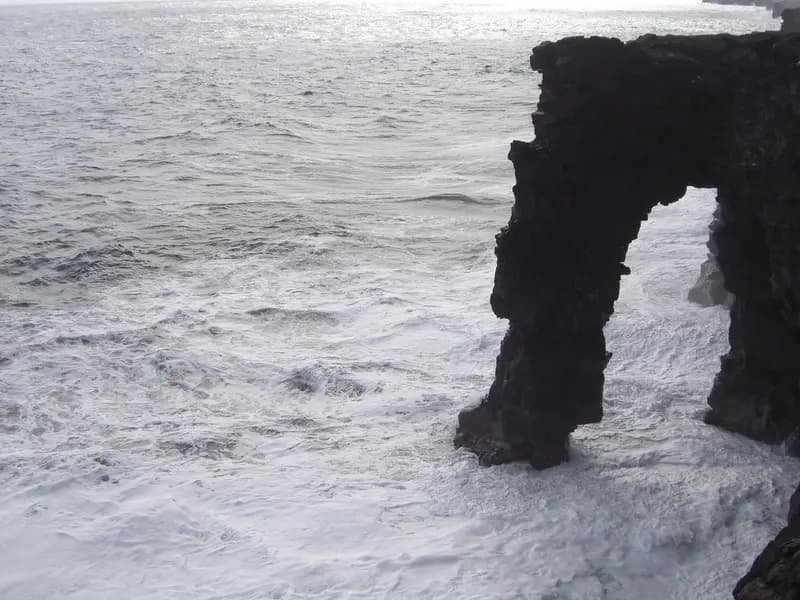
Hawaii's 90-Foot Hōlei Sea Arch, About 550 Years Old, Collapsed Into the Pacific During Storm Nolo
Oct 3, 2026/2 min read