Smart Glasses Have a Style Problem Called Surveillance
AI eyewear is becoming more capable and less conspicuous, but a celebrity revolt and fresh privacy fixes show that bystanders still get a vote on adoption.
Wednesday, July 22, 2026/4 min read
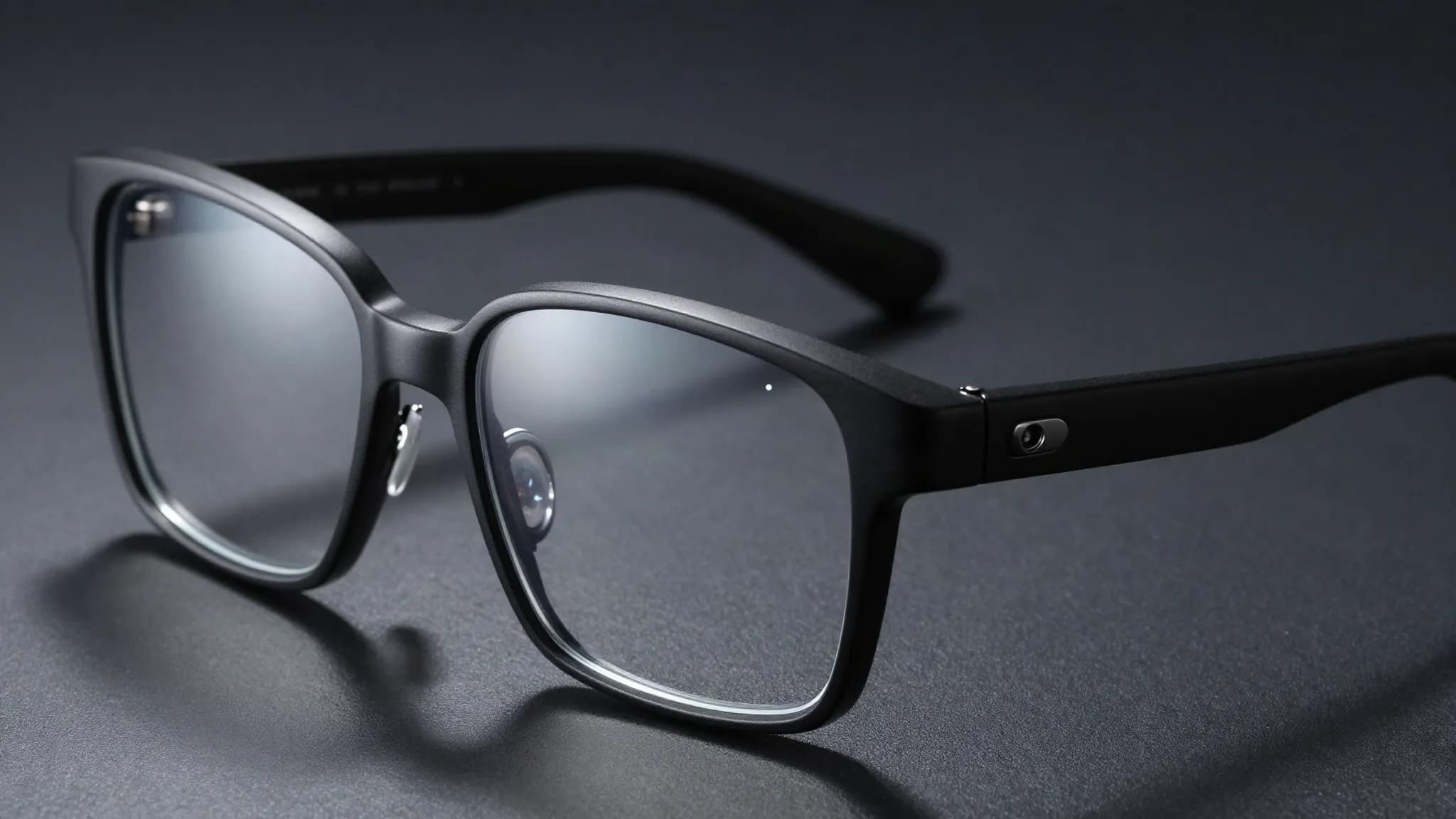
The smartest glasses in the room may be the pair nobody else can identify. That is the technical achievement and the social problem packed into the same frame.
AI eyewear has become lighter, more useful and more ordinary-looking. Cameras, microphones, translation and voice assistants now hide inside silhouettes that resemble familiar sunglasses. Yet the better these products blend into a crowd, the harder it becomes for everyone around the wearer to know whether they are part of a recording.
Why the backlash suddenly feels cultural
The tension broke into pop culture when Lorde interrupted a set at Madrid’s Mad Cool festival and told the audience she found the glasses decidedly unattractive. TechCrunch covered the moment, which carried extra force because the festival itself had smart-eyewear sponsorship.
Activists have also installed altered advertisements at London bus stops targeting Meta’s glasses, while online critics have revived the old language of “creep” devices. TechRadar’s survey of the backlash shows a dispute moving beyond privacy specialists into music, fashion and ordinary street etiquette.
That matters because eyewear is not just hardware. It sits on the face, communicates taste and enters other people’s personal space. A phone raised to record is legible. A lens built into a classic frame can make every conversation ambiguous.
The tiny recording light carries too much weight
Meta’s answer has long been a visible LED that illuminates when its glasses record. In July, the company tightened that safeguard so the camera stops working if the light is damaged or obstructed. 9to5Google reported that the update directly targets attempts to defeat the signal.
It is a sensible fix, but it reveals how much social trust depends on a very small component. Bystanders must know what the light means, notice it in bright daylight and trust that software cannot bypass it. The wearer, meanwhile, can still capture people who never agreed to be part of the scene.
The legal situation varies by country and setting. The etiquette is even less settled. A person may be allowed to record on a public street while still making everyone nearby feel watched. Product adoption does not happen through law alone. Restaurants, workplaces, courts and private homes will create their own rules.
Google is trying to learn from the first backlash
Google, whose original Glass became a symbol of wearable-tech arrogance, is preparing another attempt through Android XR. Company representatives told Tom’s Guide that privacy indicators and familiar Android permission controls are central to the design.
Reports also say its recording signal will resist tampering. That is an important baseline, not a complete answer. Future glasses may process the environment continuously for translation, navigation or object recognition without saving a conventional video. A light tied only to recording may not tell bystanders when the camera is still analyzing their face, voice or surroundings.
This is where privacy language must become more precise. Capturing, processing, storing and sharing are separate actions. A trustworthy product should make each one understandable to the wearer and, where possible, visible to people nearby.
Fashion cannot disguise a consent problem
Meta’s partnership with Ray-Ban solved the first generation’s aesthetic weakness. The glasses look normal enough that people will actually wear them. That success now exposes the deeper issue: normal-looking surveillance is more socially disruptive than obviously strange hardware.
A recent Road to VR report on the anti-tampering change notes that users are prohibited from obscuring the recording signal. Enforcement remains difficult once a device leaves the store, which is why social norms will do work that terms of service cannot.
The industry wants glasses to become the next everyday computer. To get there, it must design for the person outside the frame as seriously as the customer wearing it. That could mean louder visual signals, audible cues, clear processing modes and hardware-level limits that do not disappear with a software setting.
A social contract has to be visible
Phones eventually developed recognizable manners. People know what it means when someone raises a handset, and many spaces have rules about where cameras belong. Glasses erase that familiar gesture. The wearer can appear to be listening while the device is capturing, translating or analyzing. If bystanders must inspect a tiny light to know the difference, the product has transferred the burden of consent to the person with the least control.
Better signals need to work across distance, lighting and disability. They should be difficult for an owner to cover or disable, and they should distinguish recording from private functions that do not retain another person’s image. Venues, employers and schools will also need policies that are simple enough to enforce without guessing which model is on someone’s face.
The buying decision now includes everyone nearby
Smart-glasses makers usually market utility to one customer: capture a moment, hear directions, ask a question. Adoption depends on a second audience that never bought the device. Friends, dates, colleagues and strangers must believe they are not being quietly turned into training data or permanent footage. That makes social comfort a core product metric, not a public-relations problem after launch.
A company can improve camera quality quickly. Rebuilding trust takes longer because each ambiguous interaction becomes part of the category’s reputation. The winning design may be the one that does less by default and communicates more, even if that seems less magical in a demonstration.
Lorde’s criticism spread because it compressed a technical debate into a style judgment. Fashion has always decided which technologies become acceptable on the body. If a pair of glasses makes every room less relaxed, no amount of elegant acetate can make it feel truly wearable.
Published in The Outspoken Digest
Editorial desk
Outspoken Digest Style DeskReports for The Outspoken Digest across Fashion, Design, Lifestyle.
Newsletter
The Digest, in your inbox
One edition, sent when it is ready. No noise, and your address is never passed on.
Read Next
More Fashion →
Anthony Vaccarello Is Leaving Saint Laurent After a Decade, and Kering Has Not Yet Named His Successor
Oct 9, 2026/2 min read

Louis Vuitton Closes Paris Fashion Week With Hovering Cars, Paper-Light Dresses and a Louvre Courtyard Cityscape
Oct 7, 2026/2 min read

Celine Dion Made a Surprise Return to the Catwalk to Close L'Oreal's Paris Fashion Week Opening Show
Sep 29, 2026/2 min read

Louise Trotter Doubled Down on Colour and Oversized Bags for Her Latest Bottega Veneta Show in Milan
Sep 27, 2026/2 min read