Social media's great shakeup: Threads, Bluesky, TikTok
Twitter's replacements are finally arriving. Threads hits scale, Bluesky goes public, and TikTok faces its biggest threat in years. Here's who's winning.
Outspoken Digest Technology Desk
Wednesday, February 14, 2024/3 min read
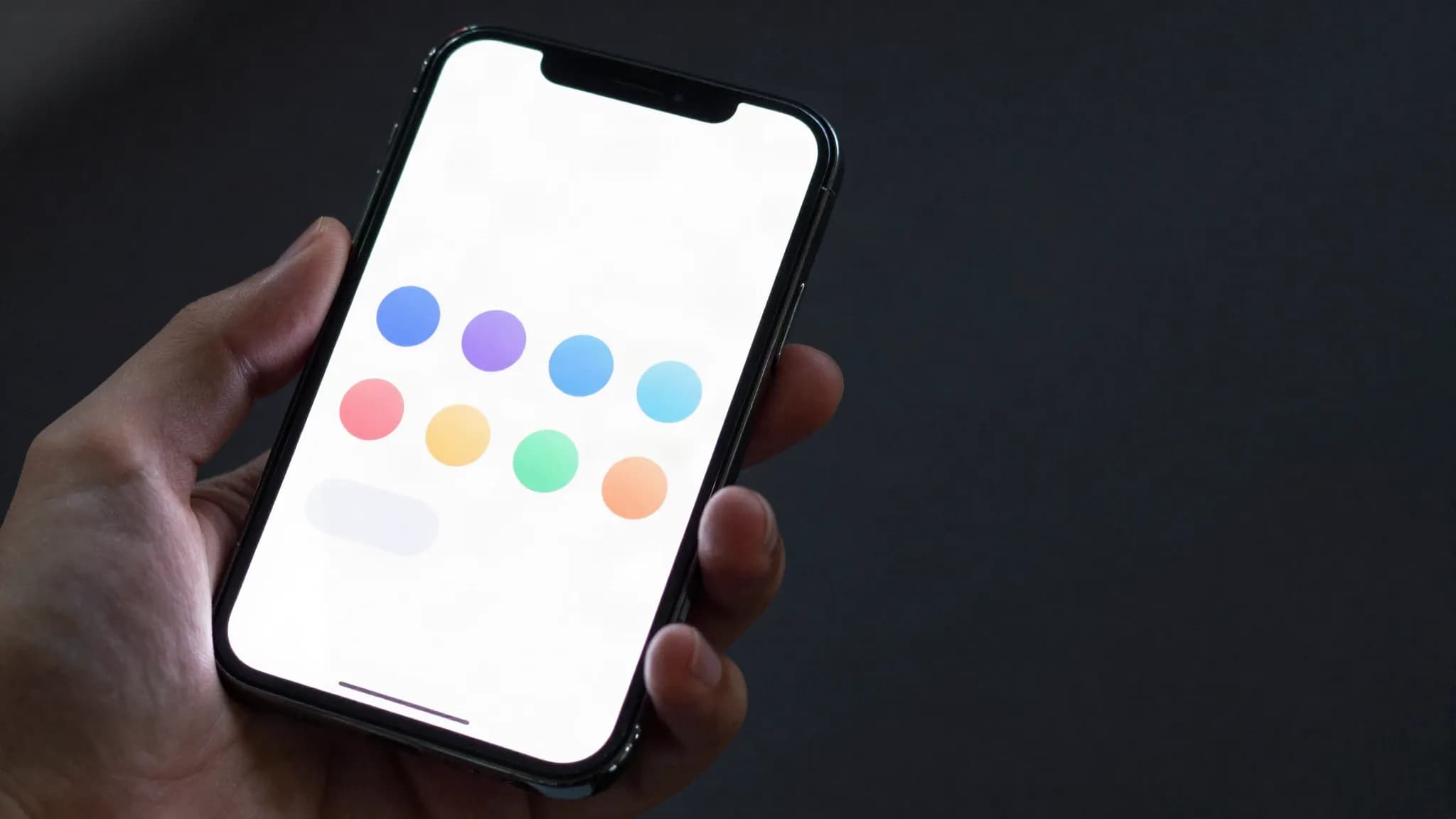
For the first time in a decade, the social media throne is genuinely up for grabs. Twitter, now known as X, remains a powerhouse, but its grip has loosened. This week, Bluesky officially launched to the public after a year of invite-only beta testing. Meanwhile, Meta's Threads is quietly building real momentum, and TikTok is facing its most turbulent year yet. The landscape that defined the 2010s is crumbling, and something new is emerging.
The reshuffling began in earnest when Elon Musk took over Twitter and started reshaping it into X in late 2023. Users fled. They went everywhere. Some migrated to Threads, Meta's text-based alternative, which reached 100 million signups in its first month. Others waited for Bluesky, the decentralized protocol-based network that had been in closed beta for months. Today, Bluesky is finally letting everyone in.
Bluesky's radical bet on decentralization
Bluesky runs on something called the AT Protocol (Authenticated Transfer Protocol), a framework designed to prevent any single company from owning a social platform the way Meta owns Facebook. The architecture means users theoretically own their data and connections, not the platform. According to Bluesky's product team, this decentralization is the core appeal for users tired of being trapped by algorithmic lockdowns and sudden policy shifts.
The bet is simple but audacious: users will prefer transparency and control over convenience. It's working, at least for early adopters. The platform is drawing journalists, academics, artists, and technologists who value independence. But there's a catch. A decentralized network is slower, less polished, and harder to monetize than a centralized platform. Bluesky doesn't yet have a clear revenue model. For now, it's betting that critical mass comes first, money later.
Threads goes quiet and grows
Meta's Threads took a different approach. Threads integrated directly with Instagram, making it easy for the 2 billion Instagram users to try the platform. It was clunky at launch in July 2023, but Meta has spent months refining it. By early 2024, Threads feels like a real alternative to X. The algorithm is different, the community is friendlier, and the platform isn't ruled by a single polarizing owner.
The bet here is different from Bluesky's. Meta isn't pushing independence or user control. It's pushing familiarity wrapped in a new format. Instagram followers automatically show up on Threads. The creation and sharing tools feel native. For most users, Threads is just what X used to be, but without the chaos.
TikTok's existential problem
While Threads and Bluesky fight for X's refugees, TikTok faces a different kind of crisis. The platform has become a cultural force unlike any other social media app, especially among Gen Z. But its parent company, ByteDance, is based in China, and the U.S. government has made it clear that it views TikTok as a national security risk. According to recent analysis from CMB Online, political pressure on TikTok is intensifying, with bans being discussed in Congress.
TikTok's response has been to diversify. The platform is experimenting with TV-style minidramas, trying to expand beyond short-form video into entertainment that could survive on subscription revenue, not just advertising. But this is a desperate gamble. TikTok's power lies in its algorithm, its ability to surface unknown creators alongside celebrities, and its youngest, most engaged audience. Change the format, and you risk losing what made it special.
What's really happening
This shakeup isn't about one platform being better than another. It's about users finally asking harder questions. Who owns my data? What algorithm is feeding me content? Why can't I trust this platform anymore?
Bluesky answers by removing the middleman. Threads answers by going back to basics: posts from people you follow, not an opaque algorithm optimized for outrage. X answers by leaning into chaos. TikTok answers by pretending the question doesn't exist, at least for now.
The real winner will be whoever genuinely solves the trust problem. Right now, nobody has. Users are hedging their bets, keeping accounts on multiple platforms, waiting to see who survives the next crisis. The age of one platform ruling them all is genuinely over.
Published in The Outspoken Digest
Editorial desk
Outspoken Digest Technology DeskSoftware, hardware, artificial intelligence and what they change for everyone else.
Newsletter
The Digest, in your inbox
One edition, sent when it is ready. No noise, and your address is never passed on.
Read Next
More Latest Trends →
Navi Pillay, the South African Jurist Who Led the UN Gaza Inquiry, Wins the 2026 Nobel Peace Prize
Oct 9, 2026/3 min read

Trump Says the US Will Not Attack Iran Before the Midterms, While Tanker Attacks Cut Hormuz Traffic to a Two-Month Low
Oct 9, 2026/3 min read

Russian Strikes Killed 22 in Pryluky and at Least 30 on Two Buses in Kramatorsk Within Two Days
Oct 9, 2026/2 min read

A Year After the Gaza Ceasefire, More Than 100 Aid and Rights Groups Say It Exists in Name Only
Oct 9, 2026/2 min read