Solar's 600-Terawatt-Hour Year Makes the Grid the Next Big Trade
Solar generation is set for another record increase, but panels alone cannot solve evening peaks or connection delays. The next value pool is flexibility and networks.
Sunday, August 2, 2026/2 min read
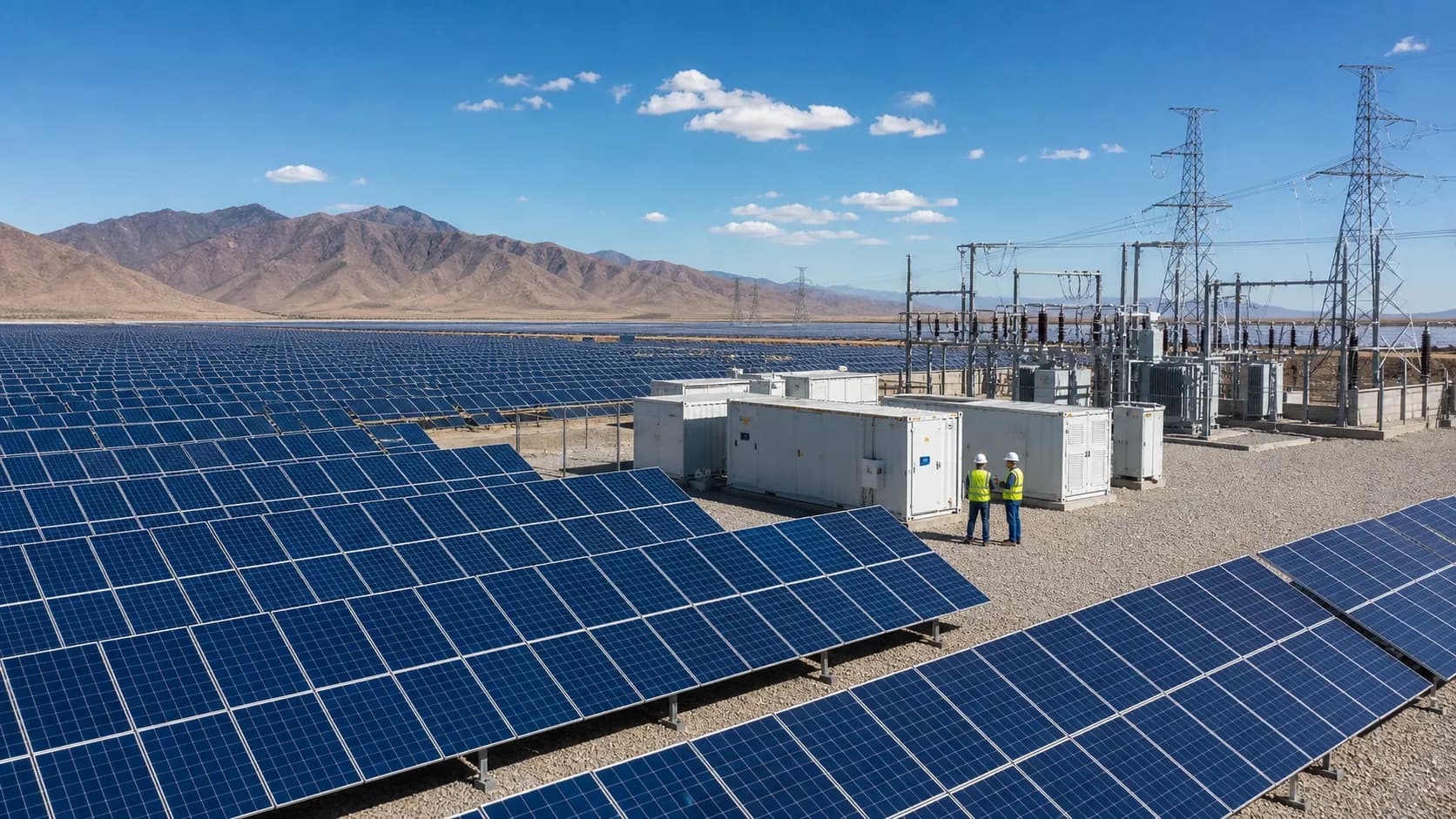
The solar market has proved it can add modules at extraordinary speed. The harder question is what happens after those panels start producing at the same hours. As global output heads for another record annual increase, value is migrating toward the equipment and market rules that move energy across time and distance.
What the latest evidence says
The IEA expects solar photovoltaic output to grow by around 600 terawatt-hours in 2026, matching the record increase achieved in 2025, with another robust year projected for 2027. That expansion helps power systems meet faster demand growth and reduces exposure to volatile fuel imports, but it also increases the need for grids, storage and flexible consumption.
IEA global electricity demand update provides the primary data and institutional assessment behind this report.
IEA Electricity Mid-Year Update adds the second official reference used to compare the outlook and its risks.
Why this matters now
A midday surplus has limited economic value if a city faces its tightest conditions after sunset. Batteries can shift short periods, transmission can connect regions with different weather and demand response can move industrial or household use. The winning power system is not the one with the most panels in isolation; it is the one that can turn variable output into dependable service.
What to expect in the upcoming period
Investors should expect attention to move from headline installation totals toward curtailment, connection queues and captured prices. Solar developers with secured grid access and storage may separate from projects that only hold land and permits. Equipment suppliers serving substations, cables and power electronics could benefit even when module prices remain competitive.
The risk inside the forecast
The transition can create local booms followed by congestion. If policy rewards capacity without rewarding flexibility, projects may be built where their output is least valuable. Supply chains also remain exposed to trade measures and concentrated manufacturing. A record global number does not guarantee attractive returns for every developer or region.
What readers should watch next
The upcoming period will test whether markets can redesign themselves as quickly as solar farms are built. Watch negative-price hours, storage auctions, grid spending and interconnector approvals. Those measures reveal whether record renewable output is becoming usable economic capacity or simply arriving faster than the system can absorb it.
Published in The Outspoken Digest
Newsletter
The Digest, in your inbox
One edition, sent when it is ready. No noise, and your address is never passed on.
Read Next
More Business →
Jio Platforms Raises Rs 8,110 Crore From Anchors at the Top of Its Range as India's Biggest IPO Opens
Oct 21, 2026/2 min read

Netflix Beats on Profit, Then Slides After Hours as It Trims Its Ad Forecast and Guides Lower
Oct 21, 2026/2 min read

Wall Street Rebounds as AI Stocks Recover, With the Nasdaq Up 1.1% and the 10-Year Yield Above 5.15%
Oct 20, 2026/2 min read

CoreWeave Shares Fall 25 Percent in a Week as Its Bonds Flash Warning Signs for AI's Borrowers
Oct 18, 2026/2 min read