Sourdough Never Really Left, and Now It's Bigger Than the Pandemic Peak
The lockdown starter craze was supposed to fade with the pandemic. Search interest and market data suggest sourdough is only getting bigger.
Friday, March 1, 2024/4 min read
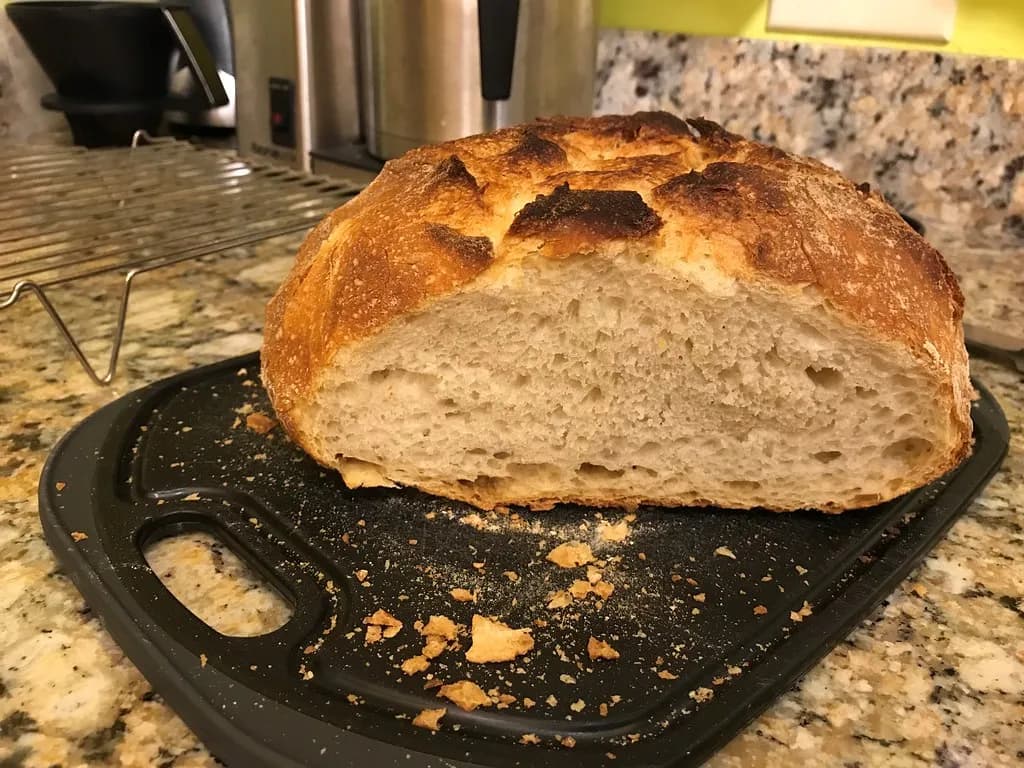
The joke about pandemic sourdough was supposed to have an expiration date. Four years on from the first lockdown loaves, the joke hasn't aged well, because sourdough hasn't gone anywhere. If anything, it's bigger now than it was in 2020.
That claim sounds like nostalgia talking, but the data backs it up, and so does a viral moment from just weeks ago involving a 177-year-old sourdough starter that traveled the Oregon Trail.
How big was the original pandemic sourdough boom?
During the 2020 COVID-19 lockdowns, home baking exploded as a hobby, and sourdough in particular took off in areas hit by commercial yeast shortages, since a sourdough starter doesn't require store-bought yeast at all, just flour, water, and time. Bread-baking books saw sales spikes, and an entire generation of home cooks learned to talk about hydration ratios and autolyse for the first time, a shift documented on Wikipedia's entry on pandemic baking.
Did sourdough interest actually survive after lockdowns ended?
It did, and it's still climbing. Google Trends data shows a steady increase in searches for sourdough since the pandemic, with a threefold resurgence already visible in 2024 compared to the immediate post-lockdown lull, according to Bake Magazine. Rather than a one-time spike that faded, interest settled into a smaller pandemic-era baseline and then started climbing again as sourdough shifted from an emergency hobby into a weekend ritual for a dedicated community of bakers.
Online and in-person sourdough circles have emerged as a real fixture of the hobby, communities where beginners and experienced bakers trade tips, troubleshoot problem starters, and in some cases physically pass along portions of their own starters to newcomers, keeping a kind of living lineage going from one baker to the next.
What just happened with the 1847 Oregon Trail sourdough starter?
Just this year, a starter with genuine historical provenance found new fame online. Carl Griffith's sourdough starter has a documented history stretching back to at least 1847, when it was carried across the Oregon Trail from Missouri to Oregon, reportedly by Basque-American sheep farmers, according to the Washington Post. It was passed down through generations until it reached Carl Griffith as a boy around 1930 in a Basque-American sheep camp.
After Griffith's death, a group in Greeley, Colorado, organized as the 1847 Oregon Trail Sourdough Preservation Society to keep the starter alive and distribute samples to bakers who wanted a piece of it. A viral TikTok video about the starter's backstory sent requests through the roof this year, according to local reporting from 9News, overwhelming the small volunteer group with thousands of sample requests almost overnight.
Why does sourdough keep resurging instead of fading like other food trends?
Part of the answer is that sourdough isn't really one trend, it's a hobby with its own internal culture, tools, and communities that don't depend on a single viral video to sustain themselves. A starter, once established, becomes an ongoing project rather than a one-off recipe, which naturally produces recurring content: feeding schedules, troubleshooting a sluggish rise, documenting a particularly good crumb shot. That gives sourdough a structural advantage over trends built around a single dish.
There's also a tactile, almost meditative appeal that keeps drawing new bakers in even once the pandemic's forced idle time is long gone. Market analysts have projected the sourdough bakery category to nearly double in value by the early 2030s, driven partly by manufacturers now offering sourdough pastries, rolls, and pizza bases well beyond the basic boule that defined the original 2020 craze.
Where does the sourdough trend go from here?
If the last four years are any indication, sourdough has graduated from pandemic coping mechanism to a durable, self-sustaining corner of home cooking culture, one with its own communities, its own historical folklore, and, evidently, enough staying power to send a 177-year-old starter viral all over again on a whim.
Why is sourdough easier to bake at home than people expect?
A lot of the intimidation around sourdough comes from its reputation rather than its actual demands. Unlike commercial yeast breads, which need precise proofing times and a warm environment to rise reliably, a sourdough starter is a living culture that adapts to whatever kitchen it's kept in, meaning the process forgives a fair amount of variation in timing and temperature once a baker understands the basic signs of a starter that's ready to use: doubled in size, visibly bubbly, and smelling pleasantly sour rather than harsh.
The real barrier for most beginners isn't technique, it's patience. A starter takes one to two weeks to establish from scratch, and a single loaf typically involves stretching the process across most of a day or overnight, hours most people don't associate with home baking. That slower rhythm is part of what has made sourdough communities so social in the first place, since maintaining a starter naturally produces more dough than one household needs, encouraging bakers to share extra starter, and extra loaves, with neighbors and online groups alike.
Published in The Outspoken Digest
Editorial desk
Outspoken Digest Food DeskCooking, ingredients, restaurants and the economics of what ends up on the table.
Newsletter
The Digest, in your inbox
One edition, sent when it is ready. No noise, and your address is never passed on.
Read Next
More Latest Trends →
Navi Pillay, the South African Jurist Who Led the UN Gaza Inquiry, Wins the 2026 Nobel Peace Prize
Oct 9, 2026/3 min read

Trump Says the US Will Not Attack Iran Before the Midterms, While Tanker Attacks Cut Hormuz Traffic to a Two-Month Low
Oct 9, 2026/3 min read

Russian Strikes Killed 22 in Pryluky and at Least 30 on Two Buses in Kramatorsk Within Two Days
Oct 9, 2026/2 min read

A Year After the Gaza Ceasefire, More Than 100 Aid and Rights Groups Say It Exists in Name Only
Oct 9, 2026/2 min read