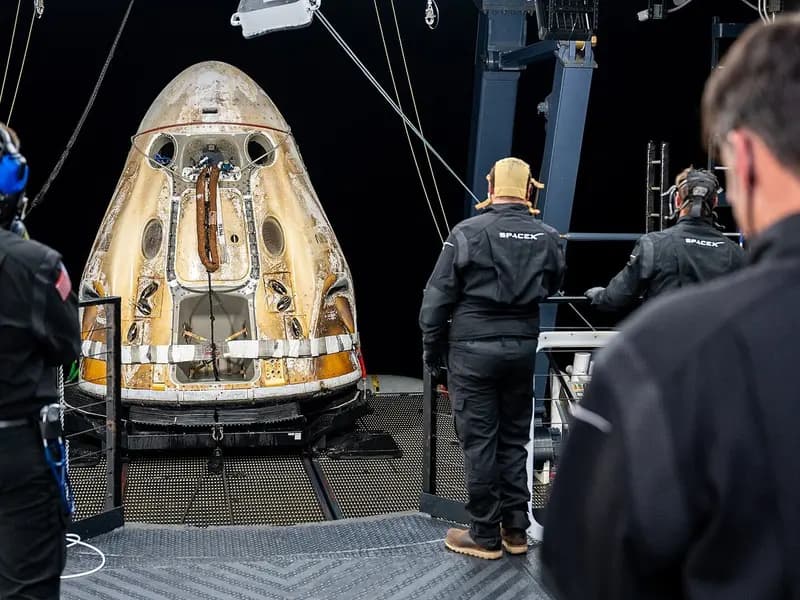
SpaceX Agrees to Buy a Nationwide Block of 800 MHz Spectrum, Reportedly for $8 Billion, to Back Starlink Mobile
The deal for Grain Management's low-band licences needs FCC approval. Analysts say spectrum brings coverage, not capacity, and a rival network could cost between $50 billion and $130 billion.
Outspoken Digest Technology Desk
Friday, October 9, 2026/3 min read
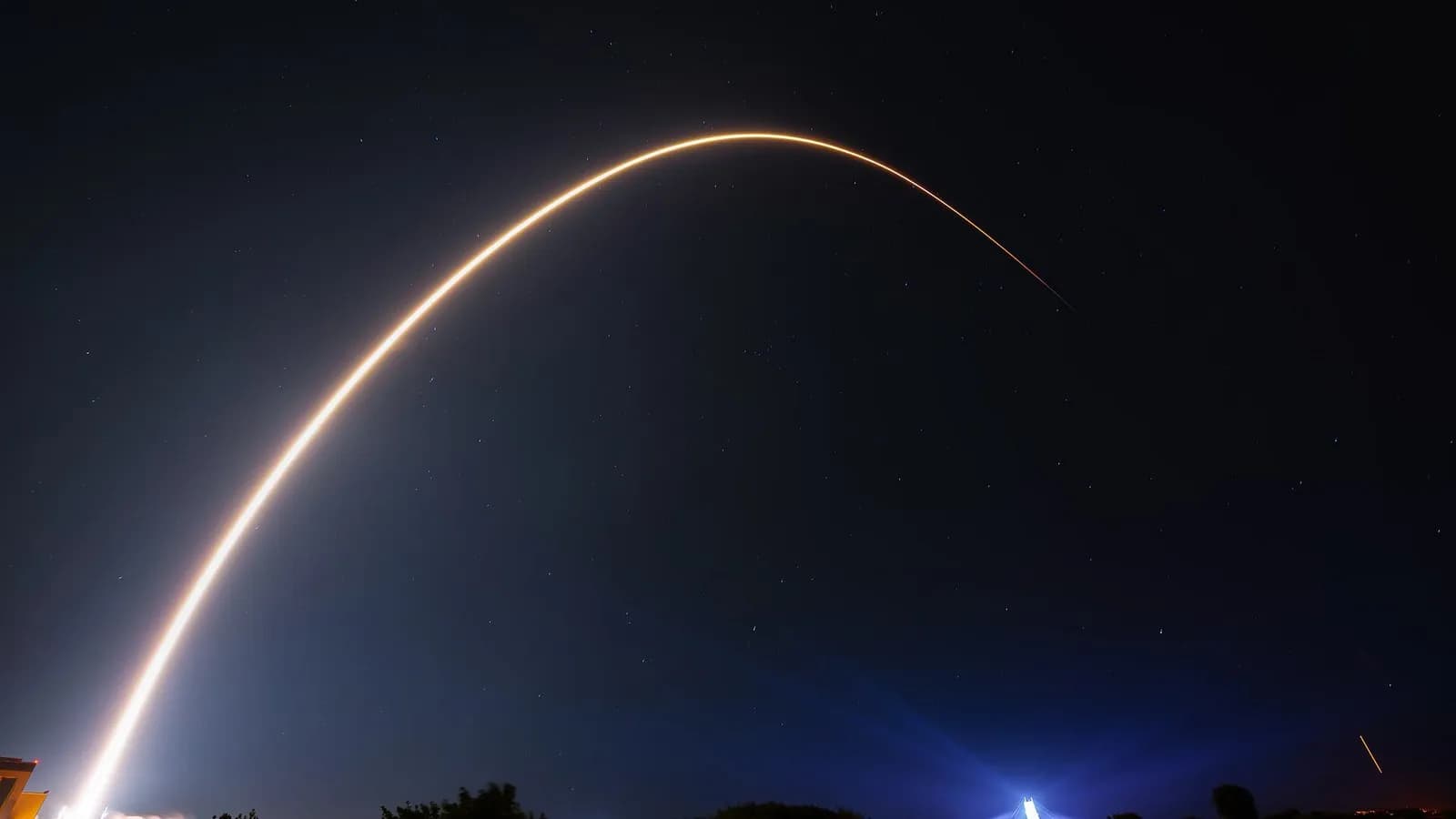
SpaceX has agreed to buy airwaves that would help its Starlink Mobile service reach phones indoors and in areas with limited coverage. On Thursday 8 October the company agreed to acquire private-equity firm Grain Management's nationwide 800 MHz spectrum, up to 14 MHz of paired spectrum, subject to approval from the Federal Communications Commission, according to RCR Wireless News.
Neither side disclosed a price. The Wall Street Journal, citing people familiar with the matter, reported about $8 billion in cash, a figure Reuters carried.
Why does 800 MHz matter for a satellite service?
Low-band signals travel long distances and penetrate walls and tree cover, Reuters notes. SpaceX's Starlink Mobile already holds global 2 GHz mid-band spectrum, and RCR says the new licences are meant to complement it and help connect devices indoors and in areas with limited terrestrial coverage. Elon Musk said the purchase will deliver "complete phone coverage in America", and called it an earthquake for those who understand the spectrum wars.
The licences have a short history. Grain bought them from T-Mobile in August in exchange for cash and Grain's own 600 MHz holdings, RCR reports. This week the FCC also approved SpaceX's request to deploy a constellation of 15,000 direct-to-device satellites, and waived standard leasing requirements for certain spectrum SpaceX bought from EchoStar.
What do the carriers and analysts say?
The incumbents are unimpressed. A Verizon spokesman, Rich Young, said a company can hold plenty of spectrum, but it does not matter if it lacks the network to use it. Analyst Vish Nandlall made a related point to RCR, that spectrum delivers coverage rather than much capacity. Bernstein Research estimates a competitive nationwide network would cost between $50 billion and $130 billion to build, and BNP Paribas puts a US build at about $100 billion. By Nandlall's arithmetic, recovering $50 billion over ten years from 20 million subscribers would take about $21 per subscriber each month before operating costs, a hard starting point for a low-price challenger.
Others read the deal as a signal of intent. Morgan Stanley analysts wrote that it shows SpaceX will be a more aggressive buyer of spectrum, and Grain's chief executive, David Grain, said it has the potential to change where and how Americans connect, according to Reuters. FCC chair Brendan Carr said it would bring more investment and opportunities for a range of providers.
How did the market read it?
Quickly, and not kindly to the carriers. T-Mobile, Verizon and AT&T fell about 6 per cent in extended trading on Thursday, Reuters said. In premarket trading on Friday they were down between 5.5 and 7.4 per cent, and Reuters via Euronext reports that Europe's telecoms index fell more than 2 per cent to its lowest since 30 January. Tower operators American Tower, Crown Castle and SBA Communications rose between 6.7 and 8.3 per cent, and SpaceX shares rose 4 per cent.
What happens next?
The deal still needs FCC approval and other closing conditions, and none of the reports we read sets out a timetable for the review or for a service launch. RCR says SpaceX could pressure AT&T, Verizon and T-Mobile on pricing and in rural markets, and that it could lease towers or buy wholesale capacity rather than build a nationwide network from scratch. The coming signals are the FCC's review and whether the carriers answer with lower rural prices or tower deals of their own.
Published in The Outspoken Digest
Editorial desk
Outspoken Digest Technology DeskSoftware, hardware, artificial intelligence and what they change for everyone else.
Newsletter
The Digest, in your inbox
One edition, sent when it is ready. No noise, and your address is never passed on.
Read Next
More Technology →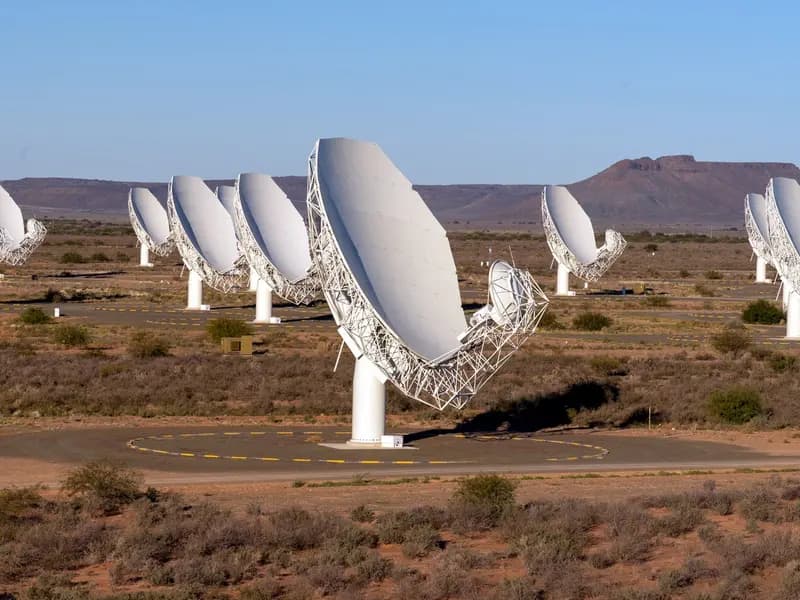
Webb and MeerKAT Find the Most Distant Fast Radio Burst Yet, From a Small Galaxy About 11 Billion Years Back
Oct 9, 2026/2 min read
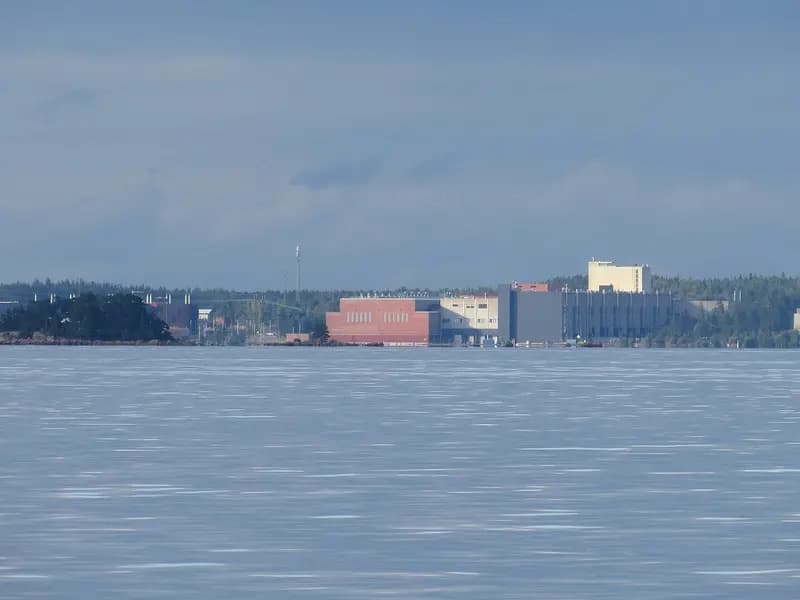
Finland Orders Google to Stop Forest Clearing at Two Data Centre Sites Until Environmental Reviews Finish
Oct 9, 2026/3 min read

Manus Raised More Than $500 Million Six Months After China Forced Meta to Unwind Its $2 Billion Takeover
Oct 9, 2026/2 min read