Divers Find the SS Cornwallis, a Canadian Freighter Torpedoed Off Maine in 1944, Nearly 400 Feet Down
Nine volunteer technical divers spent seven years searching, then dived to the wreck of the Canadian ship sunk by U-1230 with 43 lives lost, days after the same U-boat landed two spies.
Friday, October 30, 2026/2 min read
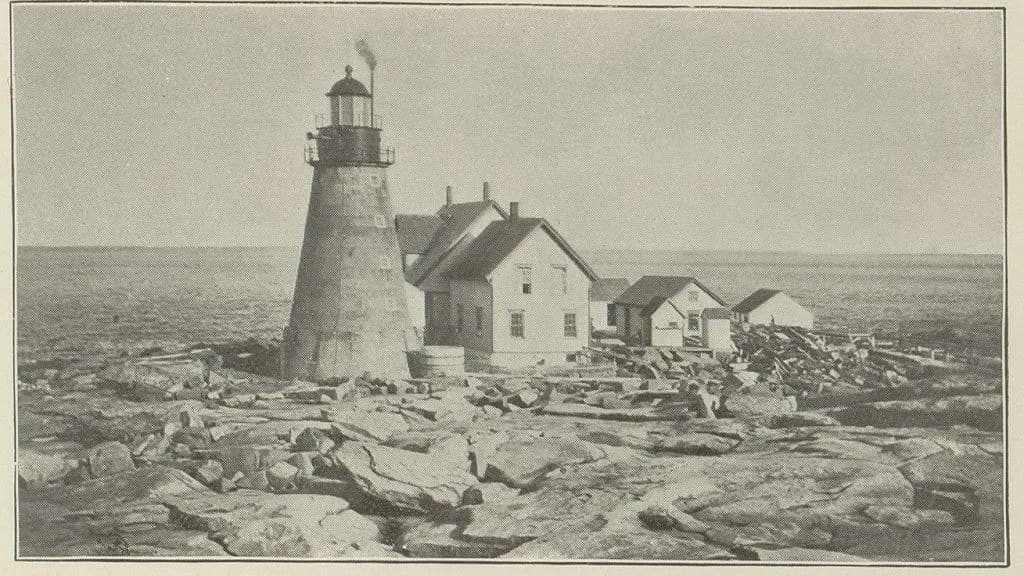
For seven years, a group of volunteer technical divers from New Hampshire searched the Gulf of Maine for a ship that a German submarine sank in under ten minutes. On 11 July they found her. The Nomad Exploration Team has now announced the wreck of the SS Cornwallis, a Canadian freighter torpedoed on 3 December 1944, lying nearly 400 feet down about ten miles west-southwest of Mount Desert Rock, the Bangor Daily News reported.
Forty-three of the 48 people aboard died. The discovery matters first as a grave and a memorial to the Battle of the Atlantic, and only second as a diving achievement.
What was the SS Cornwallis and how did she sink?
The Cornwallis was a Canadian steamship about 400 feet long, carrying sugar and molasses to New Brunswick when U-1230 hit her, according to the Bangor Daily News. Forty-eight people were aboard, including seven armed guards. Most of the crew were Canadian, and 19 came from Nova Scotia. Five survivors reached life rafts, were spotted from the air, picked up by fishing boats and taken to Rockland, Maine, by a US Navy rescue vessel.
The same submarine had landed two German agents, Erich Gimpel and William Colepaugh, on the Maine coast near Hancock Point four days earlier, an episode recounted at length in Military Times. A local Boy Scout, Harvard Hodgkins, had noticed the strangers' tracks in the snow, and the sighting reached the FBI. Both men were later caught and sentenced to hang, and the sentences were then commuted to life in prison.
How did the divers find the Cornwallis?
The Nomad team is nine self-funded volunteers led by Danny Allan. They made five search trips and scanned more than 50 square miles with side-scan sonar. The wreck was detected in the final 100 yards of one survey, Military Times says, and it was identified against the ship's blueprints. Divers went to nearly 400 feet in the worst visibility the team had met on any wreck, with dives lasting two to three hours, the Bangor Daily News reported.
That is a different kind of diving from what most people do on holiday. Reaching those depths takes specialist training, mixed gases and careful decompression, and the team's earlier finds, the freighter William H. Machen and the patrol vessel USS Eagle 56, came from the same kind of work. This is journalism, not instruction, and any training in technical diving belongs with a certified instructor and agency.
What happens to the wreck now?
The wreck lies in federal waters, and Allan said the team does not plan to claim ownership. Its aim, he said, is to give closure to the families. The group hopes to document the ship and land a remotely operated vehicle on it next year, the Bangor Daily News said, and Divernet reports that the wreck has not yet been fully photographed. Allan also hopes to bring up a small item for relatives, though the depth makes that hard.
Stéphane Ouellette, chief executive of the Merchant Navy Commemorative Theme Project, told the paper the find honors those who died in the Atlantic campaign. The wreck is a war grave, and the next stage, the first full images, will show what remains of a ship whose loss team member Danny Allan says deserves renewed attention, as Divernet reported.
Published in The Outspoken Digest
Editorial desk
Outspoken Digest Diving DeskCovers freediving, recreational and technical diving, dive medicine and the incidents the sport learns from.
Newsletter
The Digest, in your inbox
One edition, sent when it is ready. No noise, and your address is never passed on.
Read Next
More Diving →
IUCN's First Red List of Coral Reef Ecosystems Rates 96 Percent of Shallow Reefs Critically Endangered
Oct 29, 2026/2 min read
Carabinieri Divers Rediscover Roman Wine Amphorae Off Camogli, 67 Years After They Were First Reported
Oct 28, 2026/2 min read
Divers Cement Storm-Torn Corals Back Onto Hawaii's Reefs While a 45-Day Clock Runs
Oct 25, 2026/2 min read
Polish Diver Reaches 338 Metres in North Macedonia's Vrelo Cave, a Claimed Depth Record
Oct 23, 2026/3 min read