Summer 2026 Travel: The World Cup and a Turbulent Region Collide
A World Cup spanning three countries and closed Middle East airspace are both reshaping summer routes and fares. Here is what is actually happening.
Friday, July 10, 2026/3 min read
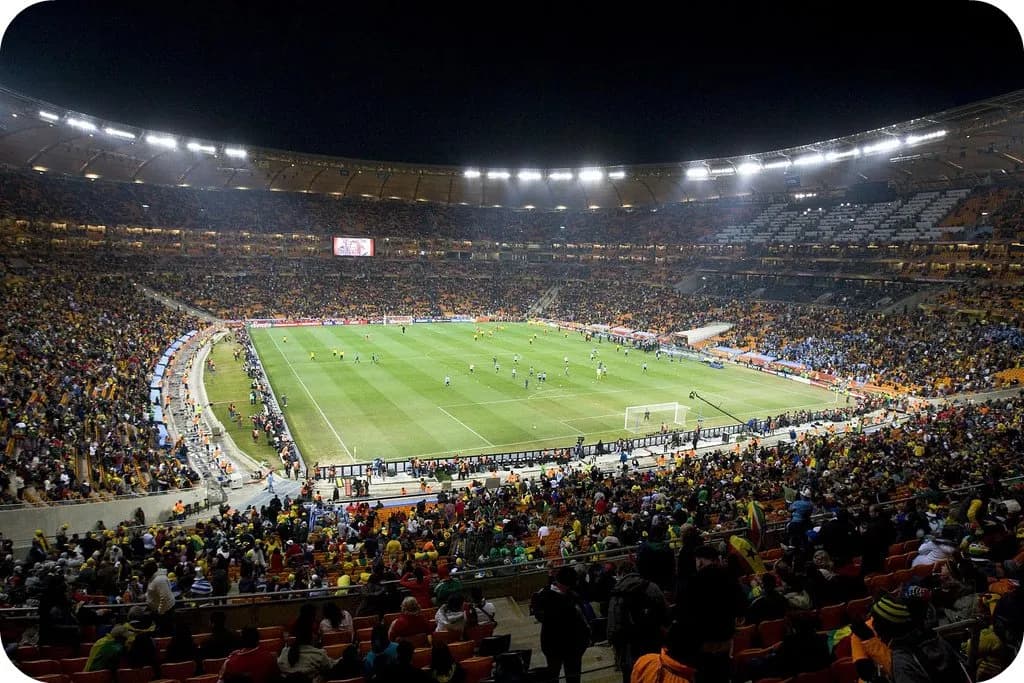
Two very different forces are pulling on summer 2026 travel at the same time. One is a scheduled celebration: the FIFA World Cup, running June 11 through July 19 across 16 cities in the United States, Canada and Mexico, the tournament's first three-country edition. The other is an unscheduled crisis: closed airspace and detoured routes across parts of the Middle East that have been reshaping long-haul flight paths for months. Neither is behaving quite the way the industry expected.
Is the World Cup actually driving the fare spikes people predicted
Partially, and unevenly. Domestic flights into host cities are running an average of 42 percent higher year over year, and fares from Europe into host cities are up an average of 13 percent, according to data reported by Wings Magazine. But that headline hides a split market: fares from Europe into eight of the eleven host cities tracked for June and July 2026 have actually fallen compared to the same period last year, according to separate reporting, suggesting demand is concentrated around specific match dates and cities rather than lifting the whole season uniformly.
Why is hotel demand in host cities running below forecast
This is the real surprise of the tournament. More than half of hotel owners in host cities are reporting demand below both their own World Cup forecasts and typical June-July booking patterns, according to Skift's reporting on the mismatch between projected and actual visitation. Rooms that might normally run about $200 a night have still climbed above $600 in some host cities during peak match windows, but the broad occupancy surge the industry banked on has not fully materialized, with travel barriers and elevated costs cited as factors keeping some international visitors away.
What is happening with Middle East airspace right now
Iran remains under a full temporary airspace closure, and Kuwait has banned all overflights through August 4, 2026, forcing international carriers onto northern and southern detour corridors. Iraq and Lebanon remain high-risk zones that most airlines continue to avoid, while Qatar, Jordan and Saudi Arabia have stayed clear and are absorbing the rerouted traffic, according to tracking by CNN. Qatar Airways has restored roughly 85 percent of its pre-crisis flight volume, running more than 140 daily departures from Doha to over 160 destinations as part of its summer 2026 schedule.
How much longer are flights taking because of the detours
Routes that would normally cross Iranian or Iraqi airspace directly are now looping through Central Asia or over the Arabian Sea, adding real time to already long journeys. A Kuala Lumpur to London Heathrow routing, for instance, can pick up an extra 30 to 90 minutes depending on which detour corridor is in use that day, according to operational tracking by OPSGROUP. Airlines have responded by trimming long-haul schedules by up to 12 percent through the end of July as fuel costs and detour time squeeze margins on the affected routes.
What does this mean for anyone booking late-summer travel
For World Cup travel specifically, the lesson of the tournament so far is that timing against the schedule beats broad assumptions about price. The stretch between booking in January versus May for a single date, like July 4th in Philadelphia, could run roughly $300 more per hotel night and $400 more per flight, underscoring how concentrated the real price spikes are around marquee match dates rather than spread evenly across the tournament window. For anyone routing through or near the Gulf, build in extra connection time and check carrier-specific routing before assuming a normal flight path, since corridor closures have shifted multiple times already this year.
Both stories point the same direction for the rest of summer 2026: less predictable than a normal peak season, with pricing and routing both driven more by specific dates and specific corridors than by the usual broad seasonal patterns. Anyone still booking should treat both the World Cup calendar and the current airspace map as live documents, not settled facts.
Published in The Outspoken Digest
Editorial desk
Outspoken Digest Travel DeskDestinations, airlines, borders and the practicalities of getting there.
Newsletter
The Digest, in your inbox
One edition, sent when it is ready. No noise, and your address is never passed on.
Read Next
More Travel →

Hurricane Isaias Closes Gulf Coast Airports and Clears Alabama's Beaches as Airlines Waive Change Fees
Oct 8, 2026/3 min read

Oktoberfest 2026 Ended With a Record 7.4 Million Visitors, Beating the Previous High by 200,000
Oct 4, 2026/2 min read

Hawaii's 90-Foot Hōlei Sea Arch, About 550 Years Old, Collapsed Into the Pacific During Storm Nolo
Oct 3, 2026/2 min read