Sweden Voted 176 to 173 for the Left, the Far Right Fell for the First Time in Twenty Years, and Nobody Has Conceded
Magdalena Andersson's bloc reversed the 2022 result to the seat, on a turnout above eighty per cent, with overseas votes still to count. The Sweden Democrats lost eleven seats. The same night the AfD more than tripled its vote in Lower Saxony.
Tuesday, September 15, 2026/3 min read
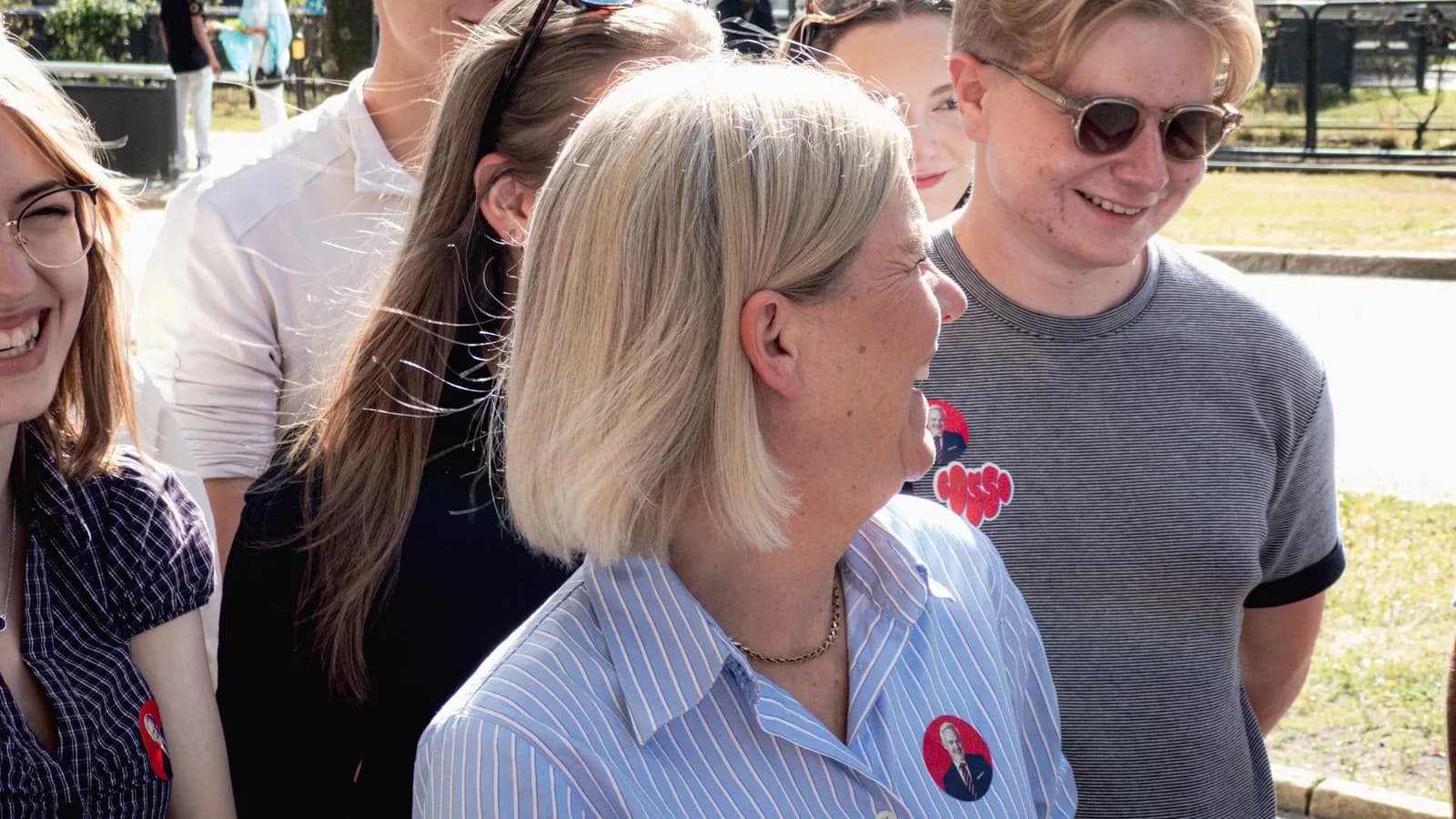
Sweden has a result and no government. With 6,195 of 6,312 districts counted on Sunday night, the centre-left bloc led by Magdalena Andersson's Social Democrats held 176 of the Riksdag's 349 seats and the governing centre-right bloc under Ulf Kristersson 173, according to NBC News. That is the 2022 result inverted to the seat. Postal and overseas ballots are still being counted and the final tally is due on Wednesday at the earliest, which is why Kristersson has not conceded and Andersson has not claimed. "Every vote that has been cast must be counted," she said. "Which government is going to govern Sweden in the coming years is still an open question," he said. Both are right.
The numbers
The Social Democrats took 28.1 per cent and 100 seats, down seven, which tells you the story is not a surge for Andersson. The Moderates rose to 19.9 per cent and 70 seats. The Sweden Democrats fell to 17.5 per cent and 62 seats, down eleven, the first time the party has lost ground in any election in Jimmie Åkesson's two decades as leader. The Left Party rose to 8.3 per cent and 29 seats, the Centre to 7.1 and 25, the Christian Democrats to 6.2 and 22, the Greens to 6.1 and 22, the Liberals to 5.4 and 19. Turnout was 80.3 per cent. The bloc totals were 49.5 per cent to 49.0, a gap of about 34,000 votes in 6.4 million. The political scientist Henrik Ekengren Oscarsson called a one-seat majority "a completely unlikely result", and one Sweden Democrat MP, Ludvig Aspling, told NBC on election night: "You cannot imagine how nervous I am right now. It feels like my life's work is hanging in the balance."
What it means
Two things, if the count holds. First, the government that took Sweden into its hardest line on migration in modern times, with the Sweden Democrats supporting it from outside the cabinet, has lost, but narrowly, and to a bloc that campaigned on cost of living and welfare rather than on reversing that line. Second, Andersson's problem is arithmetic. Her 176 include the Left and the Greens, who want higher taxes on top earners and a slower nuclear programme, and the Centre Party, which wants neither. Kristersson said on Sunday night that he would explore "whether it's possible to find a viable government constellation" even if the result held, which is a way of saying he will try to peel the Centre away. The Irish Times reports that coalition talks could run to Christmas. Sweden went 134 days without a government in 2018. It may do so again.
Lower Saxony
The other vote in northern Europe on Sunday was less close and, in one respect, more alarming. In municipal elections across Lower Saxony, the western German state that contains Hanover, Wolfsburg and Volkswagen, the CDU came first with 27.2 per cent, down 4.5 points on 2021, and the SPD second with 24.6, down 5.4. The AfD took 15.9 per cent, from 4.6 five years ago, more than tripling its vote in a state where it had never mattered, and put its candidate into the mayoral run-off in Salzgitter, a steel town with a large migrant population, with 25.7 per cent against the CDU incumbent's 45.6. The Greens took 14.1, the Left 6.0 and the FDP 3.7, and turnout rose to 64.6 per cent, according to t-online's summary of the state count. The CDU's state chairman, Sebastian Lechner, said "discontent from Berlin was clearly noticeable during the campaign", which is a member of the chancellor's party blaming the chancellor. The SPD's minister-president, Olaf Lies, said: "We all had hoped for more."
The two results are not the same story, but they rhyme. In Sweden the far right lost seats and the centre-left won by a whisker, on a turnout that suggests the country took the choice seriously. In Germany's west the far right tripled on a turnout that rose, at the expense of both governing parties at once. What connects them is the exhaustion of the parties that have governed since 1945, which in Sweden produced a razor-thin alternation and in Lower Saxony a protest. The Hanover mayoral run-off is on 27 September. Sweden's final count is on Wednesday. Neither will settle anything.
Published in The Outspoken Digest
Editorial desk
Outspoken Digest News DeskReports for The Outspoken Digest across Latest Trends, Sports, Nutrition, Crypto.
Newsletter
The Digest, in your inbox
One edition, sent when it is ready. No noise, and your address is never passed on.
Read Next
More Latest Trends →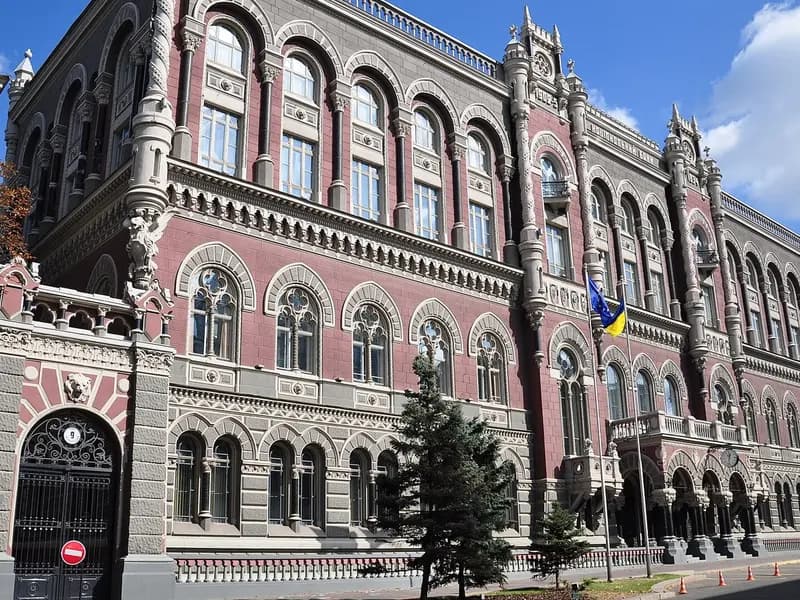
Ukraine's Anti-Corruption Bureau Searches the National Bank, and Governor Pyshnyi Says He Is Staying
Oct 22, 2026/2 min read
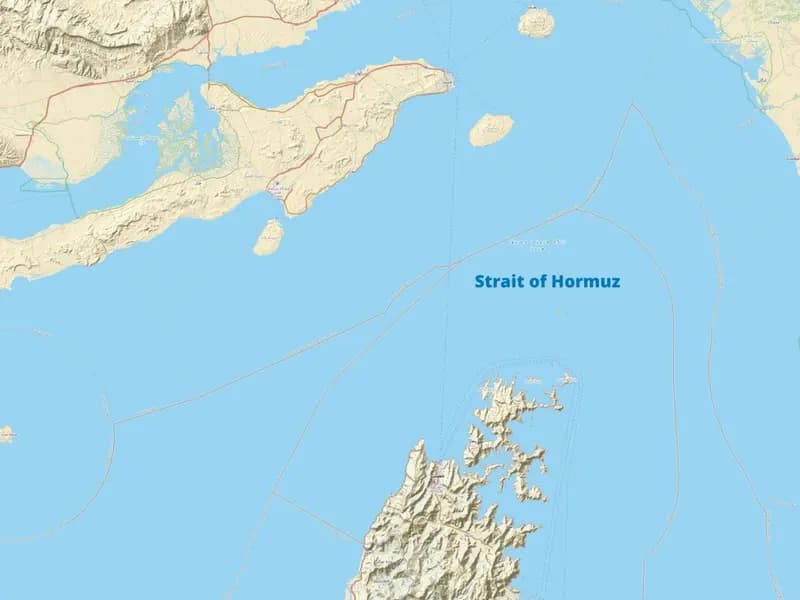
Iran Says Hormuz Stays Shut Until Washington Accepts Its Seven-Day Plan, and Explosions Are Reported on Its Coast
Oct 22, 2026/2 min read
Putin Tells Witkoff He Will Negotiate in Principle as Russia Frees American Stephen Hubbard
Oct 22, 2026/2 min read

Two Killed at a Saudi Oil Field and One at Dammam Airport as the US Orders Embassy Staff Out of Saudi Arabia
Oct 22, 2026/2 min read