Swiss Voters Reject Stricter Neutrality Rules by About 70 Percent, Leaving Sanctions on Russia Possible
An initiative to write "perpetual and armed" neutrality into the Swiss constitution and bar most sanctions was beaten on Sunday, a result that lets Bern keep mirroring European Union measures against Russia.
Monday, September 28, 2026/2 min read
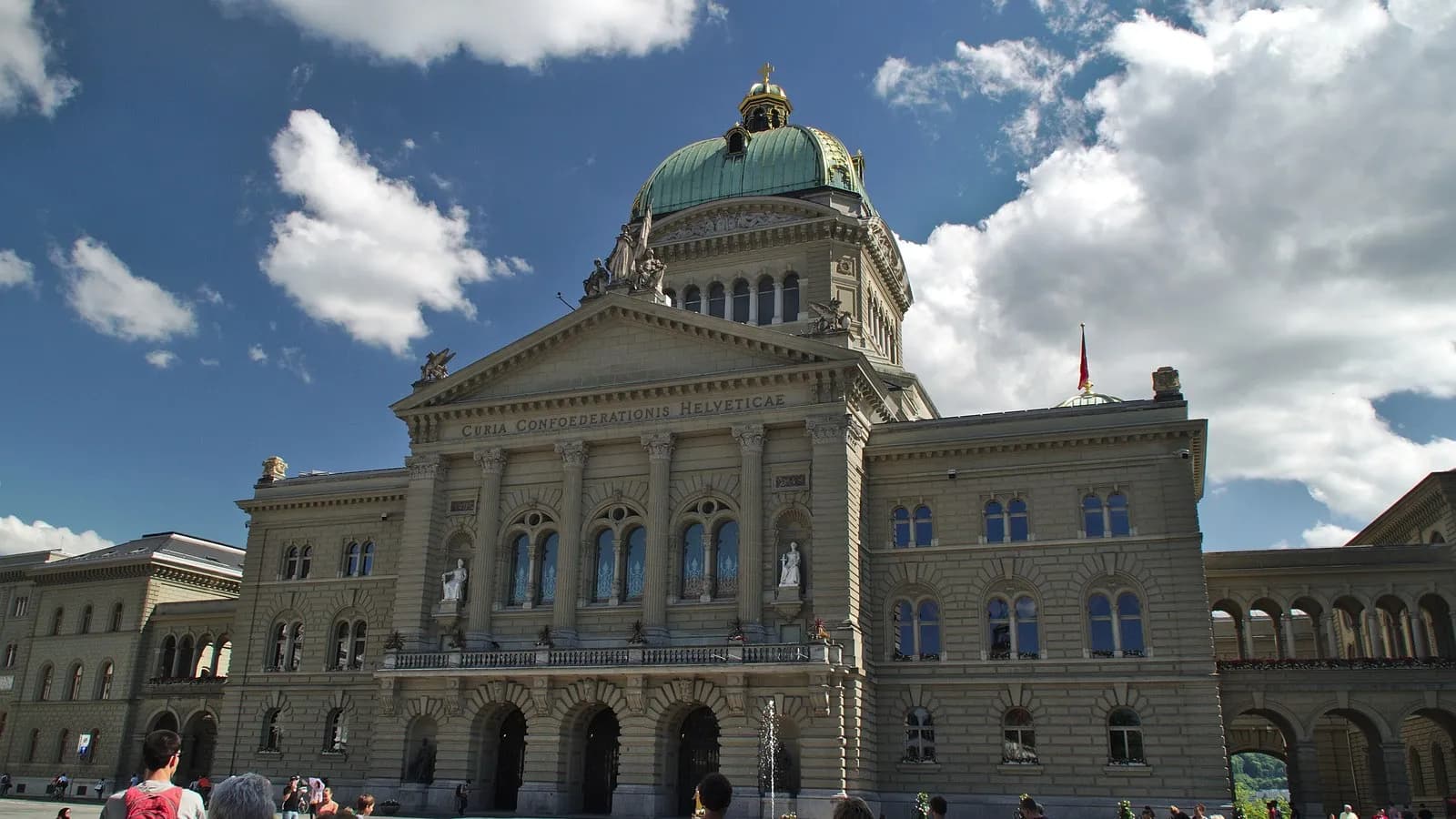
Swiss voters turned down a proposal to tighten the country's neutrality on Sunday, with just under 30 percent in favour and more than 70 percent against, according to final results from the Federal Statistical Office. Al Jazeera's report on the referendum describes a clear defeat for a campaign that Moscow had welcomed and that the government, parliament and nearly every major party had fought.
What the initiative would have done
The proposal was organised by the sovereignty group Pro Switzerland and backed by the Swiss People's Party, the country's largest. It would have defined neutrality as "perpetual and armed", barred Switzerland from joining military or defence alliances unless the country was attacked or an attack was imminent, and allowed sanctions against warring states only where the United Nations Security Council had approved them. Because Russia holds a veto on that council, the sanctions clause would in practice have ended the policy Switzerland adopted after the 2022 invasion of Ukraine, when it began mirroring European Union measures against Moscow.
The government told voters the change would leave the country "less able to respond to international crises". Neutrality has long been a defining national idea: Al Jazeera notes that Switzerland has been recognised as neutral since 1815 and that the principle has sat in the federal constitution since 1848.
Cassis: not a vote against neutrality
Foreign Minister Ignazio Cassis was careful about how the result is read. Swissinfo quotes him saying: "This result is not a vote against neutrality," and, "Switzerland was neutral yesterday, it is neutral today." He defended the decision to follow EU sanctions on the grounds that "the fate of Ukraine touched the interests of a small country like Switzerland directly."
The practical consequence, Swissinfo reports, is that the government will keep its established, flexible reading of neutrality, which allows it to continue sanctioning Russia and to cooperate with partners without a constitutional straitjacket.
Money, Moscow and a quick concession
The campaign was not short of resources. The billionaire and former People's Party leader Christoph Blocher put about 3.9 million Swiss francs, roughly $4.7 million, into backing it, Swissinfo reports. Moscow, for its part, had openly urged a yes vote, and Al Jazeera says Russia and other supporters of strict neutrality had criticised the sanctions decision as taking sides in the war.
Voters did not reward that effort. The People's Party accepted the defeat and said it had no current plans for further action, according to Al Jazeera. Swissinfo adds that the same ballot included a food security proposal, which was rejected with less than 28 percent support, and that this was the second initiative backed by the People's Party to fail this year.
What it settles, and what it does not
The vote settles a narrow question. Switzerland will not be locked into a rigid definition of neutrality, and the sanctions regime against Russia can continue under existing law. It does not end the argument about how far a neutral state should go in aligning with its neighbours when a war is raging on the same continent, a debate that Cassis's own phrasing, a refusal to treat the result as a repudiation of neutrality itself, suggests the government expects to keep having. For now, though, the country's voters have said they prefer a neutrality that bends to circumstances over one fixed in the constitution.
Published in The Outspoken Digest
Editorial desk
Outspoken Digest News DeskReports for The Outspoken Digest across Latest Trends, Sports, Nutrition, Crypto.
Newsletter
The Digest, in your inbox
One edition, sent when it is ready. No noise, and your address is never passed on.
Read Next
More Latest Trends →
Trump Rallies in Port Huron Against El-Sayed as Michigan's Senate Race Enters Its Final Eleven Days
Oct 26, 2026/2 min read

Trump Rules Out a Sunday Strike on Iran as Qatari Mediators Reach Tehran and Houthi Missiles Hit Saudi Arabia
Oct 26, 2026/3 min read

Zelenskyy Confirms Trilateral Peace Talks With Russia and the US Will Take Place in November
Oct 26, 2026/2 min read
Serbia's Student List Wins the Election as Vucic Concedes, Ending 14 Years of Progressive Party Rule
Oct 26, 2026/2 min read