Technical Divers Are Rebuilding Corals Where Sunlight Barely Reaches
NOAA teams outplanted corals at 66 meters during a 2026 Gulf mission. The work shows how advanced diving and laboratory science can restore difficult deep habitats.
Sunday, August 2, 2026/2 min read
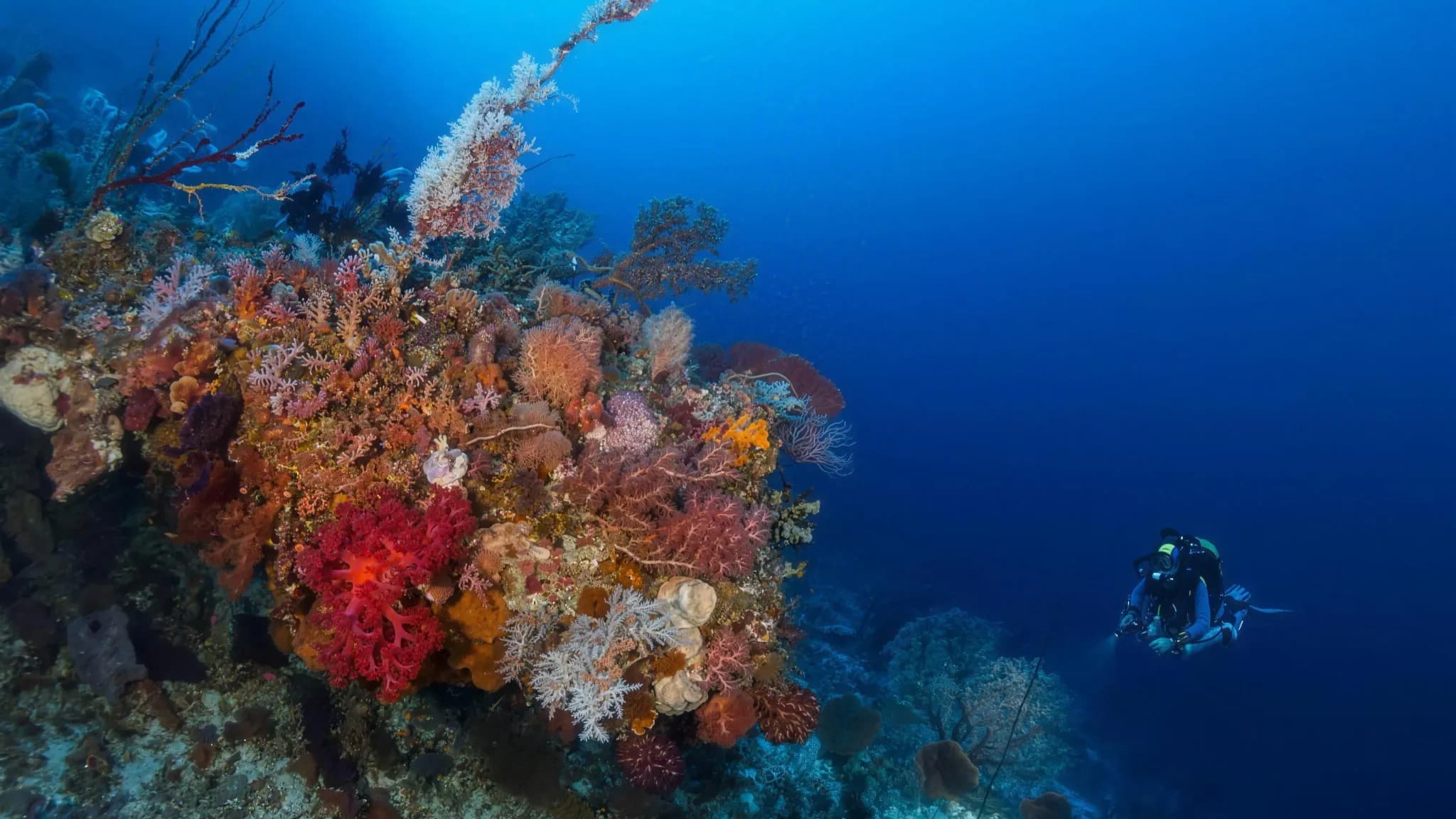
At 66 meters, a coral restoration project becomes a diving operation with almost no room for improvisation. Bottom time is limited, decompression obligations accumulate and every tool must work in low light under pressure. NOAA's 2026 Gulf mission used that demanding environment to move coral restoration beyond shallow reefs.
What the latest evidence says
NOAA reports that technical divers outplanted 26 mesophotic corals onto artificial domes and relocated 16 fragments to begin new colonies. The team also collected biological samples, sediment cores and water, deployed hydrophones and mapped more than 14 square nautical miles of seafloor. The work targets habitat injured by the Deepwater Horizon spill.
NOAA deep coral restoration mission provides the primary data and institutional assessment behind this report.
NOAA mesophotic restoration program adds the second official reference used to compare the outlook and its risks.
Why this matters now
Mesophotic reefs sit in the middle-light zone, deep enough that ordinary recreational profiles are unsuitable but shallow enough for specialized divers to perform precise work. Remotely operated vehicles can survey and lift, yet trained hands remain valuable for delicate placement, sampling and rapid judgment at the site.
What to expect in the upcoming period
The mission is designed as a long program rather than a one-time transplant. Teams plan to return, monitor growth and compare field observations with laboratory genetics and reproduction work. That feedback is essential because a coral surviving placement is not the same as a colony becoming self-sustaining.
The risk inside the forecast
The achievement should not romanticize depth. This is expert technical diving supported by a research vessel, detailed gas planning, surface teams and emergency procedures. Recreational divers should not attempt similar profiles without the training, equipment and operational support appropriate to the environment.
What readers should watch next
The broader value is hopeful. Divers are not only witnesses to reef decline; in carefully designed programs they can become part of repair. NOAA's team combined human skill with sonar, cameras, genetics and acoustic monitoring. That mixture may be the model for restoring habitats too deep for easy access and too important to ignore.
Published in The Outspoken Digest
Editorial desk
Outspoken Digest Diving DeskCovers freediving, recreational and technical diving, dive medicine and the incidents the sport learns from.
Newsletter
The Digest, in your inbox
One edition, sent when it is ready. No noise, and your address is never passed on.
Read Next
More Diving →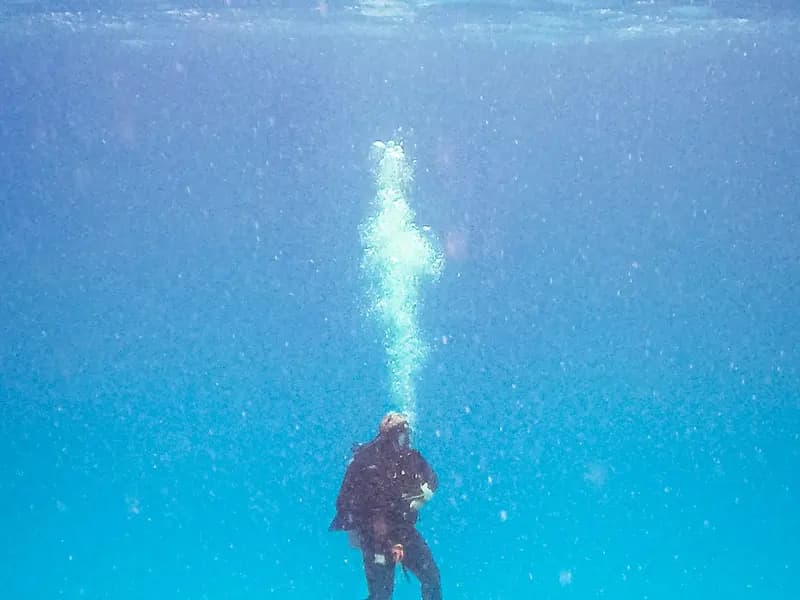
Breathless and Coughing Pink Froth After a Dive: Immersion Pulmonary Edema Explained
Oct 17, 2026/3 min read
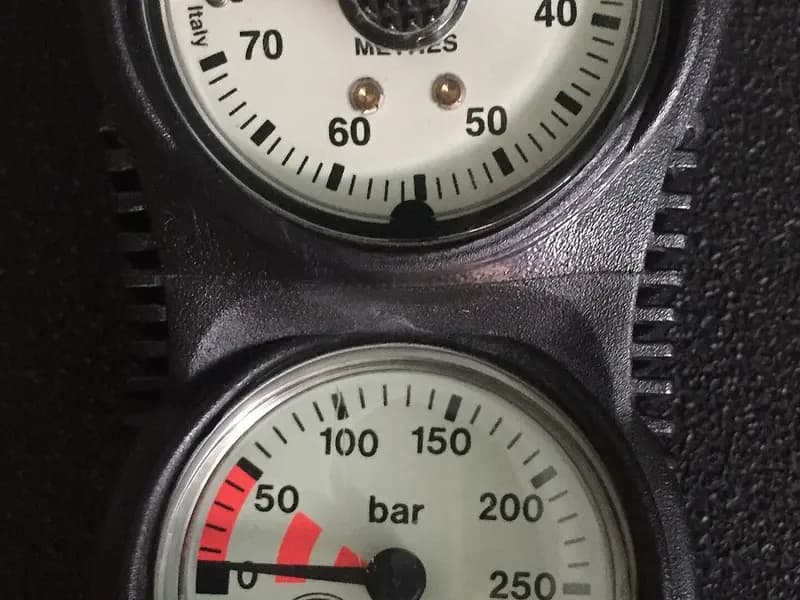
Your Gas Consumption Is Not One Number: Why Depth, Cold and Nerves Change It
Oct 16, 2026/3 min read
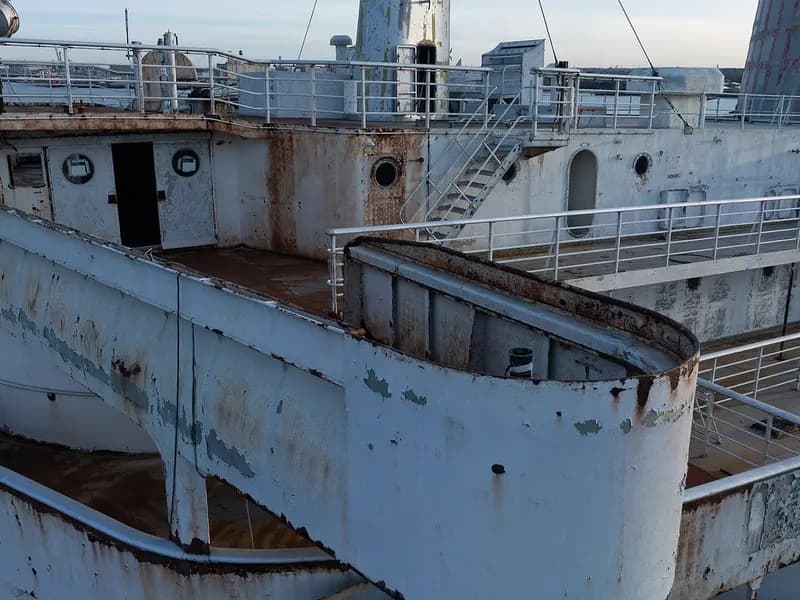
SS United States Reef Sinking Targeted for November: What Divers Should Know
Oct 16, 2026/2 min read
Divers Excavating Off Kekova Find a Wreck Believed to Be the World's Oldest, Turkey Says
Oct 15, 2026/2 min read