Nvidia Rival Tenstorrent Raises $1.5 Billion at a $6.2 Billion Valuation After Turning Down Takeover Talks
The RISC-V chip designer led by Jim Keller more than doubled its 2024 valuation and chose to stay independent, betting on servers that run open-weight models.
Outspoken Digest Technology Desk
Wednesday, October 21, 2026/2 min read
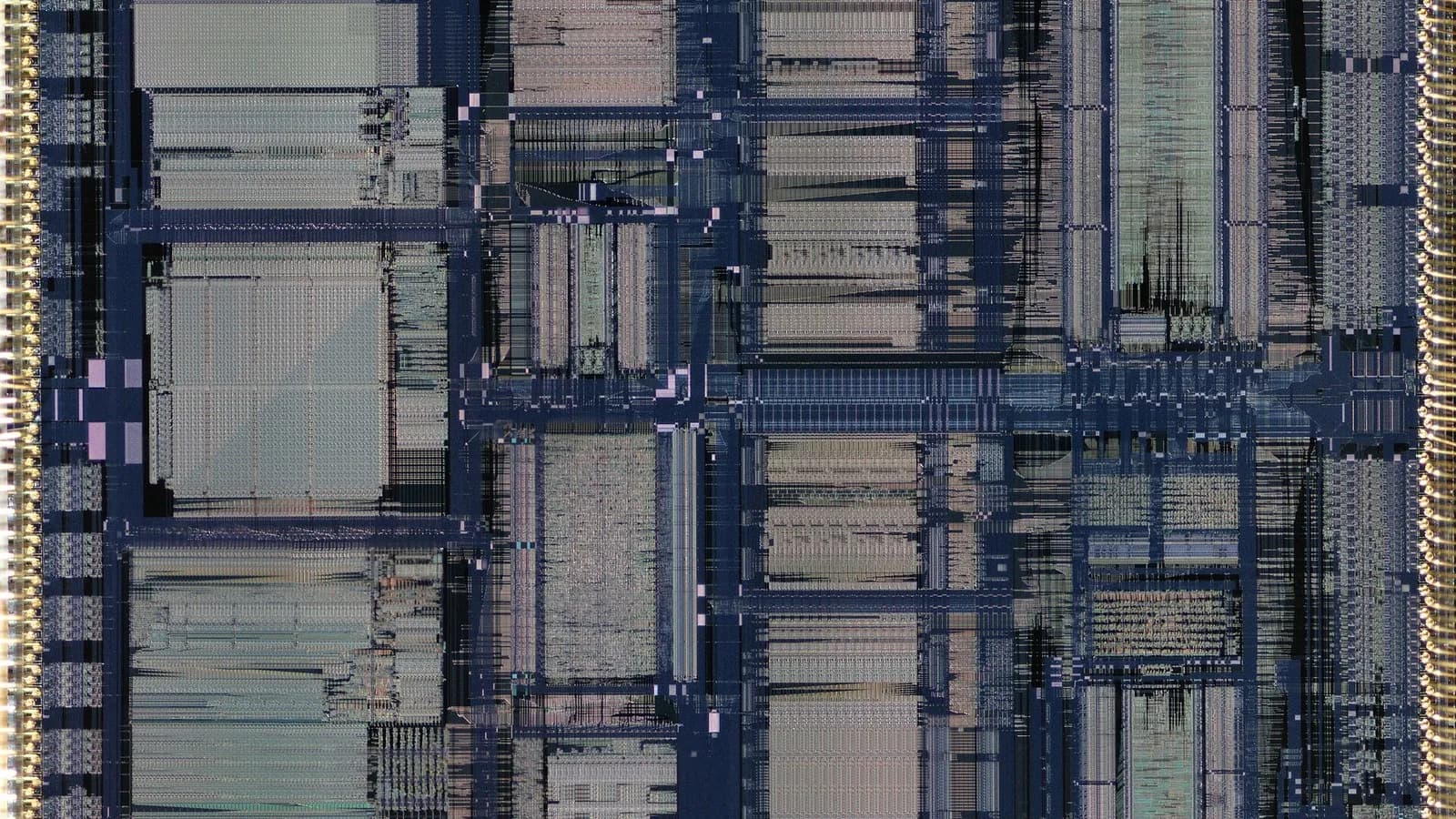
Five months after reports that Intel and Qualcomm wanted to buy it, the AI chip company Tenstorrent has done the opposite of selling. It has raised $1.5 billion at a valuation of $6.2 billion, and its chief executive, Jim Keller, says the plan is to stay independent.
The Series E was announced on Monday, according to The Next Web. It more than doubles the $2.6 billion valuation of the company's 2024 round.
Who invested in Tenstorrent?
Trace Capital and Innovation X led the round. Other backers include ARK Invest, Fidelity, Morgan Stanley, T. Rowe Price, Tether Investments, Cadence Ventures, Eclipse and Sandisk, with some of them existing investors. TechCrunch describes Trace as a new firm launched by Quiet Capital co-founder Ben Mahdavi.
The round's size and valuation are consistent across both outlets. Neither gives a closing date or each investor's stake.
Why did Tenstorrent say no to Intel and Qualcomm?
Bloomberg reported in May that Tenstorrent had held takeover talks with Intel and Qualcomm, and TechCrunch says the interest reached valuations of up to $5 billion. Keller told Bloomberg the company decided to raise money instead.
The turning point, according to The Next Web, was a May demonstration of Galaxy servers running DeepSeek models. It convinced the company that it could compete on price and win smaller orders that bigger rivals may overlook. Keller summed up the product strategy in one line: "We built one architecture and sell it at every size."
What will the money build?
The funds go mainly to deploying Galaxy servers at scale. They run open-weight models, from large language models to video generation. Tenstorrent also licenses AI and CPU designs to chipmakers including Samsung and LG.
Its processors use the open RISC-V instruction set and its software stack is open source. That is a deliberate contrast with Nvidia's closed CUDA ecosystem, a gap that Google and Amazon are also attacking from the software side, as we covered in our report on TorchTPU and TorchNeuron.
The licensing arm matters as much as the servers. Selling designs to companies that build their own chips gives Tenstorrent revenue that does not depend on winning a head-to-head contest with Nvidia in a data hall.
Can a smaller chip firm beat Nvidia?
Not by matching it everywhere. TechCrunch frames the bet as inference for open models, a market where open models let customers choose their own hardware. It also notes that another challenger, Etched, was reportedly fielding offers at a $40 billion valuation or more, which shows how hot the space is.
The test is delivery. Tenstorrent now has the cash and the independence to ship at volume, and customers will judge whether its servers match what Nvidia offers on cost and reliability.
Published in The Outspoken Digest
Editorial desk
Outspoken Digest Technology DeskSoftware, hardware, artificial intelligence and what they change for everyone else.
Newsletter
The Digest, in your inbox
One edition, sent when it is ready. No noise, and your address is never passed on.
Read Next
More Technology →
Astronomers Say a Pulsar's Odd Slowdown Is Explained by a Hidden Sunlike Star, Making It a Rare Stellar Trio
Oct 21, 2026/2 min read

Interstellar Comet 3I/ATLAS May Have Lost Metres of Its Surface to the Sun, a New Estimate Finds
Oct 21, 2026/2 min read

A Power Event in Google Cloud's London Region Knocked Out Banking Apps and Delivery Services for Hours
Oct 21, 2026/2 min read

An Indian Certificate Authority's Private Keys Were Trivially Guessable, and Browsers Have Revoked Them
Oct 21, 2026/2 min read