Tesla Beats Profit Estimates on $28.05 Billion in Revenue, Then Slips After Hours
Adjusted earnings of 48 cents topped forecasts and free cash flow turned positive at $1.53 billion, but deliveries fell 2 percent and energy storage came in short of what analysts expected.
Thursday, October 22, 2026/2 min read
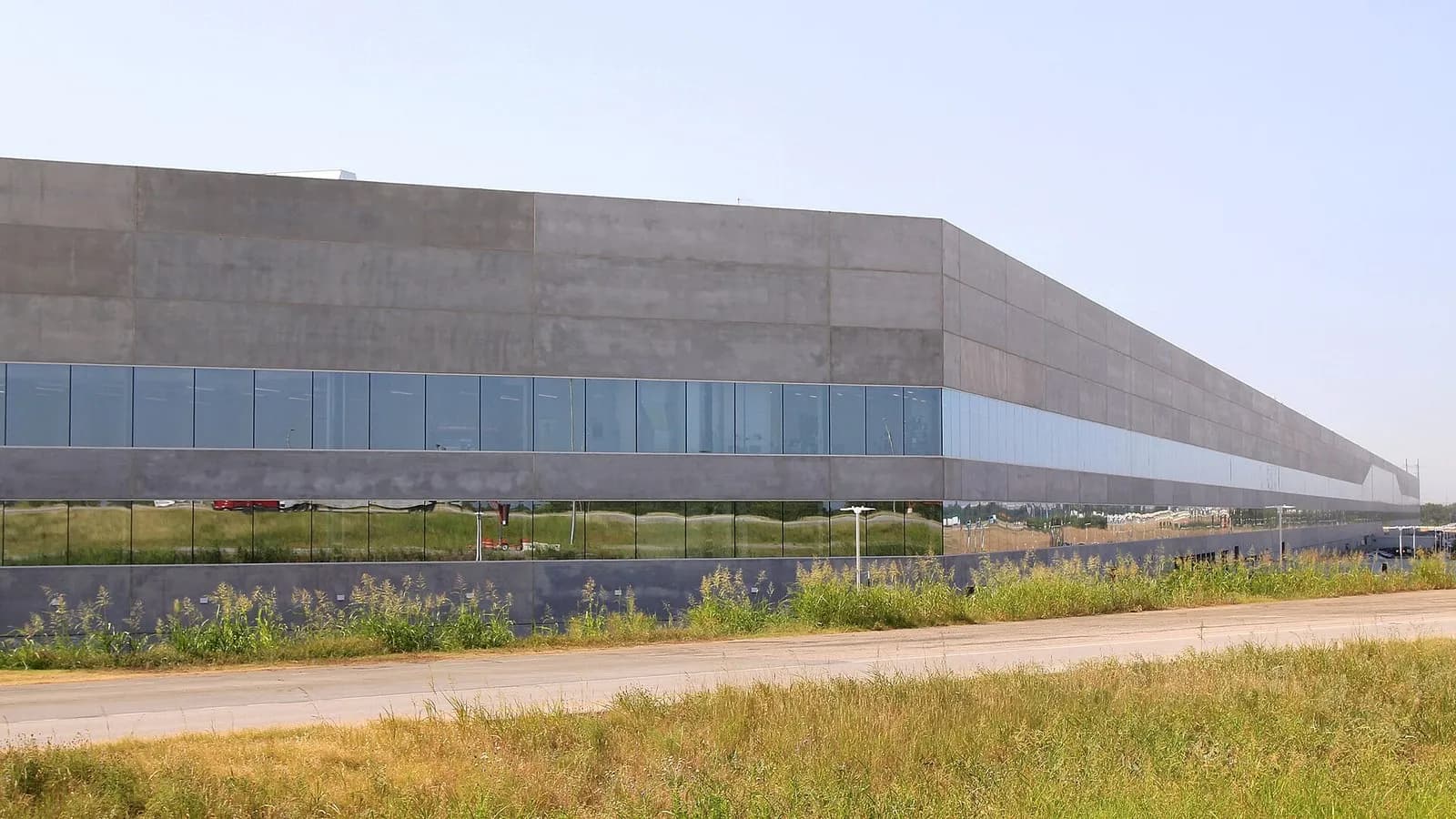
Tesla reported a third quarter that beat on profit and landed roughly where analysts expected on sales, and investors were not wholly convinced. Adjusted earnings were 48 cents a share against about 45 cents expected, and revenue was $28.05 billion, flat on a year earlier, Electrek reported from the company's results.
The shares rose 3.41 percent to $386.47 in the regular session on Wednesday, then fell 2.22 percent to $377.88 after hours, according to Investing.com's earnings-call write-up.
How profitable was Tesla's third quarter?
Profit beat the adjusted forecast but fell from a year ago. Adjusted earnings per share were down 4 percent from 50 cents, and net income on a GAAP basis fell 43 percent to $787 million. Operating income was $718 million, down 56 percent, because research and development spending rose 69 percent to $2.76 billion and stock-based compensation grew faster than gross profit, Electrek said. Total gross margin improved to 19.6 percent from 18.0 percent a year earlier.
Free cash flow was $1.53 billion, against $3.99 billion a year ago, and cash and investments totalled $45.4 billion. Capital spending was $4.73 billion, more than double the prior-year figure.
How many cars did Tesla deliver, and what about energy?
Tesla delivered 486,532 vehicles, down 2.1 percent year on year, and says battery availability is the main limit on volume, with its largest backlog for passenger vehicles in four years. Energy storage deployments reached 13.7 gigawatt-hours, short of the roughly 15.9 expected by analysts. Energy revenue fell 16 percent to $2.88 billion, which Tesla partly blamed on tariff-related customer refunds. Services revenue rose 33 percent to $4.61 billion.
What did Tesla say about robotaxis, Optimus and the SpaceX merger?
Active full self-driving subscriptions reached 1.74 million, up 67 percent, though the count includes upfront purchases. On the call, a Tesla executive said the company now operates robotaxis in six cities, with Dallas next. Elon Musk said reaching 20,000 Optimus humanoid robots a week will take at least a year and that customer deliveries are expected around the end of 2027, mainly for industrial use first, according to the transcript.
Tesla declined to take questions on a possible merger with SpaceX, and Musk said he had already said what he could. Both boards formed special committees this week, as we reported in our merger story.
Musk said demand is exceeding production by a significant margin and credited full self-driving as the main driver, adding that European approval of the system could come within months, possibly by the first quarter. He also said a planned chip fab, which he calls Terafab, could require tens of billions of dollars through early 2028.
The next checkpoints are Tesla's fourth-quarter delivery count in early January and whether the company supplies more detail on the merger review before then.
Published in The Outspoken Digest
Editorial desk
Outspoken Digest Markets DeskReports for The Outspoken Digest across Business, Crypto.
Newsletter
The Digest, in your inbox
One edition, sent when it is ready. No noise, and your address is never passed on.
Read Next
More Business →
Nasdaq Jumps 1.05% as SpaceX and Super Micro Revive the AI Trade While Netflix and AT&T Slide
Oct 22, 2026/2 min read
Jio Platforms Raises Rs 8,110 Crore From Anchors at the Top of Its Range as India's Biggest IPO Opens
Oct 21, 2026/2 min read
Netflix Beats on Profit, Then Slides After Hours as It Trims Its Ad Forecast and Guides Lower
Oct 21, 2026/2 min read
Wall Street Rebounds as AI Stocks Recover, With the Nasdaq Up 1.1% and the 10-Year Yield Above 5.15%
Oct 20, 2026/2 min read