Most of Tesla's Quarterly Profit Came From SpaceX
A stake Musk's carmaker holds in his rocket company produced more paper profit last quarter than building and selling cars did. On the earnings call, he stopped short of denying a merger.
Outspoken Digest Technology Markets Desk
Monday, August 3, 2026/2 min read
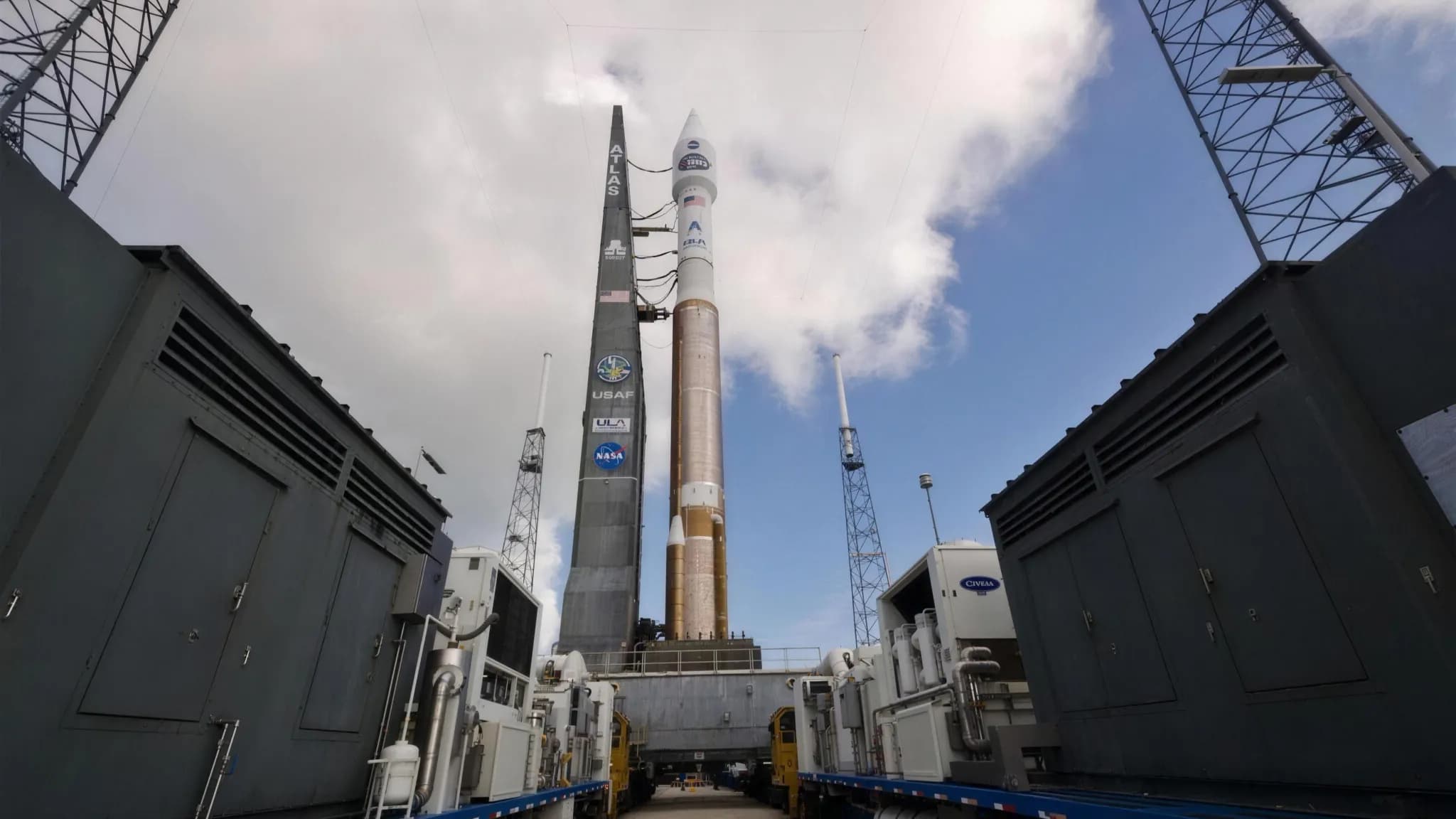
Tesla reported 1.1 billion dollars of net income for the second quarter. Roughly 750 million of it came from marking up a shareholding in a company that does not sell cars.
Operating income, the number that measures the actual business of building and delivering vehicles, was 398 million dollars, a margin of 1.4 percent. The rest was arithmetic performed on a stake in SpaceX.
What Musk said about a merger
Asked on the call about the synergies of combining the two companies, Musk did not dismiss it. As reported by Electrek, he answered that as you can tell from all the many collaborations on so many fronts with SpaceX, there is more and more overlap.
He then stepped back, saying that obviously we cannot talk about combining companies and that kind of thing on a call, and that it has to be done with the appropriate process.
That is not a confirmation. It is also conspicuously not a denial, and it is the closest Musk has come to addressing the speculation directly.
How the stake got there
The holding exists because of a chain of transactions between businesses the same person controls. Tesla's two billion dollar investment in xAI was converted into 18,990,195 shares of SpaceX Class A common stock, a position of less than one percent, after SpaceX acquired the AI startup ahead of a potential public offering.
Trade runs the other way too. SpaceX and xAI entities bought approximately 650 million dollars of goods and services from Tesla during 2025.
Musk holds around twenty percent of Tesla and controls eighty five percent of the voting power at SpaceX.
Why this is a governance question
Related party dealing is legal, common and disclosed. The difficulty is that the valuation driving most of Tesla's reported profit is of a private company whose shares do not trade on an open market, controlled by the same individual who runs the company booking the gain.
Public market investors can check a quarterly delivery figure. They cannot independently price a private rocket business, which makes a growing share of reported earnings something shareholders have to take substantially on trust.
The xAI question underneath it
The AI business at the centre of these transactions has been losing the people who built it. Bloomberg reported that all but two of the eleven co-founders of xAI had left, and that the remaining pair have since departed as well. Its reporting describes a mandate to match Anthropic's Claude release for release.
Separately, Electrek has argued that Musk's own posting on X has become a reputational problem his investor relations team cannot resolve, and notes that his AI company sued the state of Minnesota to block a law targeting nonconsensual sexual deepfakes. Those are characterisations by that publication rather than findings of fact, but they describe a risk shareholders are now openly discussing.
What to watch next
Two numbers matter more than any announcement. The first is operating margin, because it is the only line that reports whether the car company is healthy. The second is how much of net income arrives from revaluing private holdings.
If the second keeps outgrowing the first, the merger question answers itself in practice long before anyone puts it to a vote.
Published in The Outspoken Digest
Editorial desk
Outspoken Digest Technology Markets DeskSoftware, hardware, artificial intelligence and what they change for everyone else.
Newsletter
The Digest, in your inbox
One edition, sent when it is ready. No noise, and your address is never passed on.
Read Next
More Business →
Tesla Beats Profit Estimates on $28.05 Billion in Revenue, Then Slips After Hours
Oct 22, 2026/2 min read
Nasdaq Jumps 1.05% as SpaceX and Super Micro Revive the AI Trade While Netflix and AT&T Slide
Oct 22, 2026/2 min read

Jio Platforms Raises Rs 8,110 Crore From Anchors at the Top of Its Range as India's Biggest IPO Opens
Oct 21, 2026/2 min read
Netflix Beats on Profit, Then Slides After Hours as It Trims Its Ad Forecast and Guides Lower
Oct 21, 2026/2 min read