The Third Place Revival: Why We're Going Out Again
After years of isolation, neighborhoods are rediscovering the cafe, the bookstore, the corner club. The third place isn't coming back because of nostalgia. It's because we need it.
Friday, June 5, 2026/4 min read
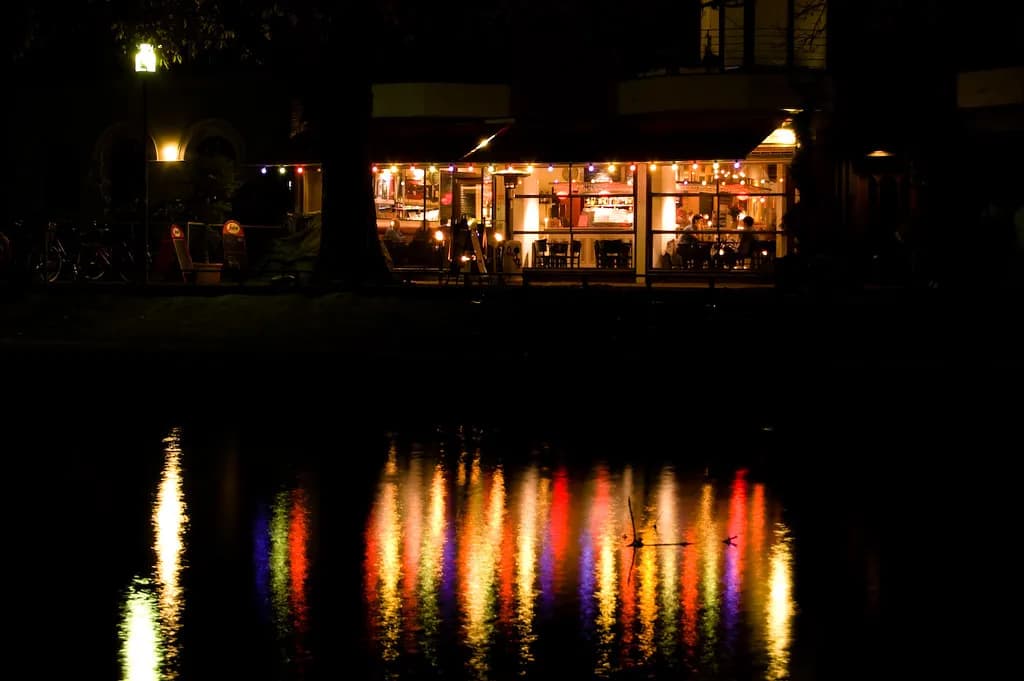
The term "third place" entered popular vocabulary through sociologist Ray Oldenburg, who coined it in 1989 to describe spaces that weren't home or work. A cafe where regulars know your name. A bookstore where you might run into a friend. A club where people gathered without formal membership or obligation. These were the places where community happened naturally, where conversations started over coffee and ended in friendships.
For years, Americans watched their third places disappear. Bookstores closed. Corner cafes got replaced by corporate chains. Neighborhood pubs became sports bars. COVID accelerated the retreat indoors. By 2024, people were asking whether the third place had become obsolete, a relic of a slower era now incompatible with remote work and digital connection.
Instead, something unexpected happened. Starting in 2024 and accelerating through 2025 and into 2026, neighborhoods began reinvesting in third places. Not the old ones, though some came back. But new versions, thoughtfully designed for contemporary life. The third place revival is now undeniable.
Pittsburgh's Bookstore Renaissance
Pittsburgh offers a textbook example of how third places are returning. As Next Pittsburgh documented, bookstores and creative spaces are actively rebuilding community after years of decline. These aren't nostalgia plays. They're strategic investments in spaces where people can gather, connect, and simply exist without the pressure to consume constantly.
The bookstores that survived learned something crucial: people don't come to bookstores just to buy books. They come for seating. They come for wifi. They come because sitting alone in a public space feels different than sitting alone at home. They come because they might run into someone they know. They come because a bookstore is permission to exist in public without being a customer with an obligation to spend money.
What Makes a Third Place Work
Designing a successful third place in 2026 requires careful attention to detail. According to ACTIU's research on 2026 third space trends, successful community spaces balance diverse seating arrangements that accommodate solo laptop workers alongside conversation groups. Natural light matters. So does comfortable furniture and acoustic design that creates atmosphere without being oppressive. Community bulletin boards and local art displays signal that the space belongs to the neighborhood, not to a corporation.
Temperature control, surprisingly, affects how long people stay. A cold cafe drives people out quickly. A warm one invites lingering. The design signals matter too. A third place communicates through its physical environment whether you belong there, whether your presence is welcomed, whether you're expected to perform or permitted to simply exist.
Remote Work Made Third Places Essential
When remote work became mainstream after the pandemic, people discovered something counterintuitive: working from home could be lonely. A coffee shop offered the illusion of community without the obligations of actual socializing. You could sit near other people, overhear conversations, feel connected to human activity without having to participate in it. This created a new category of third place user: the solo worker seeking background humanity.
Cafes adapted quickly. They installed bigger tables to accommodate people with laptops. They improved wifi. They created distinct seating zones for people who came alone to work and people who came to socialize. The best cafes in 2026 accommodate both without forcing them to negotiate space.
Architecture and Community
The connection between built environment and civic participation has become clearer. Virginia Beach's investment in walkable parks and small-scale cafes, and Utah's commitment to human-scale main streets, have both produced measurable increases in civic participation. People who have third places near their homes are more engaged in community life. They vote at higher rates. They know their neighbors. They feel connected to something beyond their immediate household.
This research has reached city planners. Cities are now zoning for third places instead of zoning them away. New development requires mixed-use spaces that include casual gathering spots. The Kirby Laing Centre and similar organizations are publishing explicit guides for designing third spaces that work in contemporary contexts.
The Cafe as Defiant Act
There's something quietly radical about the third place revival. In a world increasingly mediated by screens, a bookstore is an act of defiance against algorithmic recommendations. A cafe is a refusal to have your social interactions filtered through an app. A music venue is a statement that experiencing culture in person still matters.
These spaces aren't arguments against digital connection. They're arguments for a world where digital and analog coexist. Where you can work on your laptop in a cafe but occasionally look up and make eye contact with someone. Where community is both algorithmic and accidental.
The Return of "Going Out"
People talk about "going out" again like it's a surprising phenomenon. After years when home was the only safe place, the simple act of leaving your residence to sit in a public space with other people felt like recovery. The third place revival isn't just about nostalgia for coffee shops. It's about rediscovering that the world is more bearable when we're not facing it alone.
The third place works because it solves a problem that technology cannot solve: the need to feel less alone while maintaining boundaries. You don't have to be friends with everyone in a cafe to benefit from their presence. You don't have to participate in community events to be part of your community. The third place lets you belong without performing belonging.
As more cities invest in third places and more communities reclaim abandoned storefronts for casual gathering, it becomes clear that this revival isn't temporary. We're not going back to the way things were. We're building something new, informed by what we learned during years when the third place seemed unnecessary. Turns out it's just essential in different ways than we thought.
Published in The Outspoken Digest
Editorial desk
Outspoken Digest Culture DeskReports for The Outspoken Digest across Lifestyle, Design, Fashion, Latest Trends.
Newsletter
The Digest, in your inbox
One edition, sent when it is ready. No noise, and your address is never passed on.
Read Next
More Lifestyle →
Andrew Scott's Elsinore Opens the London Film Festival With Tears, an Ovation and a Disco Tribute
Oct 9, 2026/3 min read

Gears of War: E-Day Is Out Today to Strong Reviews, and a Cooler Welcome From Players on Steam
Oct 6, 2026/2 min read

Verity Beat Tom Cruise's Digger at the Box Office, Despite a 34 Percent Score From Critics
Oct 5, 2026/2 min read