Scientists Found a Sleeping Brain's Energy Falls Even as Blood Flow Rises Just Before It Starts to Dream
Blood volume in a mouse's cortex begins climbing about 50 seconds before REM sleep starts, but researchers found neuronal ATP levels then drop sharply, suggesting dreaming may be more energy-intensive than the brain's fuel supply can keep up with.
Sunday, September 27, 2026/2 min read
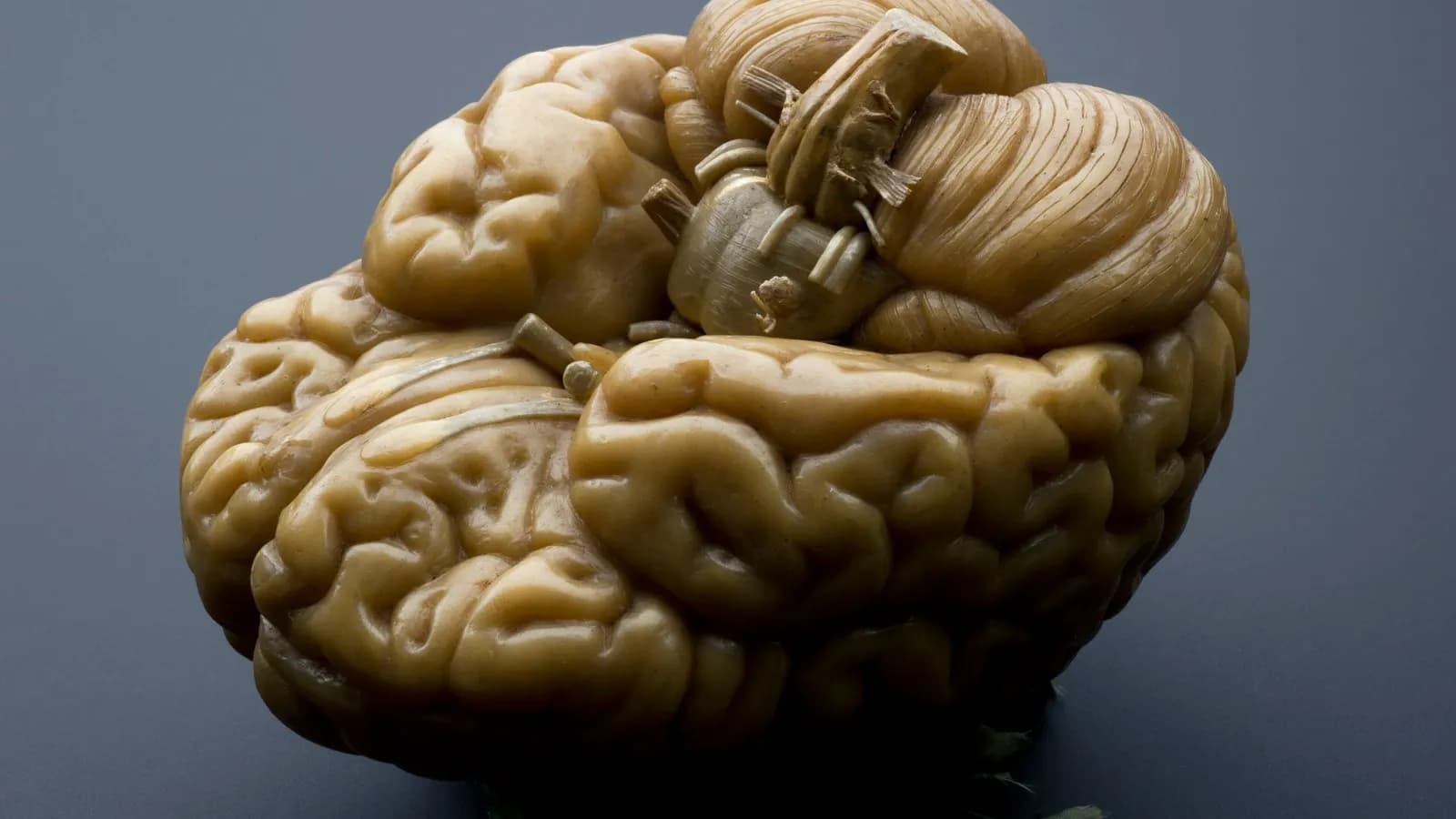
Researchers at Tohoku University have documented what they are calling an energy paradox in REM sleep, the stage of sleep most closely associated with dreaming, after finding that a sleeping mouse's brain begins flooding with blood a full fifty seconds before REM sleep even starts, only for the immediately available energy inside its neurons to then drop sharply once dreaming gets under way. ScienceDaily's report on the findings describes the blood volume surge beginning at the back of the cortex and rolling forward over roughly fifteen seconds, a wave of vascular activity that appears to prepare the brain's fuel supply ahead of the demands REM sleep is about to place on it.
More fuel arriving, less energy available
Despite that early surge in blood supply, the researchers found that levels of ATP, the molecule neurons rely on for immediately usable energy, fell sharply once REM sleep began, even as a related measure of metabolic fuel availability in supporting brain cells called astrocytes actually rose over the same period. The peer-reviewed study, published in Communications Biology, was carried out by Yusuke Takahashi, Yoko Ikoma and Ko Matsui, who used UV-curable resin to keep mouse skulls optically transparent and wide-field fluorescence imaging to track blood volume, neuronal ATP and astrocytic pyruvate in real time as the animals cycled through sleep stages.
Why dreaming might genuinely be exhausting
Professor Matsui, summarising the puzzle the data presented, asked simply: "Ever felt exhausted after a vivid dream?" before noting that "the brain is highly active, especially when dreaming," a framing that treats the ATP drop as evidence that the neural processing behind dreaming consumes energy faster than the brain's freshly delivered blood supply can replenish it. The researchers suggest the shortfall may reflect the intense demands of memory-related synaptic reorganisation and hippocampal-cortical communication that appear to take place during REM sleep, processes thought to be central to how the brain consolidates memories overnight.
A more complicated picture of sleep than expected
The team was also struck by how complex the vascular activity itself turned out to be, with blood volume changes forming spatial waves that shifted direction and reorganised depending on which stage of sleep the animal was in, a level of dynamic detail that earlier, cruder measurement techniques had not been able to capture. The findings add a genuinely new layer to a decades-old puzzle about why REM sleep exists at all, suggesting that whatever dreaming does for the brain, it may come at a real and measurable metabolic cost that outpaces even a well-timed increase in fuel supply.
Published in The Outspoken Digest
Editorial desk
Outspoken Digest Science DeskReports for The Outspoken Digest across Technology, Latest Trends, Health.
Newsletter
The Digest, in your inbox
One edition, sent when it is ready. No noise, and your address is never passed on.
Read Next
More Latest Trends →
Houthi Missile Hits Aramco's Dhahran Headquarters as Saudi Arabia and Yemen's Rebels Trade Strikes
Oct 15, 2026/3 min read

Kimberly Guilfoyle Resigns as US Ambassador to Greece After the White House Asked Her to Go
Oct 15, 2026/2 min read

Two Cargo Ships Sink Near the Strait of Hormuz as Attacks on Shipping Surge
Oct 15, 2026/2 min read

Pope Leo XIV Has Lung Cancer, the Vatican Says, After Surgery to Remove Part of His Right Lung
Oct 15, 2026/2 min read