How to Travel Smarter on Points and Budgets in 2026
Points are getting devalued faster and fares are climbing. Here is how frugal travelers are still booking business class and cheap trips in 2026.
Tuesday, May 19, 2026/3 min read
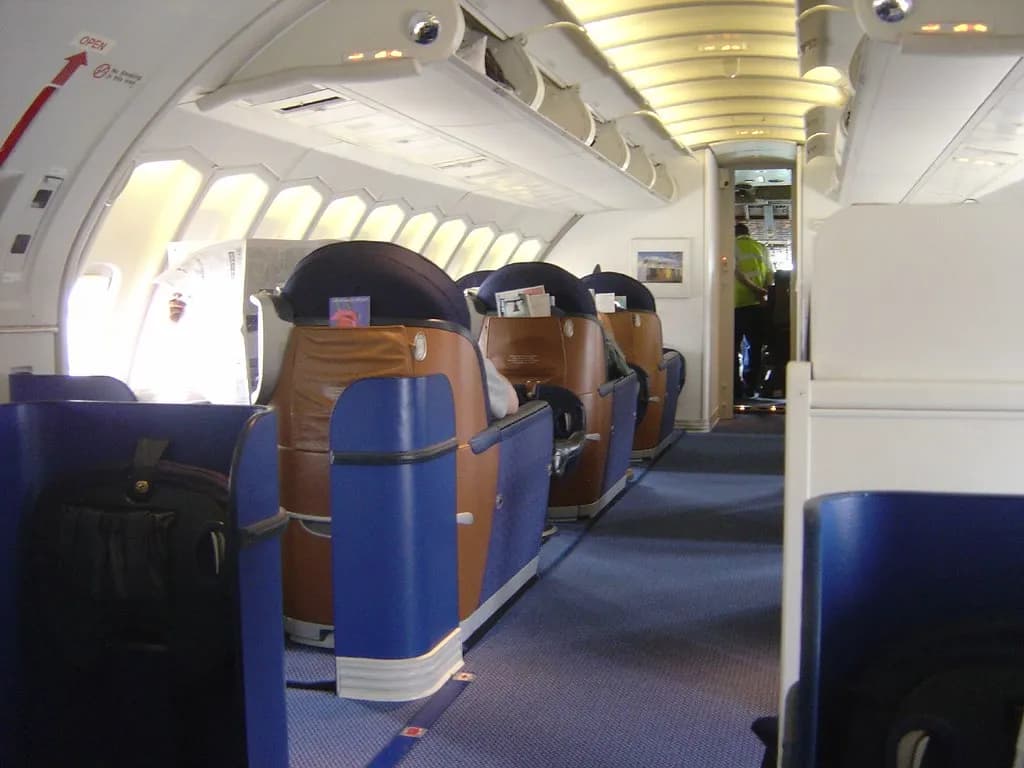
Ask a seasoned points collector what changed this year and you get the same answer: the free lunch got smaller. Airlines and hotel programs have been quietly raising the number of points needed for award seats, and fuel-driven fare increases have made the gap between a paid ticket and a points ticket wider than it has been in years. That does not mean points travel stopped working. It means the people doing it well changed their approach.
The single biggest shift is away from hoarding. Veteran points writers now describe an "earn and burn" strategy as the default, not the exception, because sitting on a six-figure points balance for two years is now a bet that the program devalues before you redeem. Points that expire in value terms, even if they never expire in your account, are not really an asset.
Should you carry one travel card or several
The single do-everything card is losing ground to a deliberate two-card combination: one flexible, transferable-points card (the kind that lets you move balances to airline and hotel partners on demand) paired with a co-branded airline or hotel card for the specific perks that only come with brand loyalty, like free checked bags or elite-night credits. That structure, laid out by The Points Guy's 2026 rankings, gives you flexibility for the big redemption and reliability for the routine trip.
Where the real value is hiding this year
Welcome bonuses remain the fastest way to build a meaningful balance, and points strategists tracking their own accounts describe realistic paths to 500,000-plus points in a single year purely from new-card bonuses and meeting minimum spend, often enough on its own to cover a round-trip business class redemption. The catch is discipline: minimum spend requirements only make sense if they track money you were spending anyway, not purchases made to chase a bonus.
How to stretch a real budget without points at all
Not everyone wants a stack of cards, and the fare math still rewards patience over cleverness. Booking domestic flights five to twelve weeks out and international flights three to six months out remains the sweet spot for price, and midweek departures continue to undercut weekend fares by a real margin, per Going's 2026 booking-window analysis. Combine that timing with flexible date search and the gap between a "budget" trip and a points trip narrows more than either camp likes to admit.
What to watch before a redemption devalues under you
Because programs can and do move the goalposts, the safest posture for 2026 is to redeem within twelve to eighteen months of earning a meaningful balance rather than banking on a someday trip. Set a calendar reminder to check your program's published award chart twice a year; a route that cost 60,000 miles last year can quietly become 75,000 without an announcement anyone notices until they try to book.
Is a general travel card or an airline card the better first move
For most people starting from zero, a flexible transferable-points card is the stronger first move, because it keeps every airline and hotel partner on the table instead of locking you into one carrier's route map and blackout dates before you know your own travel patterns. Add the co-branded card later, once you know which airline you are actually flying enough to justify the loyalty.
The travelers getting the most out of 2026, points or cash, share one habit: they treat every reward program like a currency that can lose value, not a savings account. Earn with intention, spend before the rules change again, and the gap between a budget trip and a business-class one stays smaller than the headlines suggest.
Published in The Outspoken Digest
Editorial desk
Outspoken Digest Travel DeskDestinations, airlines, borders and the practicalities of getting there.
Newsletter
The Digest, in your inbox
One edition, sent when it is ready. No noise, and your address is never passed on.
Read Next
More Travel →

Hurricane Isaias Closes Gulf Coast Airports and Clears Alabama's Beaches as Airlines Waive Change Fees
Oct 8, 2026/3 min read

Oktoberfest 2026 Ended With a Record 7.4 Million Visitors, Beating the Previous High by 200,000
Oct 4, 2026/2 min read

Hawaii's 90-Foot Hōlei Sea Arch, About 550 Years Old, Collapsed Into the Pacific During Storm Nolo
Oct 3, 2026/2 min read