Travelling With Prescription Medicines: The Paperwork, the Packing and the Countries That Say No
A medicine that is routine at home can be controlled, restricted or banned elsewhere. Carry originals, a prescriber's letter and only what you need, and check the destination's rules before you pack.
Sunday, September 20, 2026/3 min read
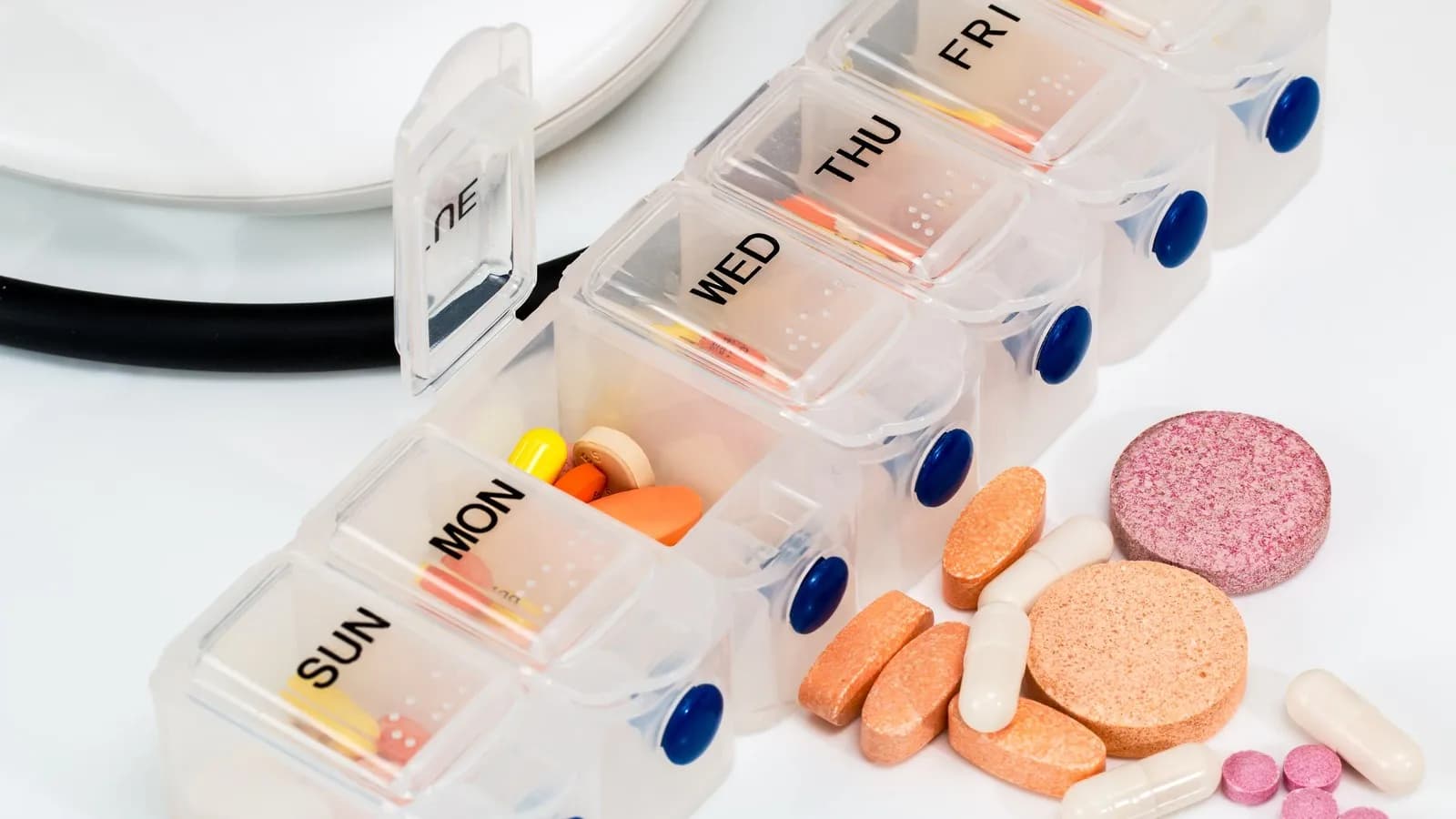
Most travellers pack their medicines without a thought. A few are stopped at a border, and a small number are arrested. The difference is rarely about the medicine being unusual; it is that a drug sold over the counter or prescribed freely in one country is controlled in another. Codeine, tramadol, some sleeping tablets, certain anxiety and ADHD medicines and even some cold remedies containing pseudoephedrine are restricted or banned in various countries. The sensible approach takes an hour before you travel and costs nothing.
Start with the rules at the destination
The authority is the destination's own government, usually through its embassy or health ministry, not your doctor or airline. The International Narcotics Control Board, the UN body that monitors the treaties on controlled substances, publishes guidance for travellers on carrying controlled medicines across borders, and explains that rules differ by country and by drug. Travel health bodies such as TravelHealthPro, run by the UK's National Travel Health Network and Centre, add advice by destination. Check the rules for every country you will pass through as well as the one you will stay in, because a stopover is still a border.
What to carry
- Medicines in their original packaging, with the pharmacy label showing your name, the drug and the dose
- A letter from your prescriber, signed and on headed paper, stating your name, the medicines by generic name, the strength and daily dose, and the condition they treat
- A copy of the prescription
- Only as much as you need for the trip, plus a small margin for delays
The UK's own rules show the typical pattern. For people entering the UK with controlled medicines, GOV.UK's guidance on travelling with controlled drugs asks for a letter showing the traveller's name, the travel dates, the medicines, the quantity, doses and strength, and the prescriber's signature, and caps what you can bring at three months' supply. Many countries follow a similar template, though not all, and the thresholds differ.
How to pack
Keep medicines in your hand luggage, never in the hold, where bags are delayed or lost and where temperatures swing. Split the supply between two bags if you are travelling with someone, so that one lost bag does not leave you without. Keep tablets out of weekly pill organisers for the border, because a loose pile of pills is far harder to explain than a labelled box; decant at the hotel. Liquids above the security limit are normally allowed when medically necessary, but declare them and have the letter ready.
Injectables and cold-chain medicines
Insulin and other injectable medicines need extra planning. Carry a letter that names the needles and syringes, pack a cool bag with ice packs that stay cold for the whole journey, and do not put insulin in the hold, where it can freeze. Time-zone changes mean you should ask your clinician how to adjust timing on long flights. Do not store it in a hot car at the destination.
If the medicine is restricted
Ask your prescriber about an alternative that is legal at the destination, or apply for permission in advance where a system exists. Some countries require prior approval or a permit for particular medicines, and a few require you to carry the original prescription translated or authenticated. Do not post medicines to yourself, since most countries confiscate them. If you cannot take it with you and need it, a local prescription arranged through a doctor at the destination is sometimes possible. Our piece on travel insurance exclusions covers the other paperwork worth finishing before you fly, including how an insurer treats a condition you did not declare.
Published in The Outspoken Digest
Editorial desk
Outspoken Digest Travel DeskDestinations, airlines, borders and the practicalities of getting there.
Newsletter
The Digest, in your inbox
One edition, sent when it is ready. No noise, and your address is never passed on.
Read Next
More Travel →
Western Sydney Airport Opens to Passengers on Sunday: First Flights, Airlines and How to Get There
Oct 22, 2026/2 min read
Alaska and Hawaiian Airlines Will Fly Nonstop From Seattle to Osaka and Tahiti From Spring 2027
Oct 20, 2026/2 min read

Norte Fire Put 16,000 Under Evacuation Orders in San Clemente, and They Are Now Lifted: What Travelers Should Know
Oct 18, 2026/2 min read

Tropical Storm Trudy Is Forecast to Become a Major Hurricane as It Nears Mexico's Pacific Coast
Oct 15, 2026/2 min read