Trump Declares a Russia-Ukraine 'Energy Ceasefire' and Moscow Keeps Hitting Ukraine's Power Plants, Zelenskyy Says
The announcement came two days after Washington eased sanctions on Russian diesel, and by Monday Kyiv said it had learned of the truce from the news while its energy sites were still under attack.
Tuesday, October 13, 2026/2 min read
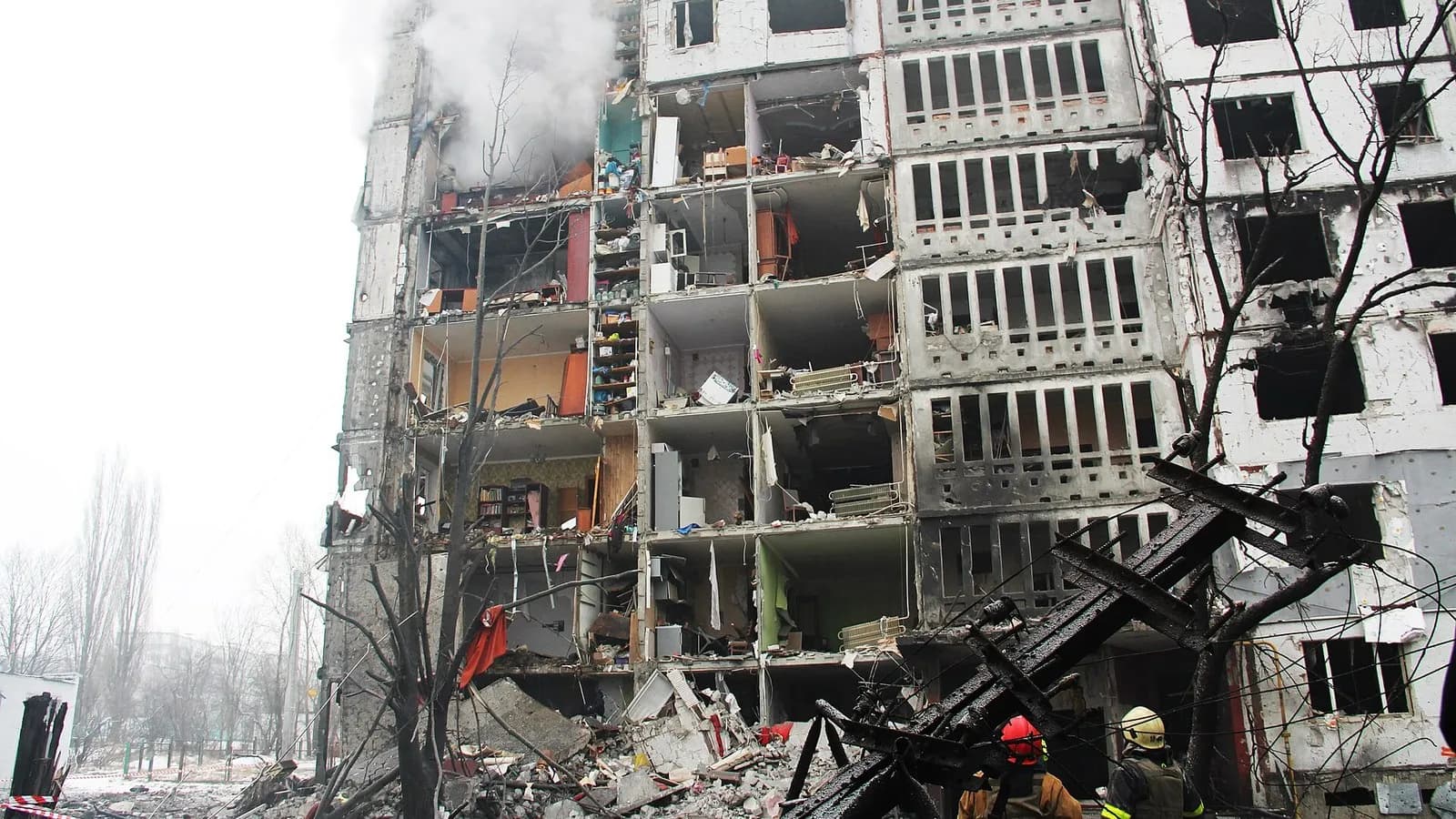
A ceasefire announced on social media is only as good as the second party's willingness to read it. On Sunday President Donald Trump said Russia and Ukraine had agreed to stop striking each other's energy infrastructure, effective immediately. On Monday Volodymyr Zelenskyy told a security forum in Warsaw that Russia had hit several energy sites in the meantime.
Trump's post gave few details and warned both sides not to break the truce, PBS reported. He made a similar claim on 14 September that did not hold.
What did Zelenskyy say about the energy ceasefire?
Zelenskyy said Ukraine had learned of the arrangement through media reports and would pause its strikes on energy sites if Moscow did the same. He said Ukraine was surprised that Russia hit a power plant in Kharkiv, a gas production facility and a civilian petrol station soon after the announcement. Al Jazeera added that overnight attacks damaged Naftogaz gas facilities in the Kharkiv region.
He also said Ukraine is ready to stop hitting Russian refineries if Russia stops attacking its grid, and warned that Kyiv will respond if no winter energy truce takes hold. Kyiv had already floated that idea; we covered his offer of an energy ceasefire at the UN in September.
The political backdrop is awkward. On Saturday Trump suggested Ukraine needs a new president, a remark that EU foreign policy chief Kaja Kallas rejected, saying elections are not appropriate without a ceasefire. Zelenskyy said elections are impossible in wartime but could be considered after a full ceasefire of at least 60 days.
On the ground, PBS said a Russian drone attack on the village of Pisochyn in Kharkiv district on Sunday evening killed three people and injured nine, including children.
What does the Kremlin say?
Kremlin spokesman Dmitry Peskov would not say whether Russia had agreed, only that contacts were continuing. He rejected Zelenskyy's call for a 60-day truce to allow elections, saying Kyiv wanted time to regroup. European leaders were blunt. French President Emmanuel Macron said he had seen no sign of an energy ceasefire from Russia in 48 hours, and Polish Prime Minister Donald Tusk said Moscow wanted neither a ceasefire nor peace. The EU added almost 1,600 names to its Russia sanctions list.
Why did the US ease sanctions on Russian diesel?
On Friday Trump announced that Vladimir Putin had agreed to release 300,000 tons of diesel at once, 500,000 tons in November, 1 million in December and up to 3 million more depending on the state of Russia's refineries, CBS News reported. The Treasury temporarily waived sanctions on Russian energy to allow it. AAA put the US average diesel price at $6.28 a gallon, against $3.68 a year ago.
Six senators, four of them Republican, urged Trump on Sunday to reverse the diesel deal. Whether the energy truce gets written down, with monitoring and a start date, will decide if it is a policy or a post.
Published in The Outspoken Digest
Editorial desk
Outspoken Digest News DeskReports for The Outspoken Digest across Latest Trends, Sports, Nutrition, Crypto.
Newsletter
The Digest, in your inbox
One edition, sent when it is ready. No noise, and your address is never passed on.
Read Next
More Latest Trends →
Federal Agents Search Rep. Ilhan Omar's Washington Home Three Weeks Before the Midterms, and She Calls It Intimidation
Oct 13, 2026/2 min read
Iran Calls the US Reply on Hormuz 'Inadequate' as Two Indian Seafarers Go Missing After a Tanker Is Hit Off Oman
Oct 13, 2026/2 min read
Saudi Arabia Vows a Serious Response After a Houthi Missile Killed 13 at Riyadh Airport as Trump Weighs Joining
Oct 13, 2026/2 min read
EU Sanctions Almost 1,600 Russian People and Firms in Its Biggest Single Listing Since the Invasion
Oct 12, 2026/2 min read