Trump Rejected Iran's Seven Day Plan to Reopen the Strait of Hormuz, Calling It Unacceptable
Iran's foreign minister offered to have the strait open within a week if Washington lifted its naval blockade, released frozen funds and ended oil sanctions, but Trump said the proposal mirrored a deal Tehran had already broken.
Sunday, September 27, 2026/2 min read
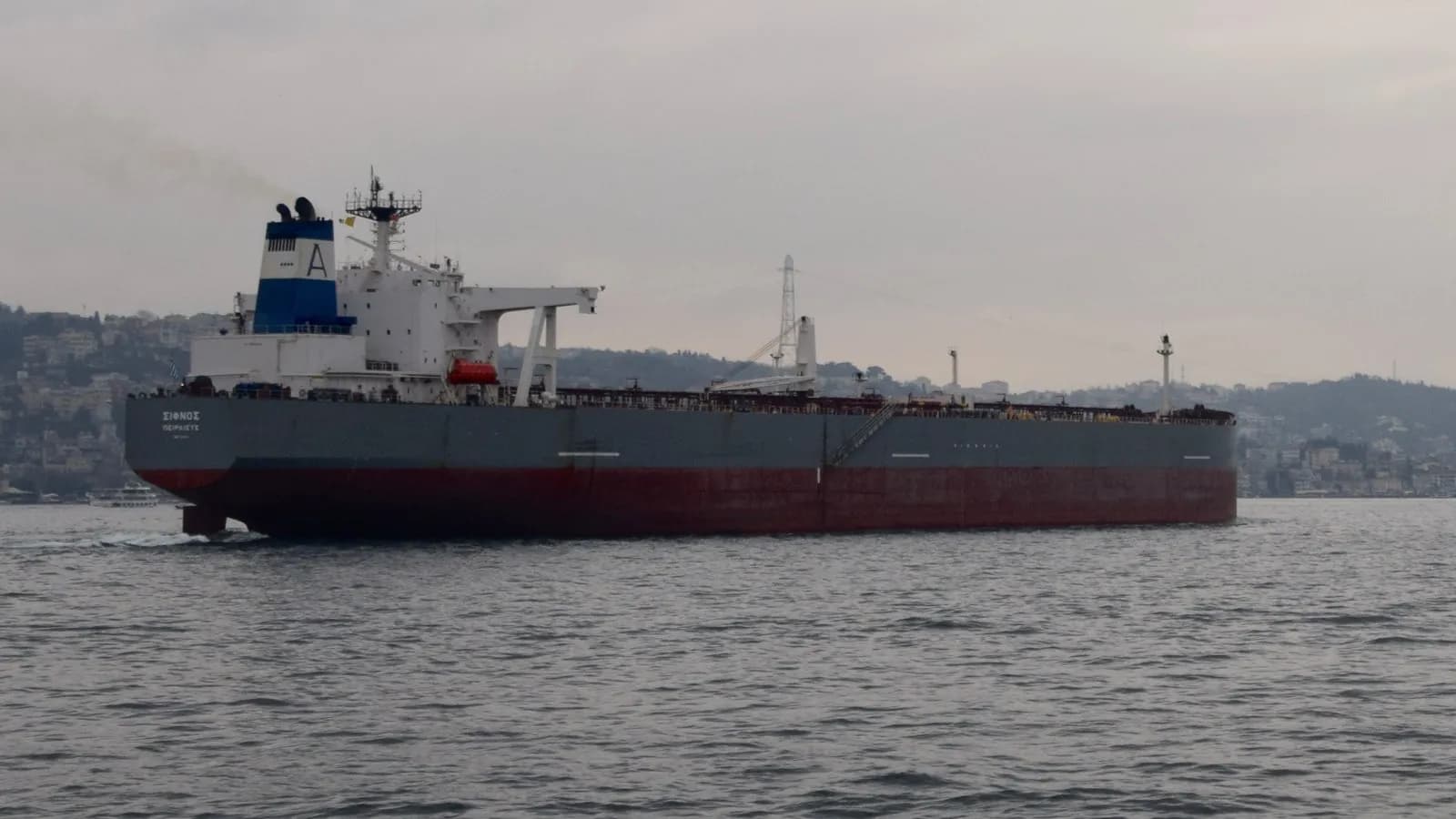
President Trump rejected on Saturday the seven day roadmap that Iran's foreign minister had put forward days earlier to reopen the Strait of Hormuz, telling reporters the offer "would not be acceptable" even as he insisted Tehran wanted a deal because "they are losing so badly." Al Jazeera's report on the rejection places the decision at the end of a week in which the two sides traded proposals through intermediaries on the sidelines of the United Nations General Assembly without ever sitting down together directly.
What Iran was offering
Iran's Foreign Minister Abbas Araghchi told the General Assembly that the strait, closed since Iranian forces shut it down in February following US and Israeli strikes on Iranian nuclear sites, could reopen to normal shipping within four to five days once Washington met a set of conditions: lifting the American naval blockade on Iranian ports, releasing frozen Iranian assets, ending oil sanctions and beginning formal negotiations by the seventh day. NPR's coverage of the exchange quotes Trump's fuller response: "They want to make a deal, and I think that's fine... But the proposal put forth by Iran would not be acceptable."
A plan both sides have seen before
Regional analysts quoted in the reporting on the rejection noted that Araghchi's proposal closely tracked the terms of a memorandum of understanding that collapsed in June, a similarity that led some to conclude Iran anticipated the rejection and was using the offer to demonstrate flexibility to the wider UN audience rather than to strike an actual deal. Araghchi responded to Trump's comments by saying on Telegram that Iran "will not back down" on its conditions, adding that while the American president had made his position known publicly, nothing had yet been conveyed formally through the mediators handling the talks, chiefly Qatar.
Where that leaves the strait
Iranian President Masoud Pezeshkian struck a similarly distrustful note in his own General Assembly remarks this week, saying "we have no trust in the American side," language that underscores how far apart the two governments remain on the sequencing of any de-escalation. With the strait still closed to normal transits seven months on, and neither side willing to move first, the exchange leaves the immediate prospect of reopening exactly where it has sat for weeks: a plan on the table, and no agreement to start acting on it.
Published in The Outspoken Digest
Editorial desk
Outspoken Digest News DeskReports for The Outspoken Digest across Latest Trends, Sports, Nutrition, Crypto.
Newsletter
The Digest, in your inbox
One edition, sent when it is ready. No noise, and your address is never passed on.
Read Next
More Latest Trends →
Houthi Missile Hits Aramco's Dhahran Headquarters as Saudi Arabia and Yemen's Rebels Trade Strikes
Oct 15, 2026/3 min read

Kimberly Guilfoyle Resigns as US Ambassador to Greece After the White House Asked Her to Go
Oct 15, 2026/2 min read
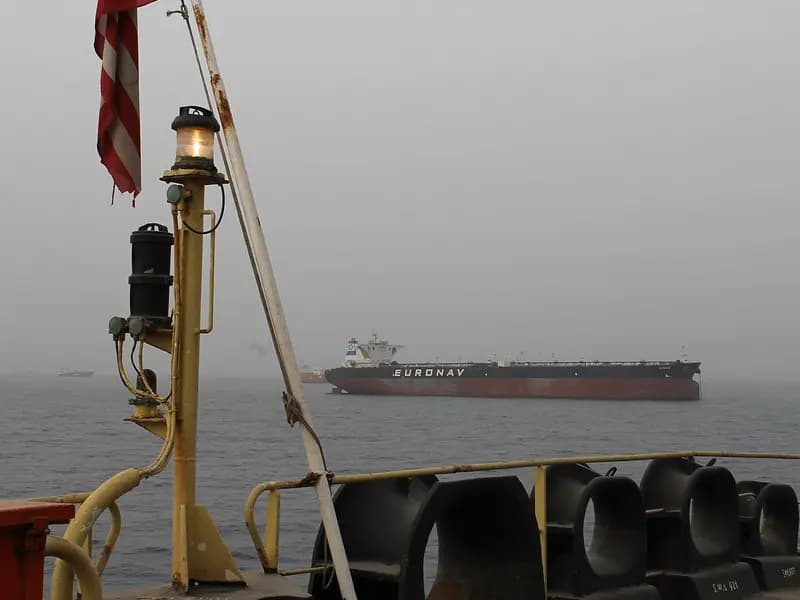
Two Cargo Ships Sink Near the Strait of Hormuz as Attacks on Shipping Surge
Oct 15, 2026/2 min read
Pope Leo XIV Has Lung Cancer, the Vatican Says, After Surgery to Remove Part of His Right Lung
Oct 15, 2026/2 min read