Bulgaria Brought Tsar Samuel Home After a Thousand Years, Sending 48 Relics Back to Greece in Exchange
Greece handed over the remains of the 11th-century ruler on Saturday, and Sofia received them with a state ceremony, fighter jet escort and a 21-gun salute, in a swap for objects taken during the First World War.
Saturday, October 3, 2026/2 min read
The remains of Tsar Samuel, who ruled the First Bulgarian Empire from 997 until 1014, were handed by Greece to Bulgaria on Saturday 3 October in a ceremony at the Museum of Byzantine Culture in Thessaloniki. According to Bulgarian National Radio, Greek Prime Minister Kyriakos Mitsotakis and Bulgarian Prime Minister Rumen Radev attended, and the two culture ministers, Lina Mendoni and Evtim Miloshev, signed the handover documents.
The handover in Thessaloniki
The remains are not the only thing that crossed the border. Bulgaria also received remains from two further sarcophagi found in the same church, believed to belong to Tsar Gavril Radomir and other members of the royal family. In return, Bulgaria handed 48 church objects to Greece, taken to Sofia during the First World War.
Radev said Bulgaria's efforts to have the remains returned date back to the 1960s, and that "today we are fulfilling the moral legacy." Mitsotakis said that "cultural diplomacy shows that it works quietly, yet very effectively."
How they came to be in Greece
The tomb was found on the island of St Achilleios in Lesser Prespa Lake, close to the Greek-Albanian border. The Greek archaeologist Nikolaos Moutsopoulos excavated it in the 1960s and preserved the remains privately before they passed to the University of Thessaloniki and then to the museum. Samuel's power base lay around the Prespa and Ohrid region, and the identification of the remains rests on the tomb's location, the richness of the burial garments, the age of the man and an old fracture.
The ceremony in Sofia
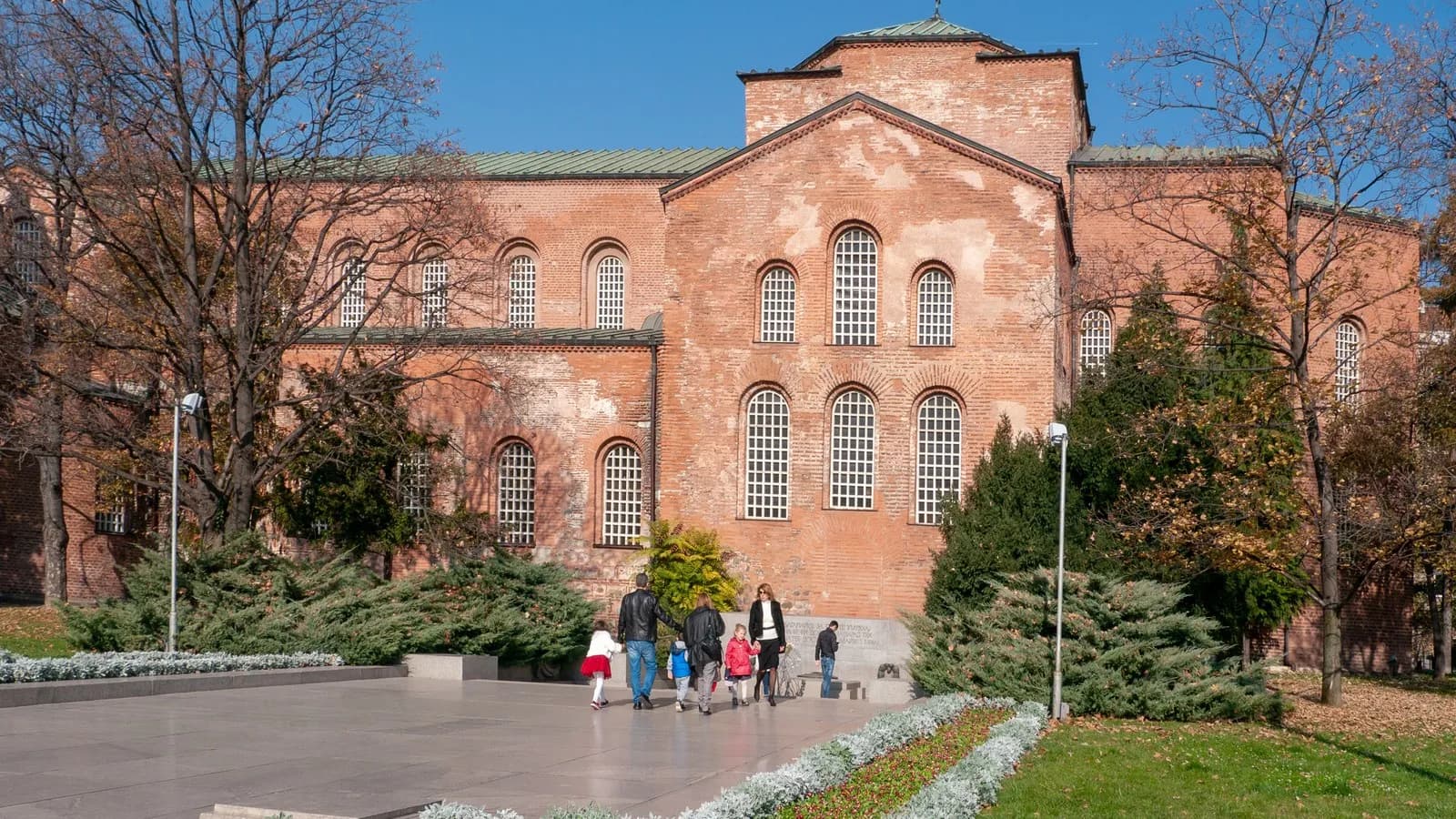
The scene in the Bulgarian capital was a state occasion. Novinite says the aircraft carrying the remains landed at Vasil Levski Airport at 1pm, escorted by MiG-29 and F-16 fighters, and that a procession set out from Knyaz Alexander I Square to the Basilica of St Sophia, with a guard of honour, a military band and 21 artillery salutes. Prime Minister Radev, three former presidents, Patriarch Daniil and the mayor of Sofia were among those present, along with thousands of citizens.
A custom marble sarcophagus weighing about 2.5 tons awaited him, decorated with a Christogram, the Archangel Michael, Samuel's fortress, lions, peacocks and a palace. Radev said: "Our tsar died at the sight of his blinded soldiers. What greater nobility is there than that, a ruler's heart torn apart by the suffering of his subjects?" Iliana Yotova said she was sure Samuel "is at peace now, because he is in Bulgaria." The church stayed open afterwards so the public could pay respects.
Why it matters
Samuel is remembered for holding off the Byzantine Empire for decades, and tradition says he died after seeing thousands of his captured soldiers blinded following a defeat in 1014. The agreement is also a modest piece of diplomacy between two neighbours: objects flowed in both directions, and each government could present it as a repatriation. Heritage disputes between states rarely end this neatly.
Published in The Outspoken Digest
Editorial desk
Outspoken Digest Culture DeskReports for The Outspoken Digest across Lifestyle, Design, Fashion, Latest Trends.
Newsletter
The Digest, in your inbox
One edition, sent when it is ready. No noise, and your address is never passed on.
Read Next
More Lifestyle →
Street Fighter Wins the Weekend With $31 Million, but an Elizabeth Holmes Documentary Opens to $15 Million
Oct 19, 2026/2 min read

Street Fighter Opens With $4 Million in Thursday Previews as Critics Split on the Video Game Reboot
Oct 16, 2026/2 min read
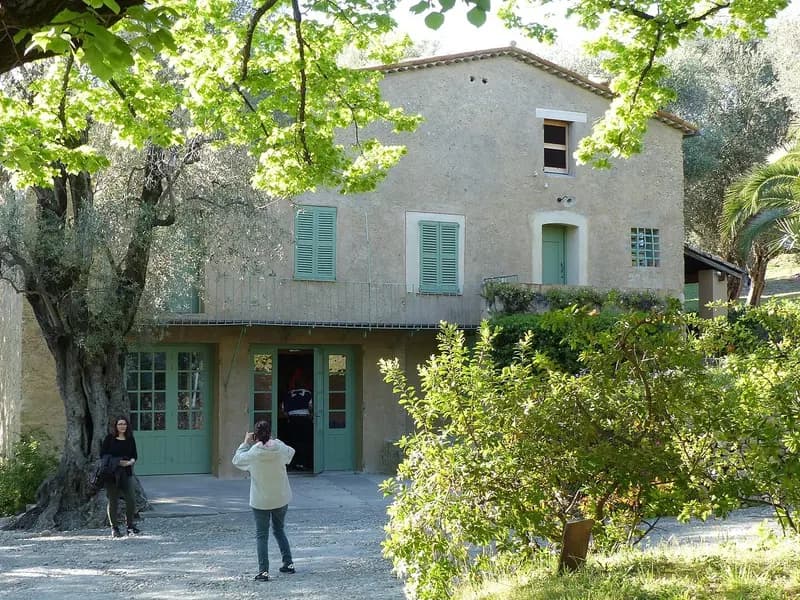
Two Stolen Renoirs Found Behind a Cinder-Block Wall as Police Say Suspects Eyed the Fondation Maeght
Oct 15, 2026/2 min read
Hulu Orders Ryan Coogler's X-Files Reboot to Series With Danielle Deadwyler and Himesh Patel
Oct 14, 2026/2 min read