Older Adults Who Ate Four or More Ultra-Processed Servings a Day Had More Depressive Symptoms
A Deakin-led study of 7,220 people aged 70 and over links heavy ultra-processed intake to 12 percent higher depressive symptoms, and an anti-inflammatory diet to 7 percent lower.
Outspoken Digest Nutrition Desk
Thursday, October 22, 2026/2 min read
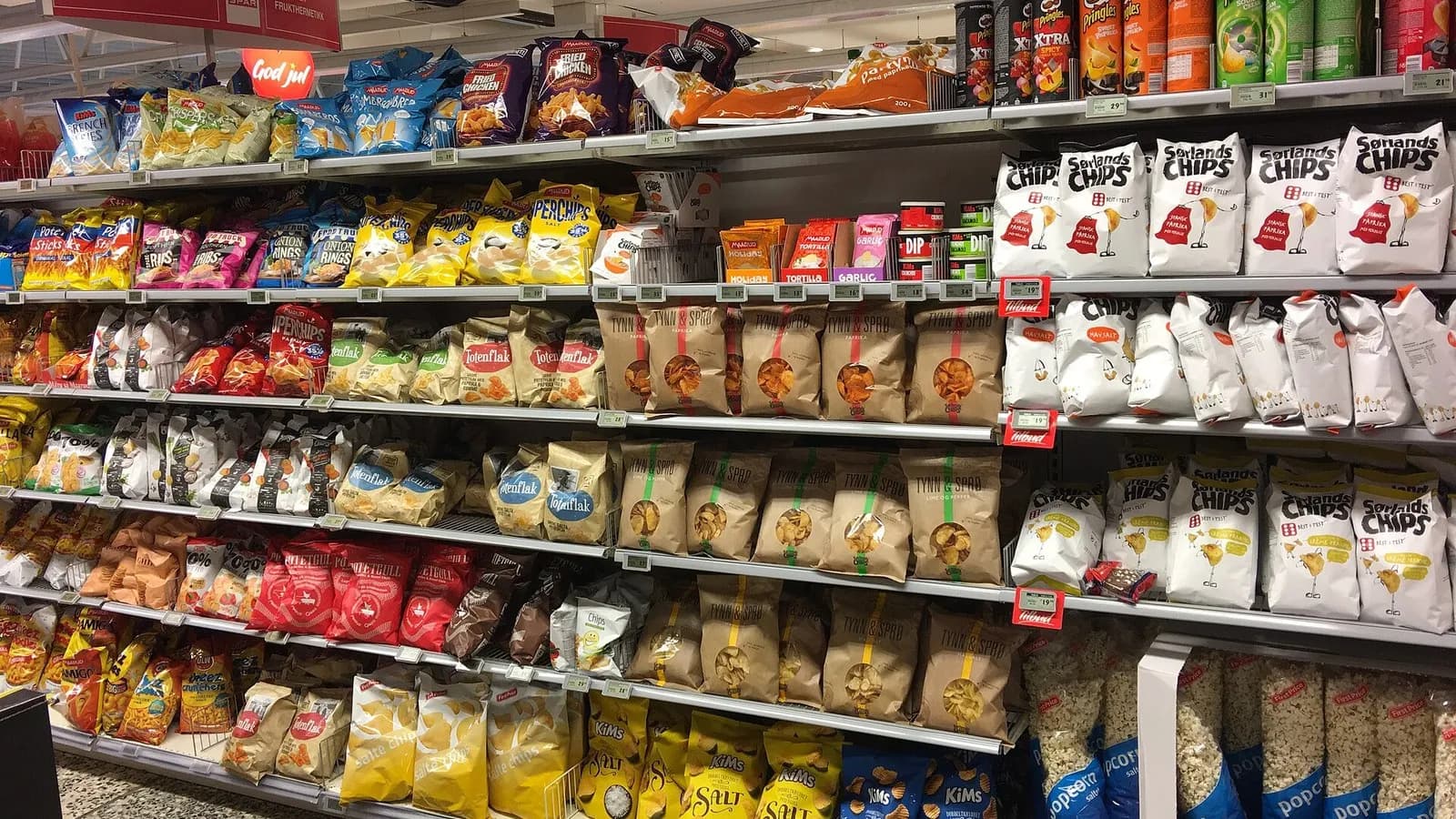
What older people eat may be tied to how they feel, according to a new study from Australia. A Deakin University team found that people over 70 who ate four or more servings of ultra-processed food a day had more depressive symptoms than those who ate fewer.
The study followed 7,220 adults aged 70 or older for a median of 5.7 years, according to Medical Xpress. It was published in Molecular Psychiatry, and the report is dated 21 October.
What did the study find?
Eating four or more servings of ultra-processed food a day was linked to a 12 percent higher rate of depressive symptoms than eating fewer than four. A more anti-inflammatory diet, built around fruit, vegetables, legumes, whole grains, fish and olive oil, was linked to a 7 percent lower rate than a pro-inflammatory one.
The benefit appeared regardless of a person's genetic predisposition to depression and regardless of low-grade inflammation, the report says. The team used a design called target trial emulation, which tries to mimic a randomised trial using observational data.
Is this the first result of its kind?
No. The same group published related work in BMC Medicine in March 2025. In that analysis of 11,192 older Australians, four or more daily servings of ultra-processed food carried a risk ratio of 1.10 for depressive symptoms, with a confidence interval of 1.04 to 1.18. The result held after excluding people taking antidepressants or antipsychotics.
The consistency across two analyses is useful, but they come from related groups and are not independent confirmation.
What are the limits?
This is an association, not proof that food causes depression. People with low mood may also eat differently, and the 2025 authors listed other limits: self-reported diet, a single baseline measurement, possible misclassification of foods and unmeasured confounding. Their depression measure was a screening scale, not a clinical diagnosis. They called for randomised dietary trials to test the link.
The Medical Xpress report does not name the cohort, give confidence intervals or discuss limitations, so details of the new paper should be read in the paper itself.
What does this mean for how older people eat?
Senior author Mohammadreza Mohebbi said diet is a modifiable lifestyle factor, and that the findings could inform dietary guidelines, mental health care and public health policy. Lead author Belayneh Mengist Miteku pointed to healthy ageing as a pressing issue.
This is reporting, not medical advice. Low mood in later life deserves proper assessment, and any change to the diet of an older person, especially one with a medical condition, a low appetite or unplanned weight loss, belongs with a clinician or dietitian who knows their history. Food is not a substitute for treatment.
The test of the finding will be a randomised trial that changes what older adults eat and tracks their mood over time.
Published in The Outspoken Digest
Editorial desk
Outspoken Digest Nutrition DeskDiet, food science and the evidence behind claims about what we eat.
Newsletter
The Digest, in your inbox
One edition, sent when it is ready. No noise, and your address is never passed on.
Read Next
More Nutrition →
Each Extra Daily Serving of Fruit Was Linked to 13 Percent Lower Risk of Teen Depression Symptoms
Oct 21, 2026/2 min read
Small Pilot Trial Finds Meals or an App Slowed Weight Regain After People Stopped GLP-1 Drugs
Oct 15, 2026/2 min read
Potassium-Rich DASH Diet Did Not Raise Blood Potassium to Unsafe Levels in Adults on Blood Pressure Drugs
Oct 13, 2026/2 min read

Matched for Calories and Macronutrients, an Ultra-Processed Meal Still Drew a Bigger Insulin Response in a Small Trial
Oct 9, 2026/3 min read